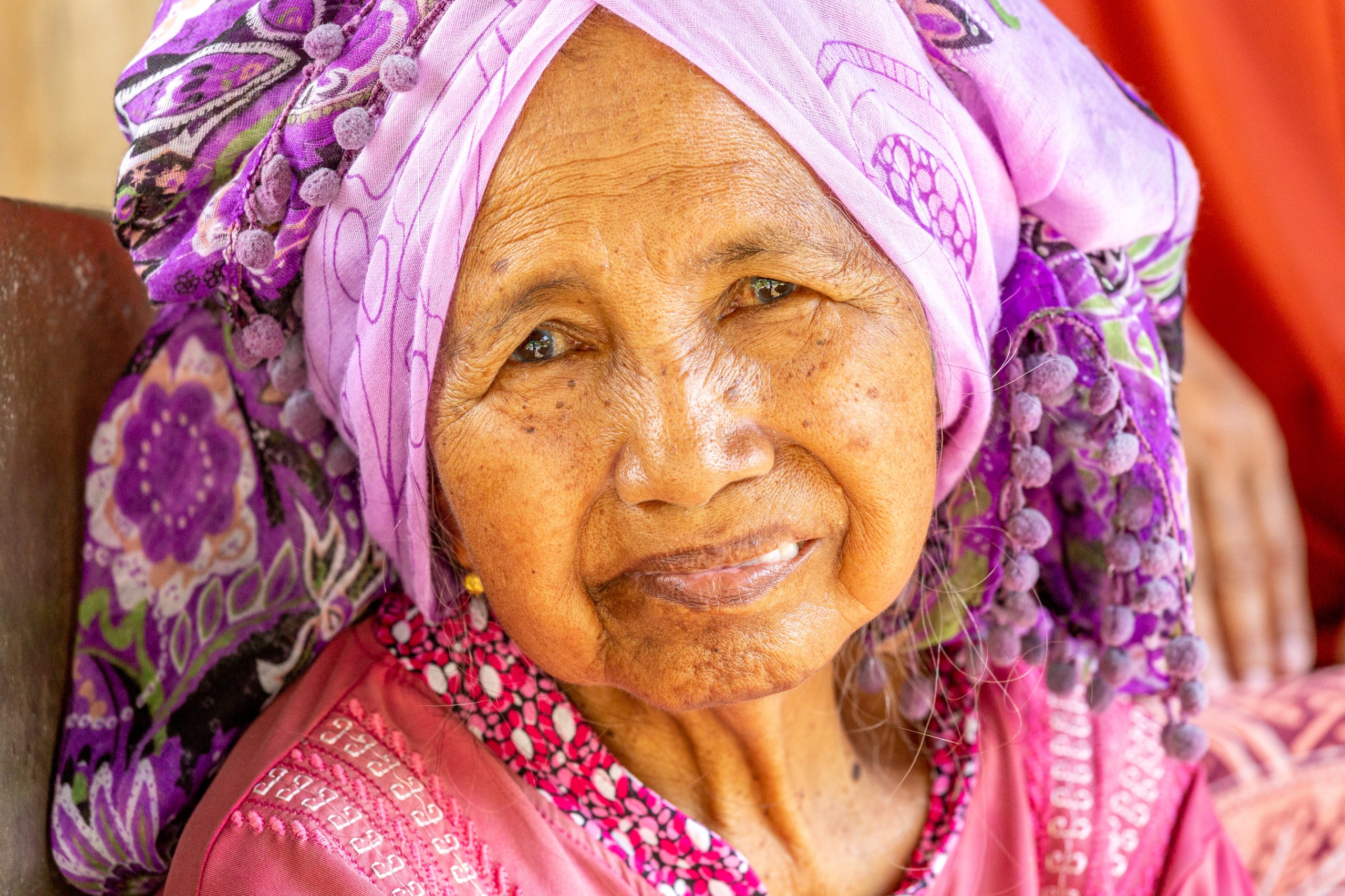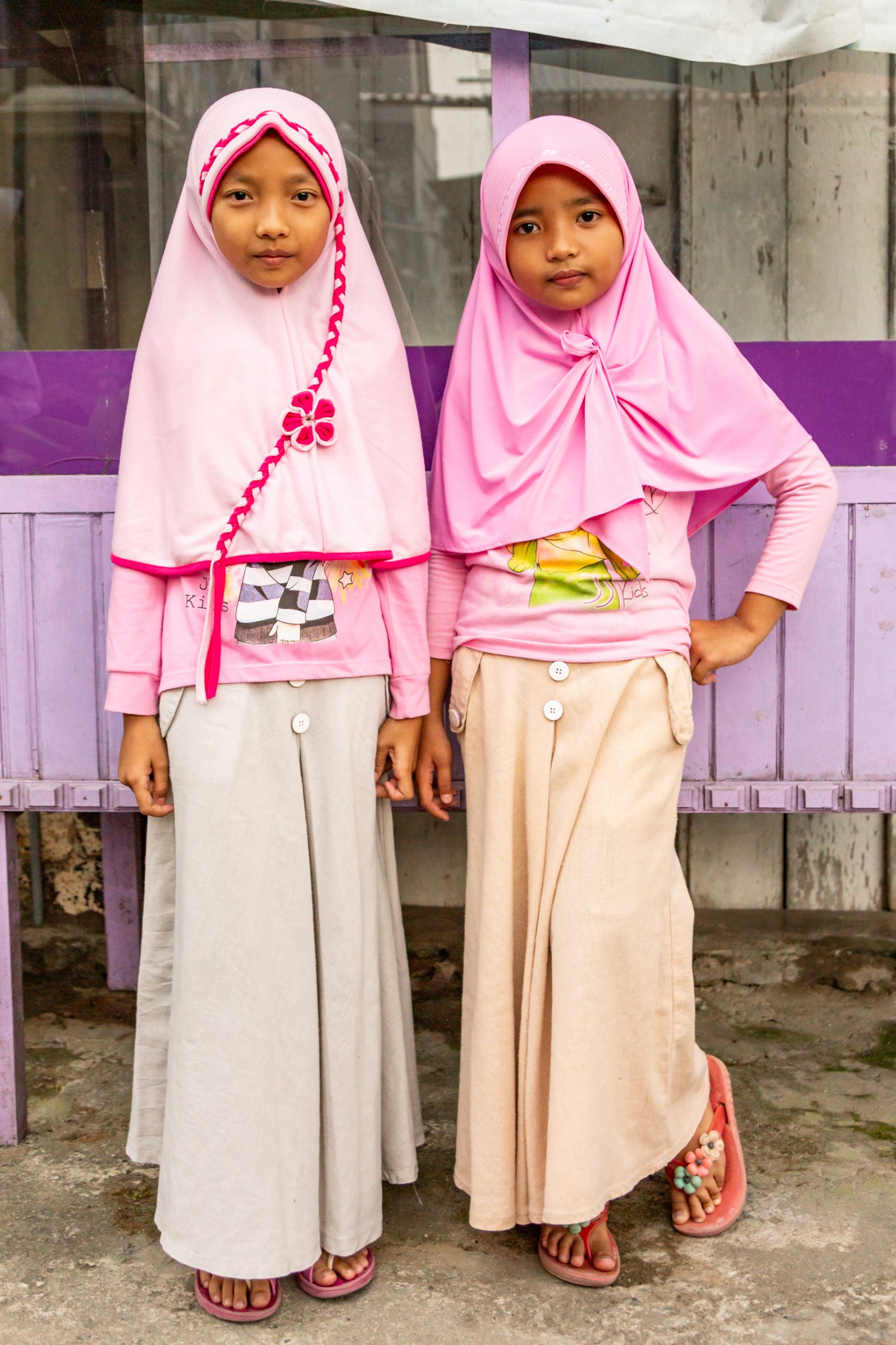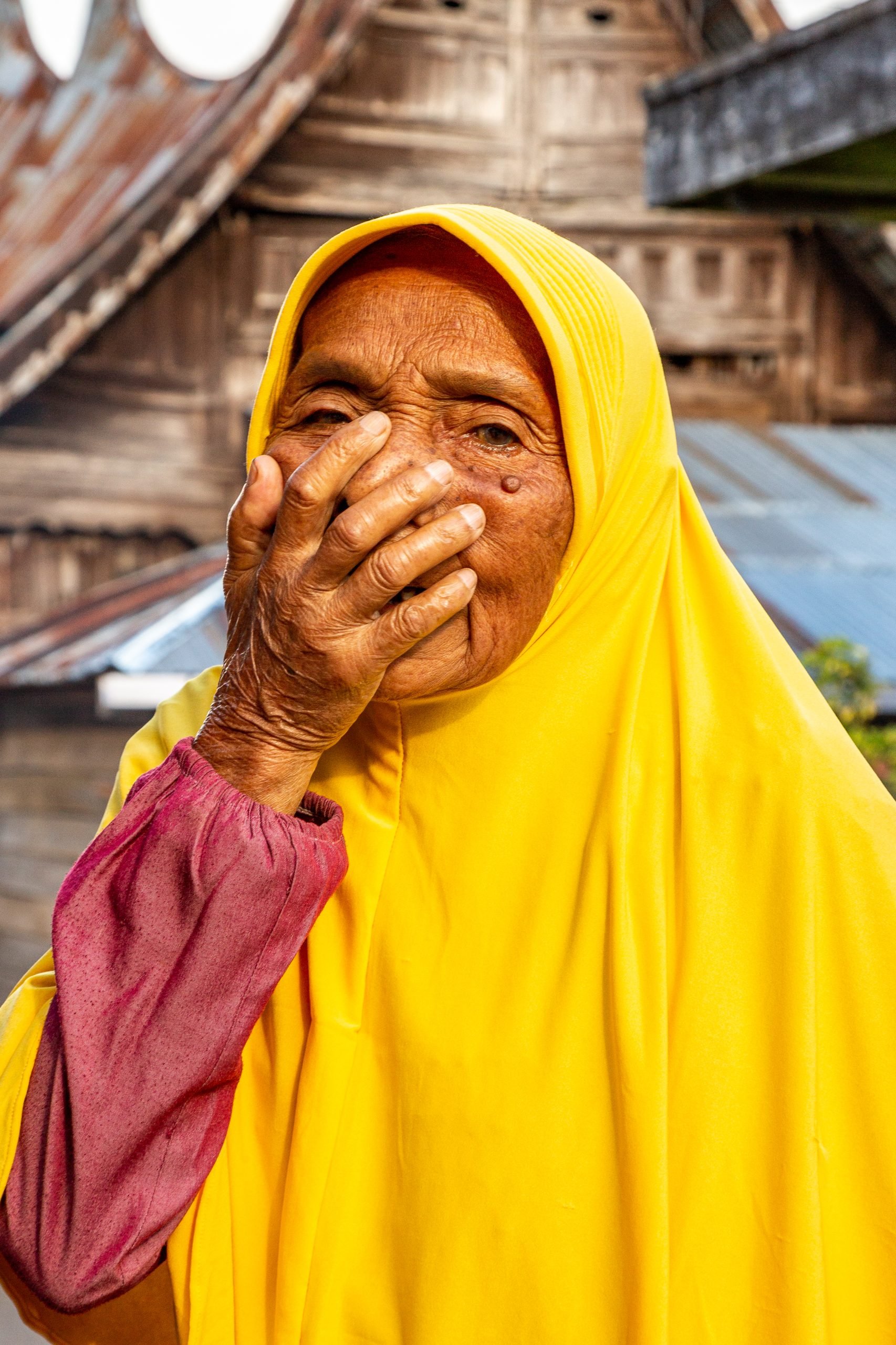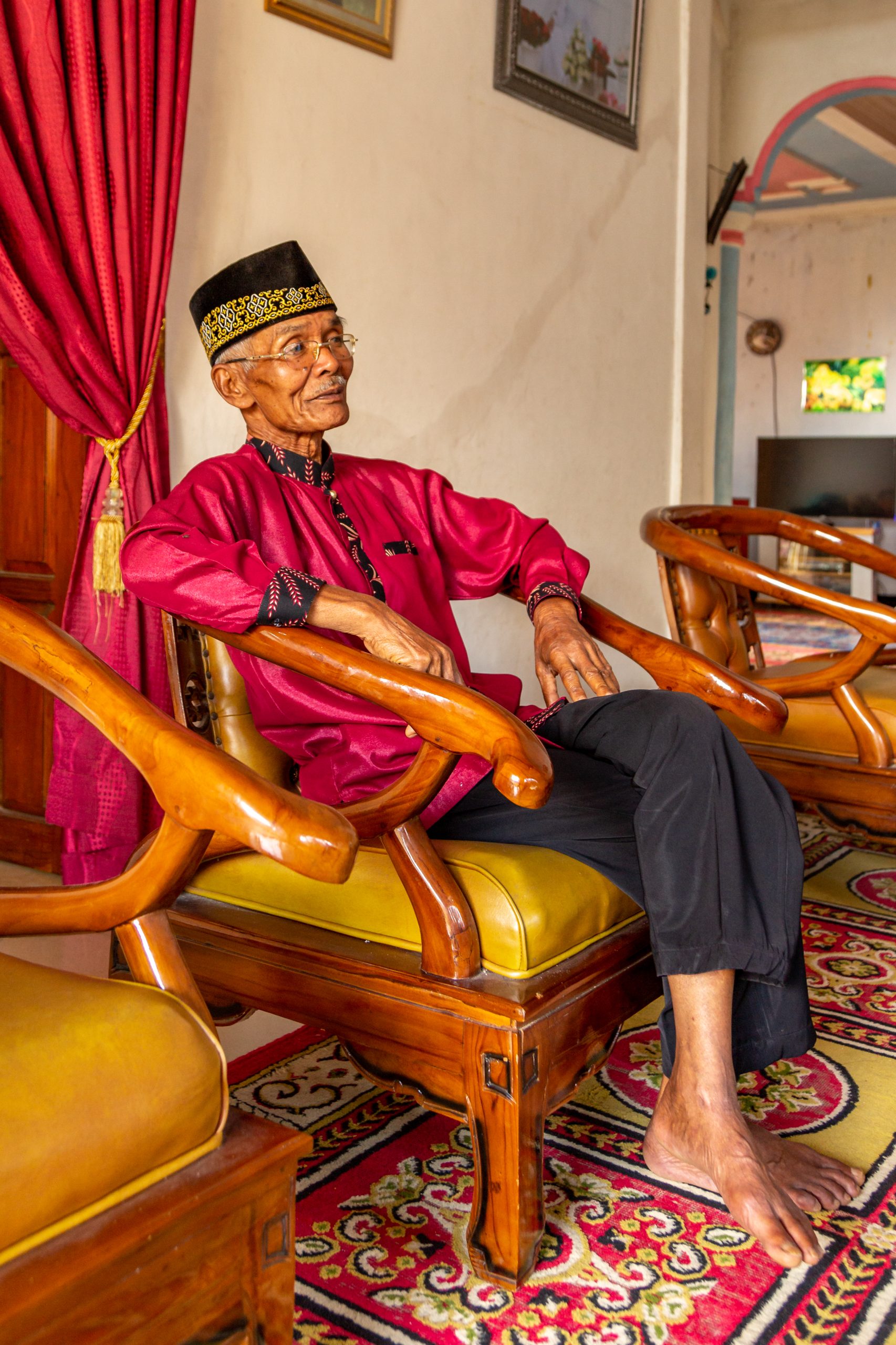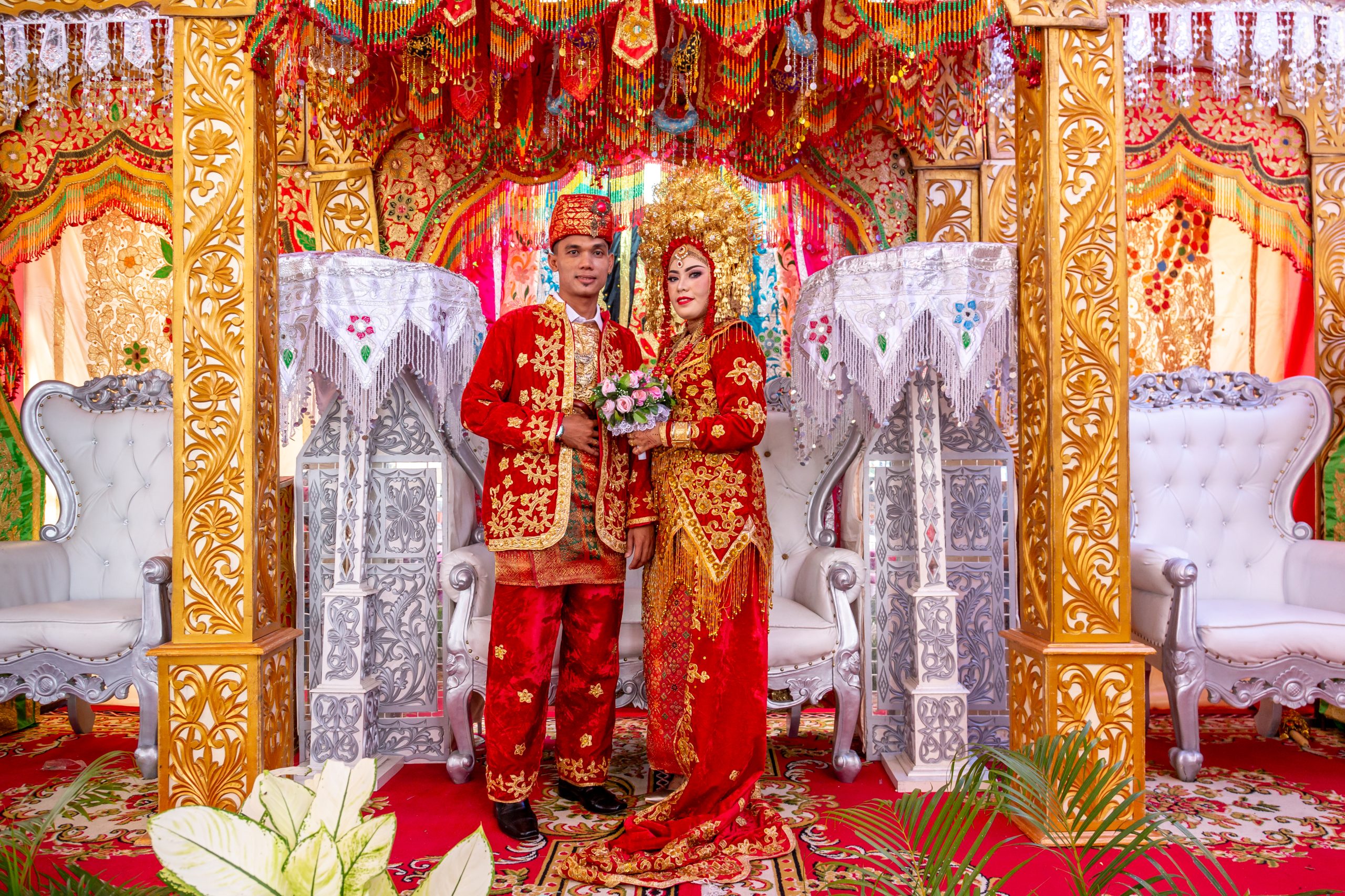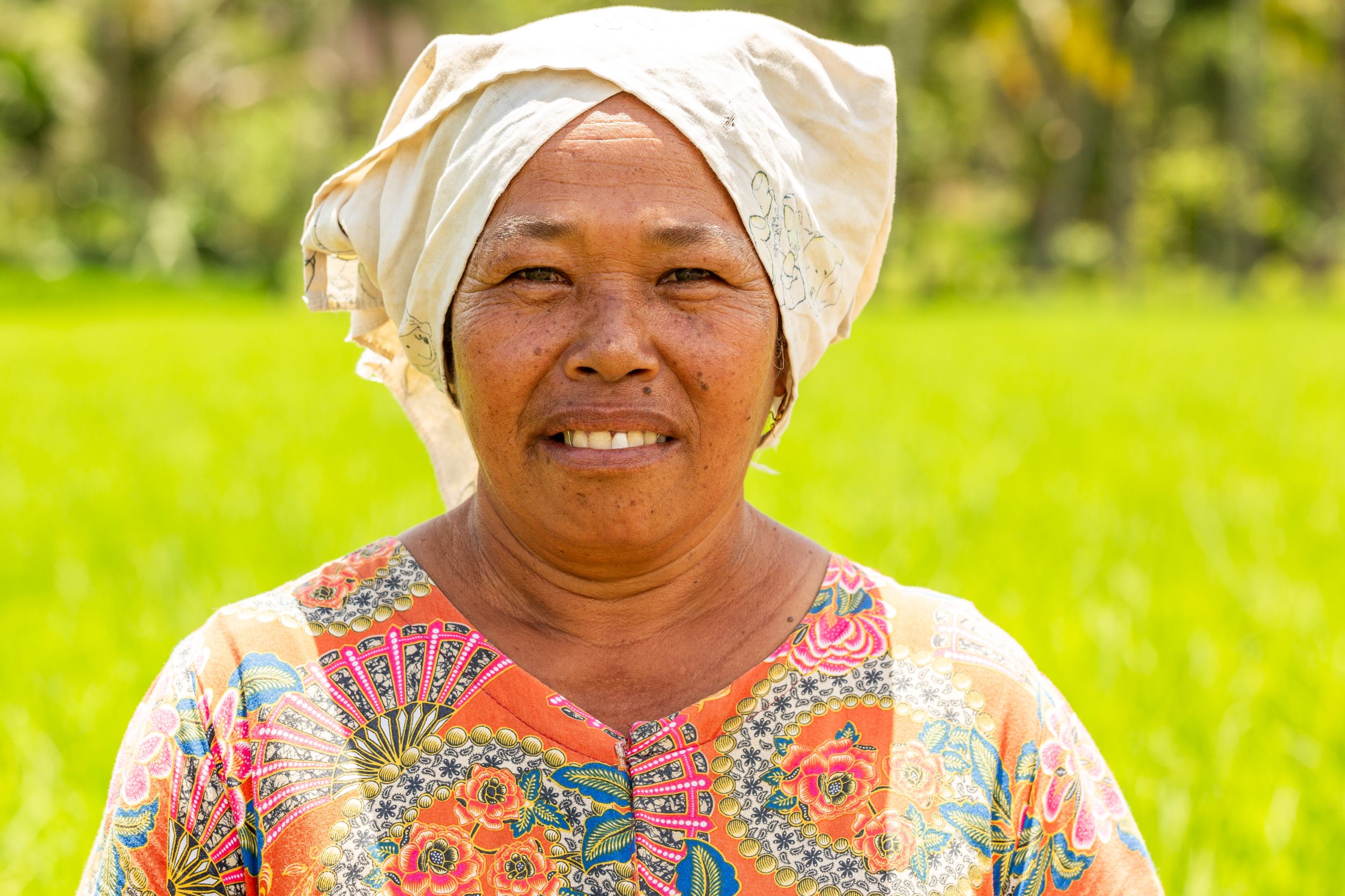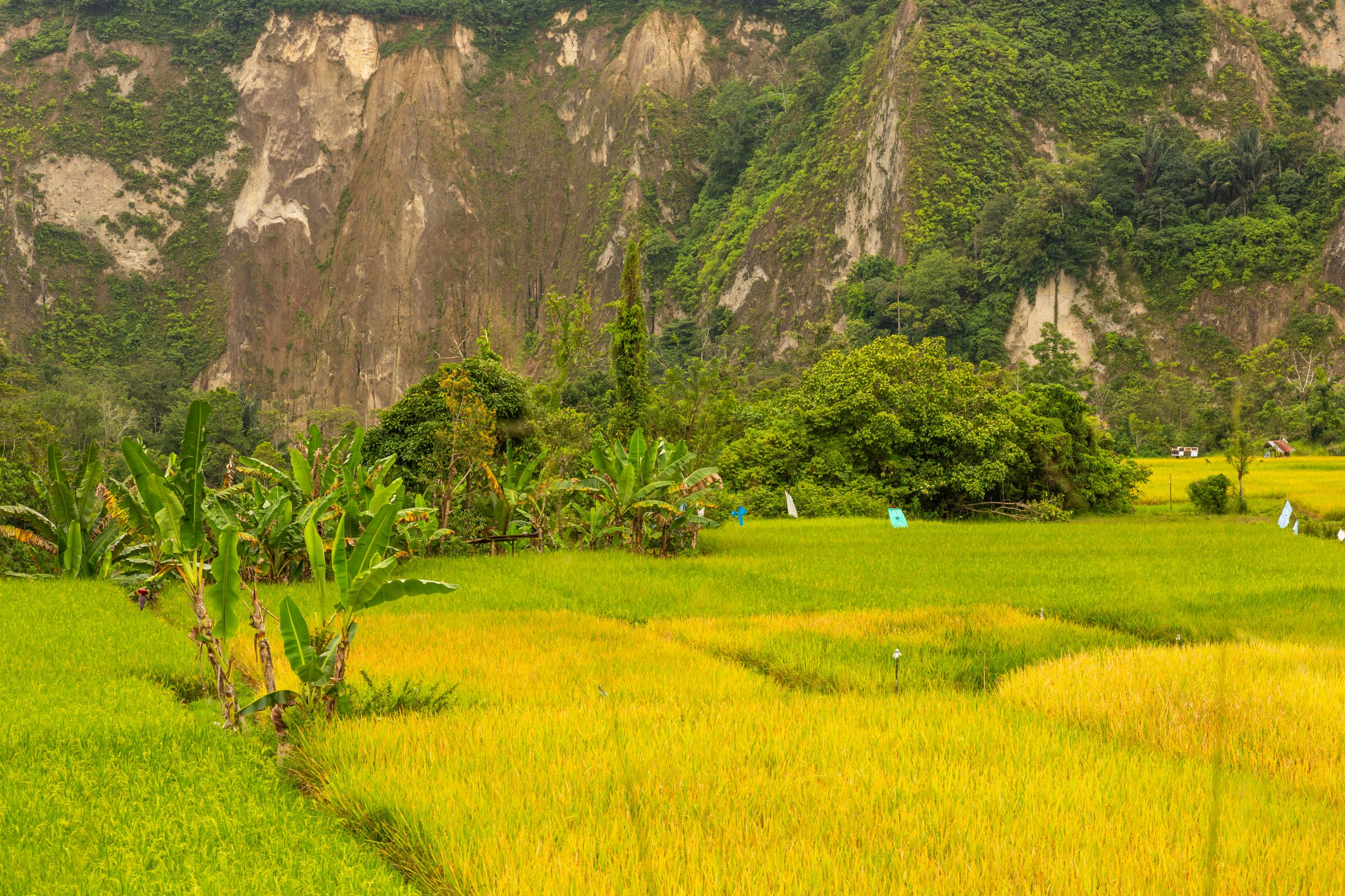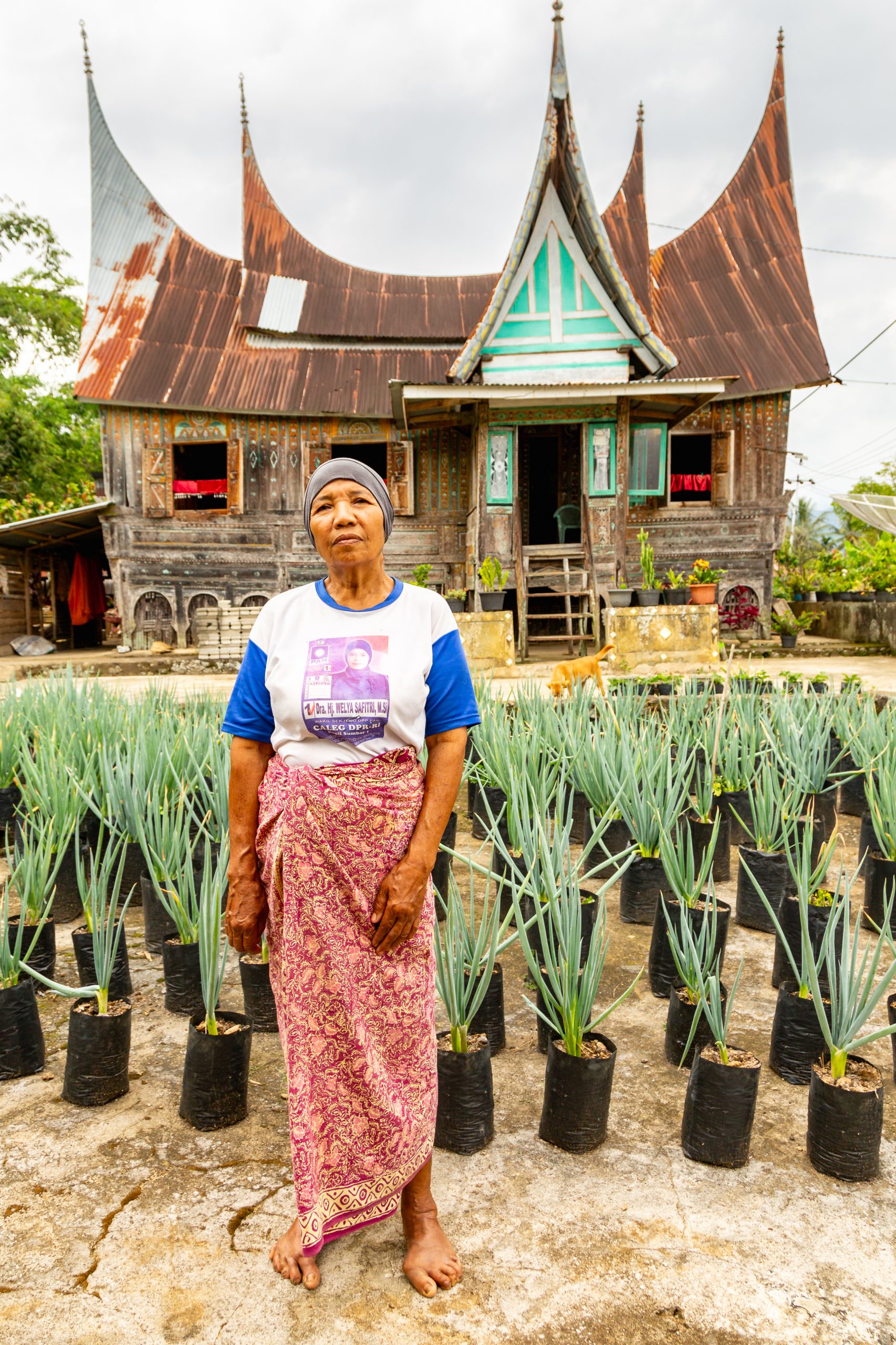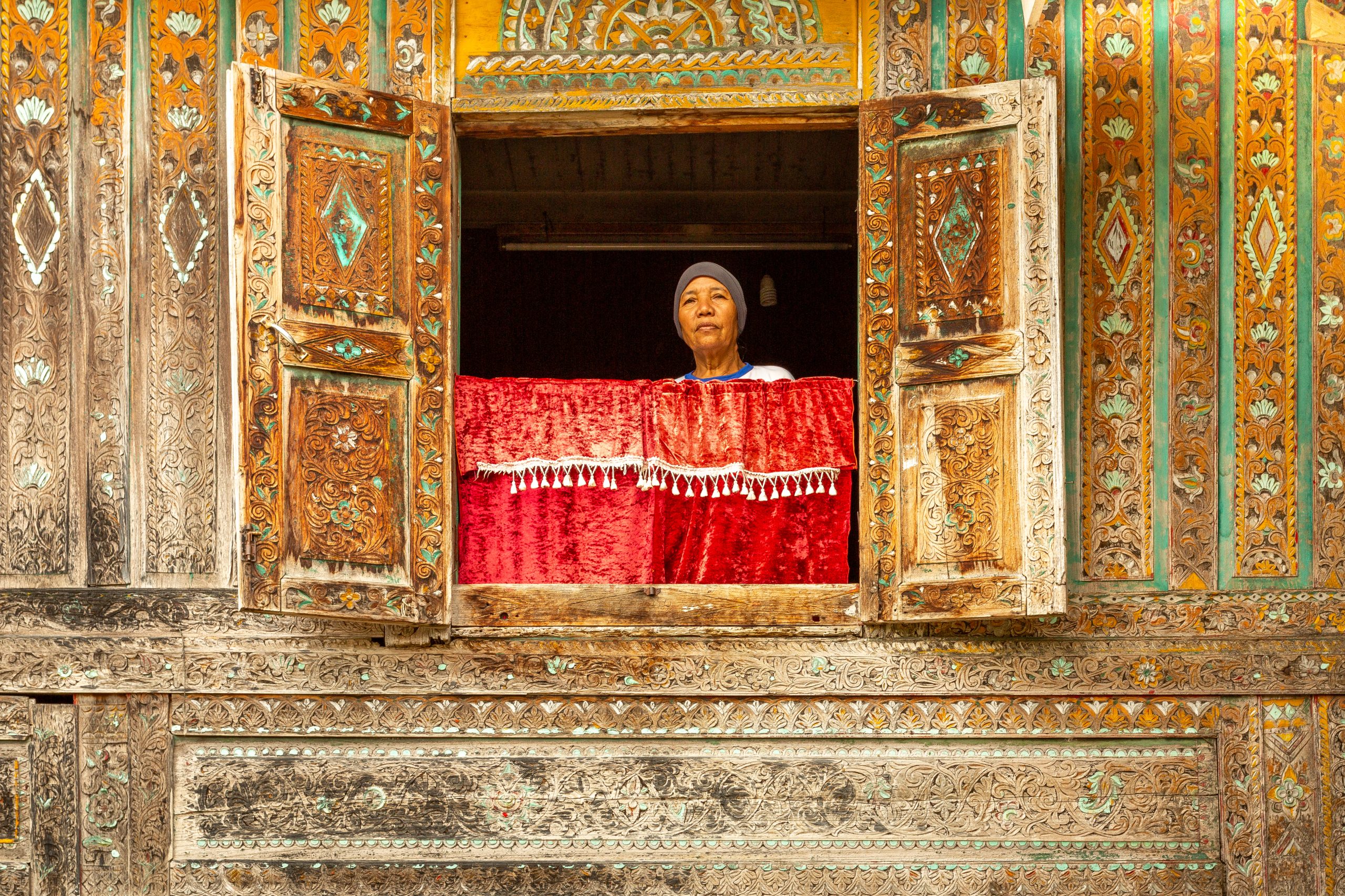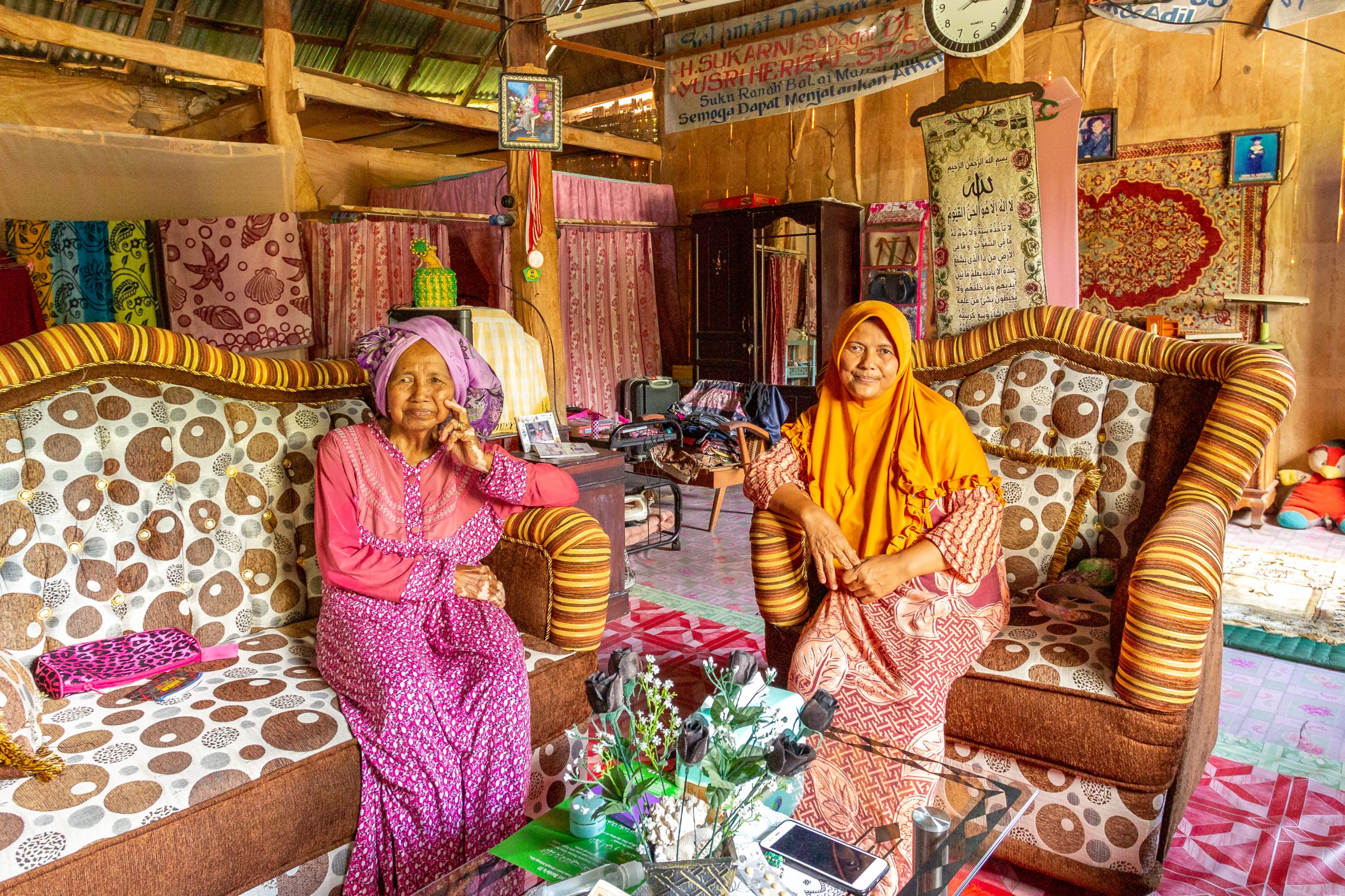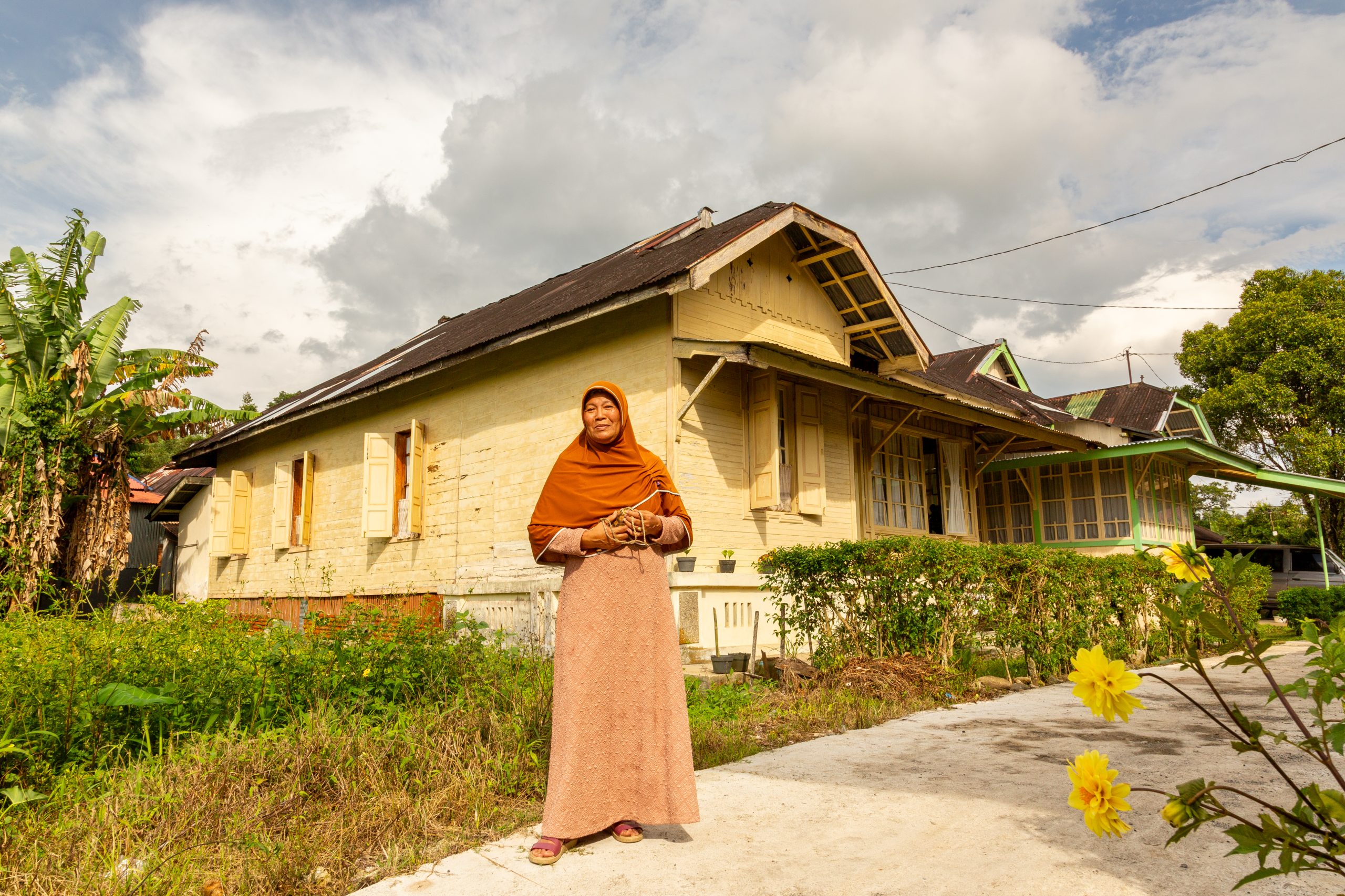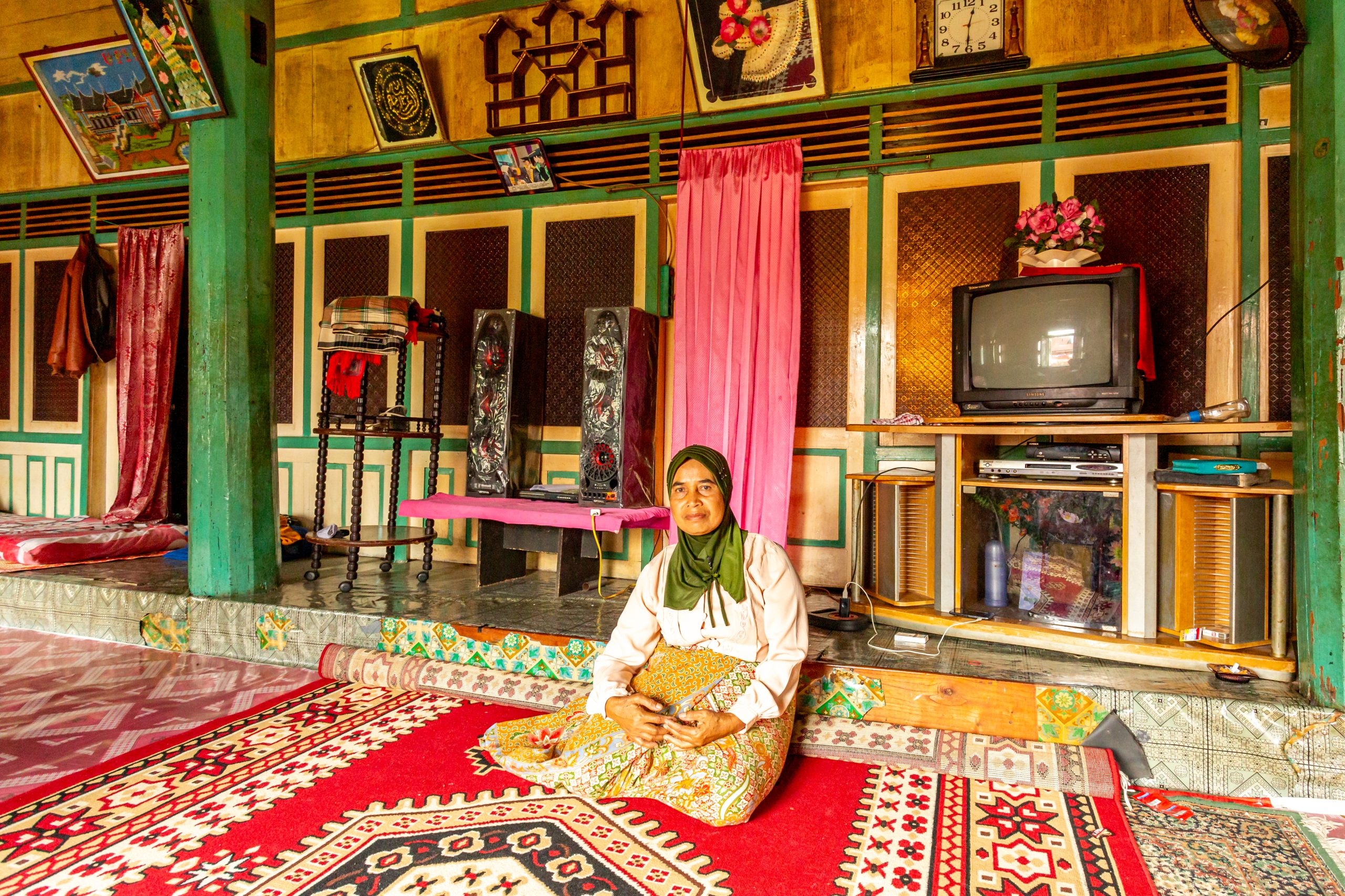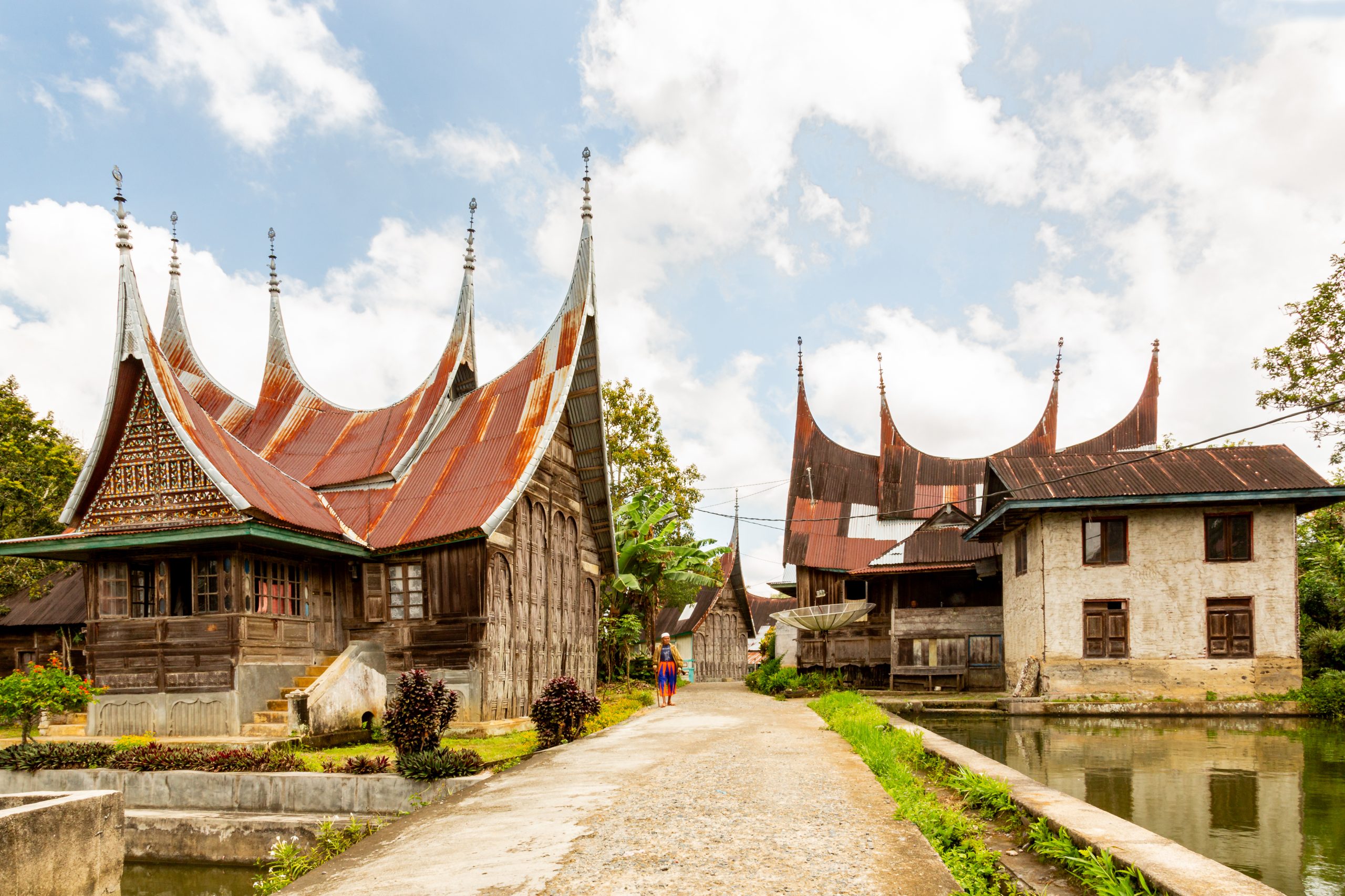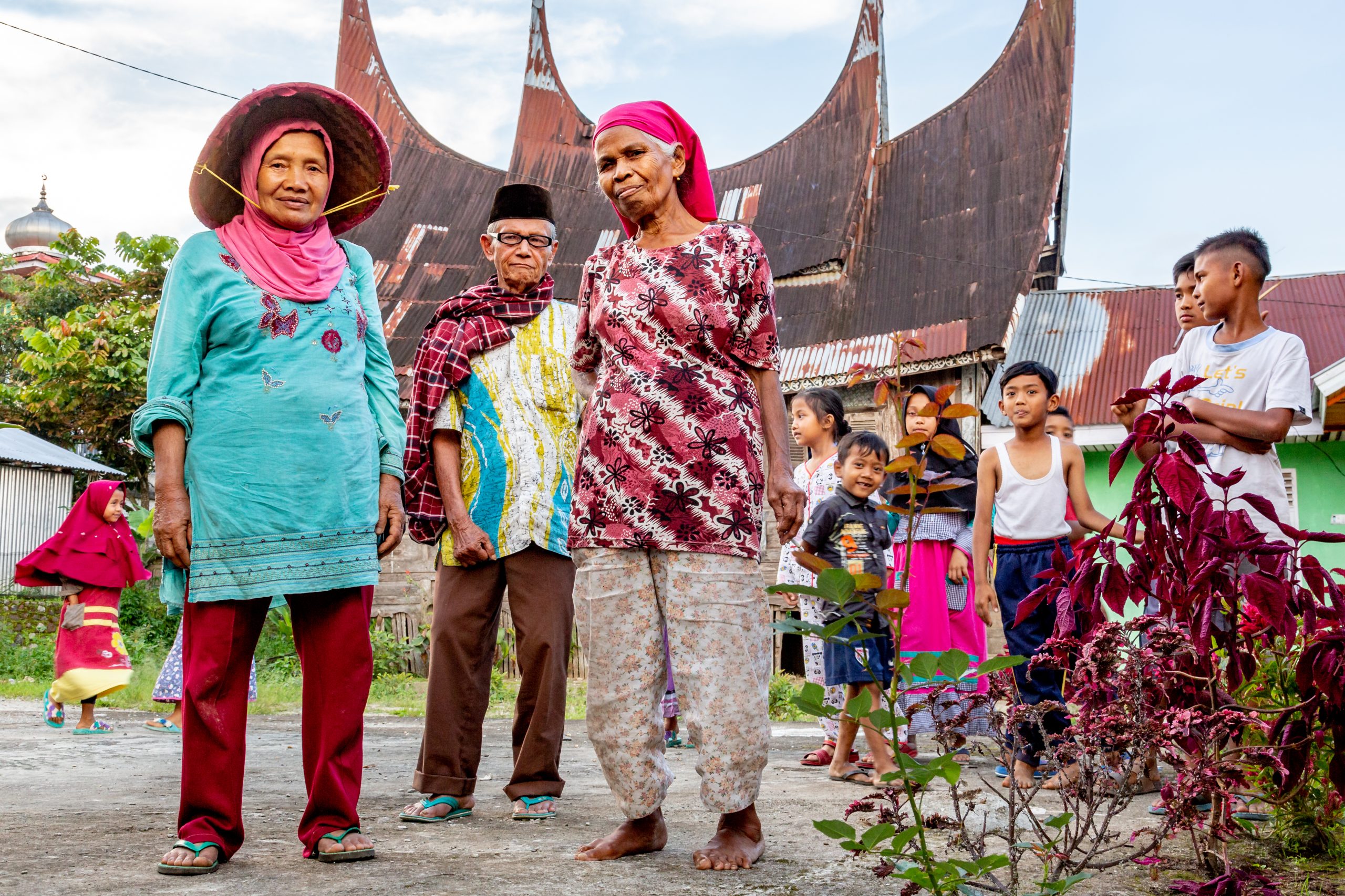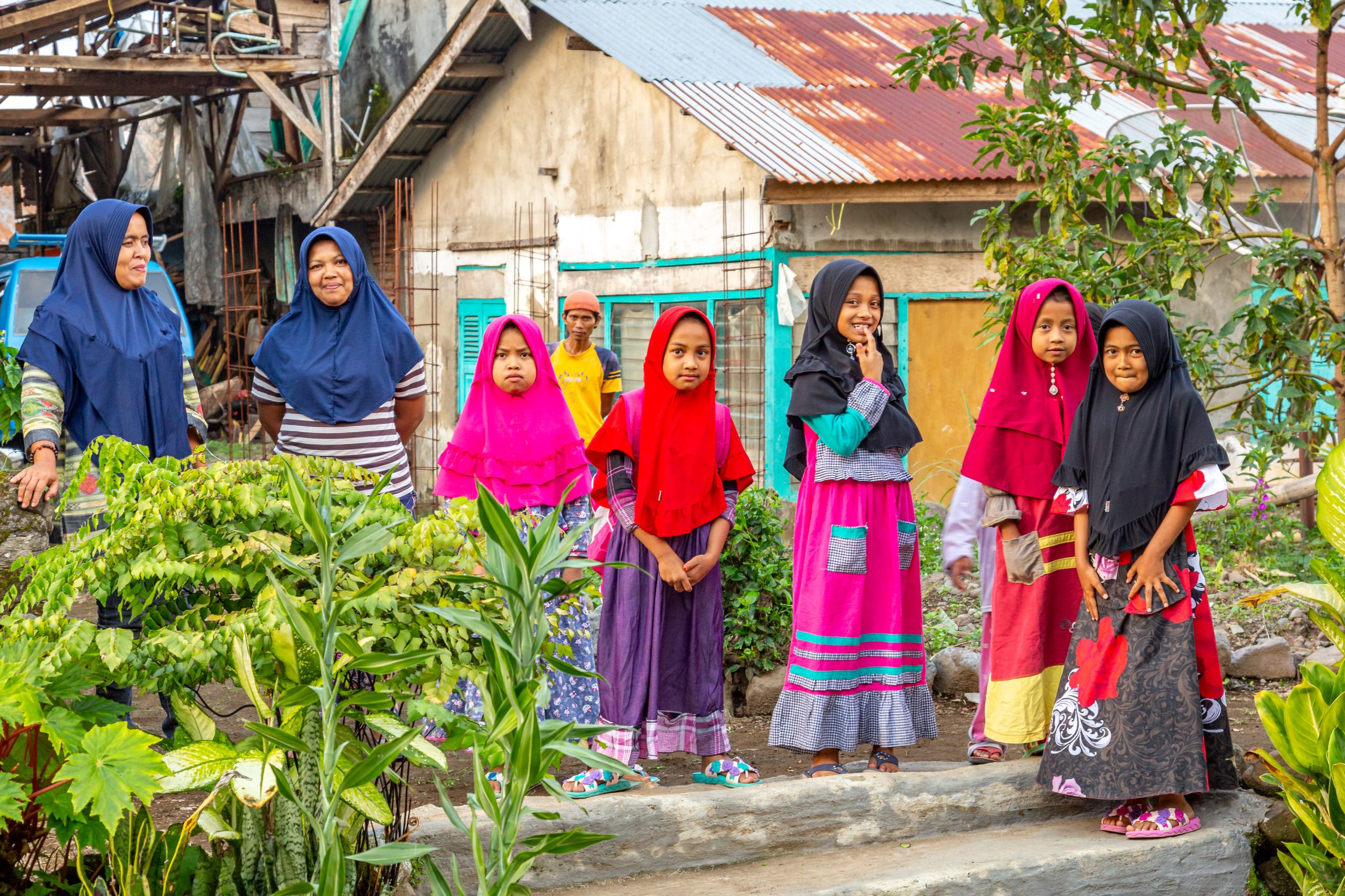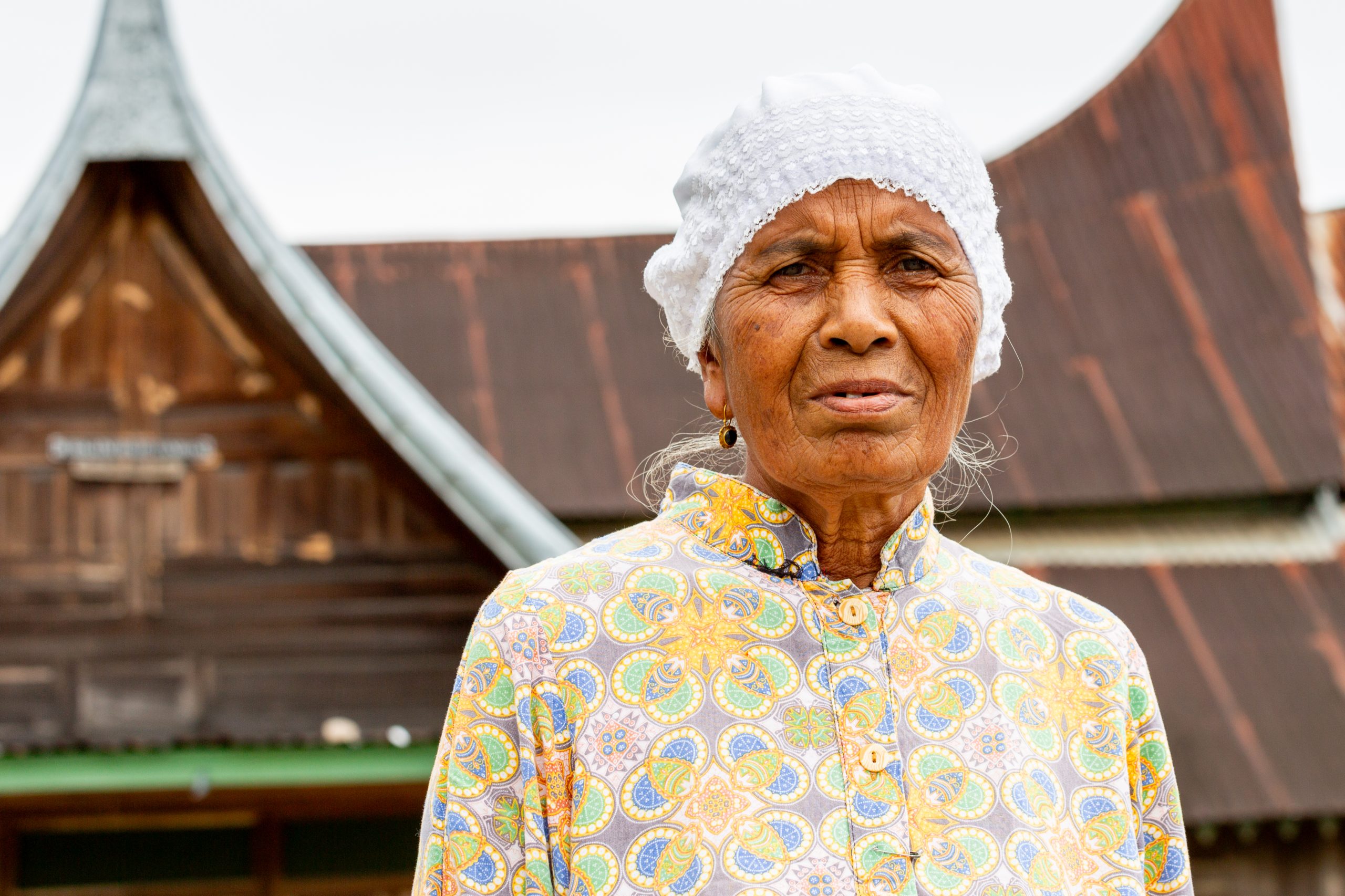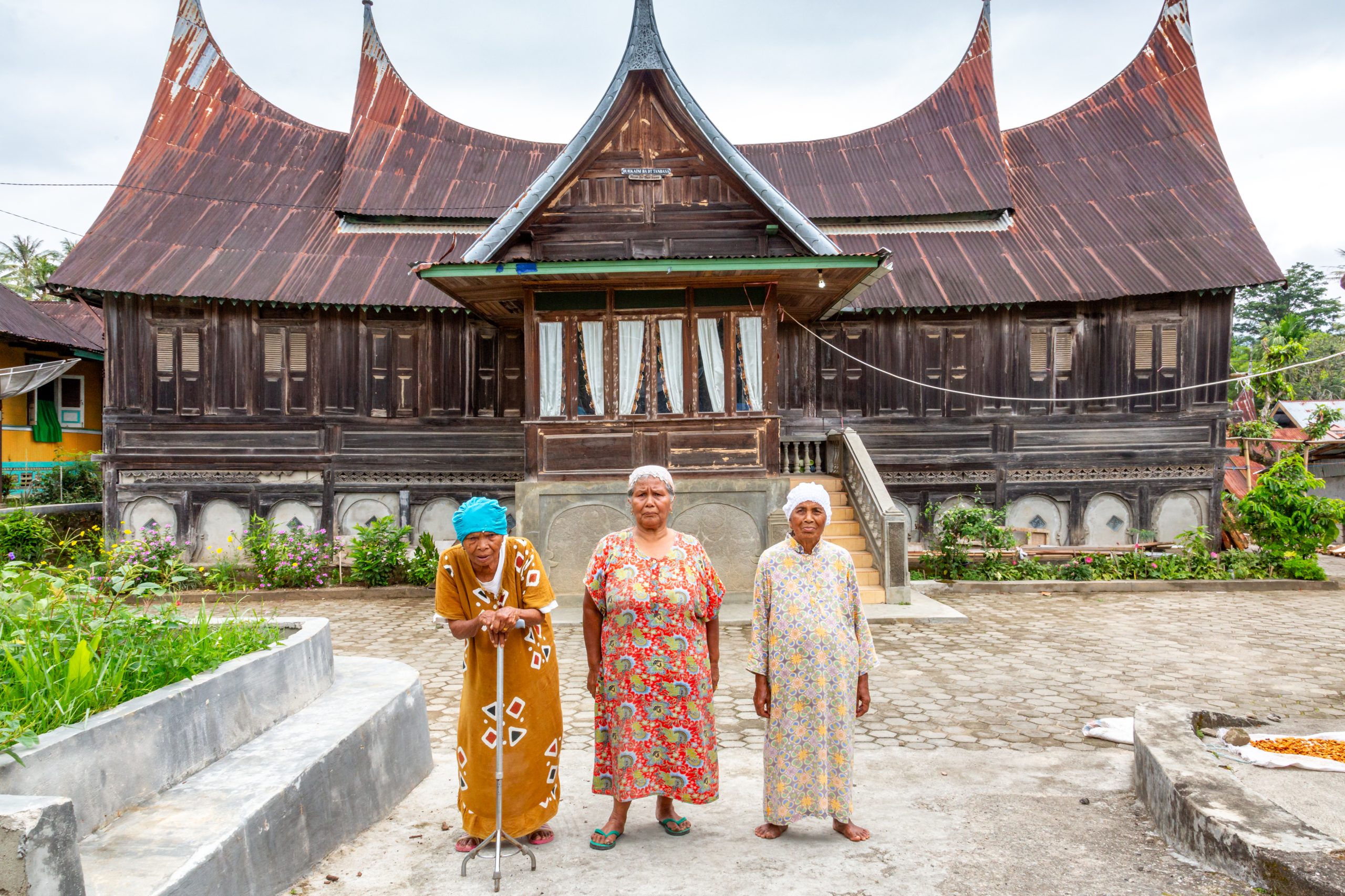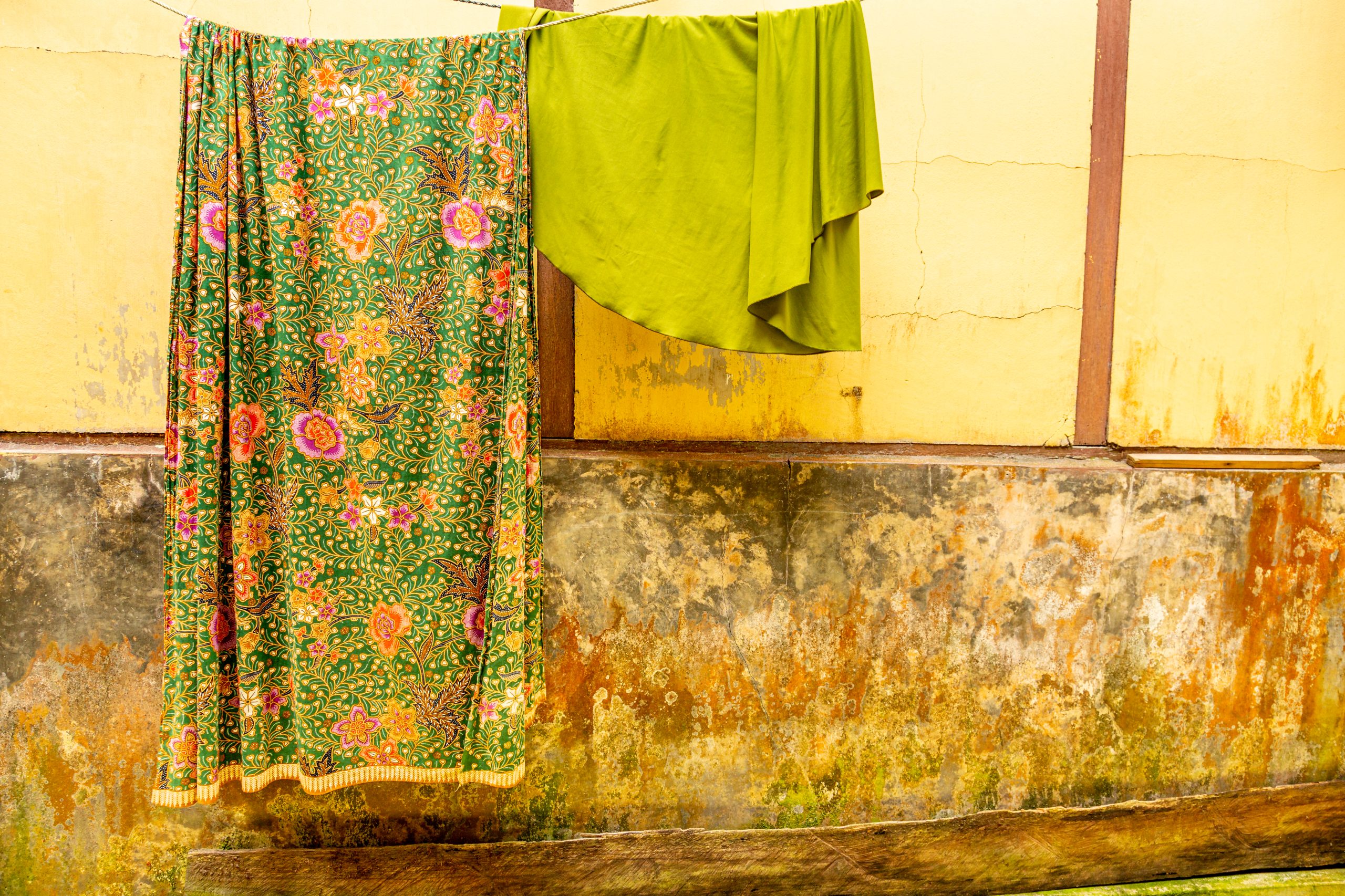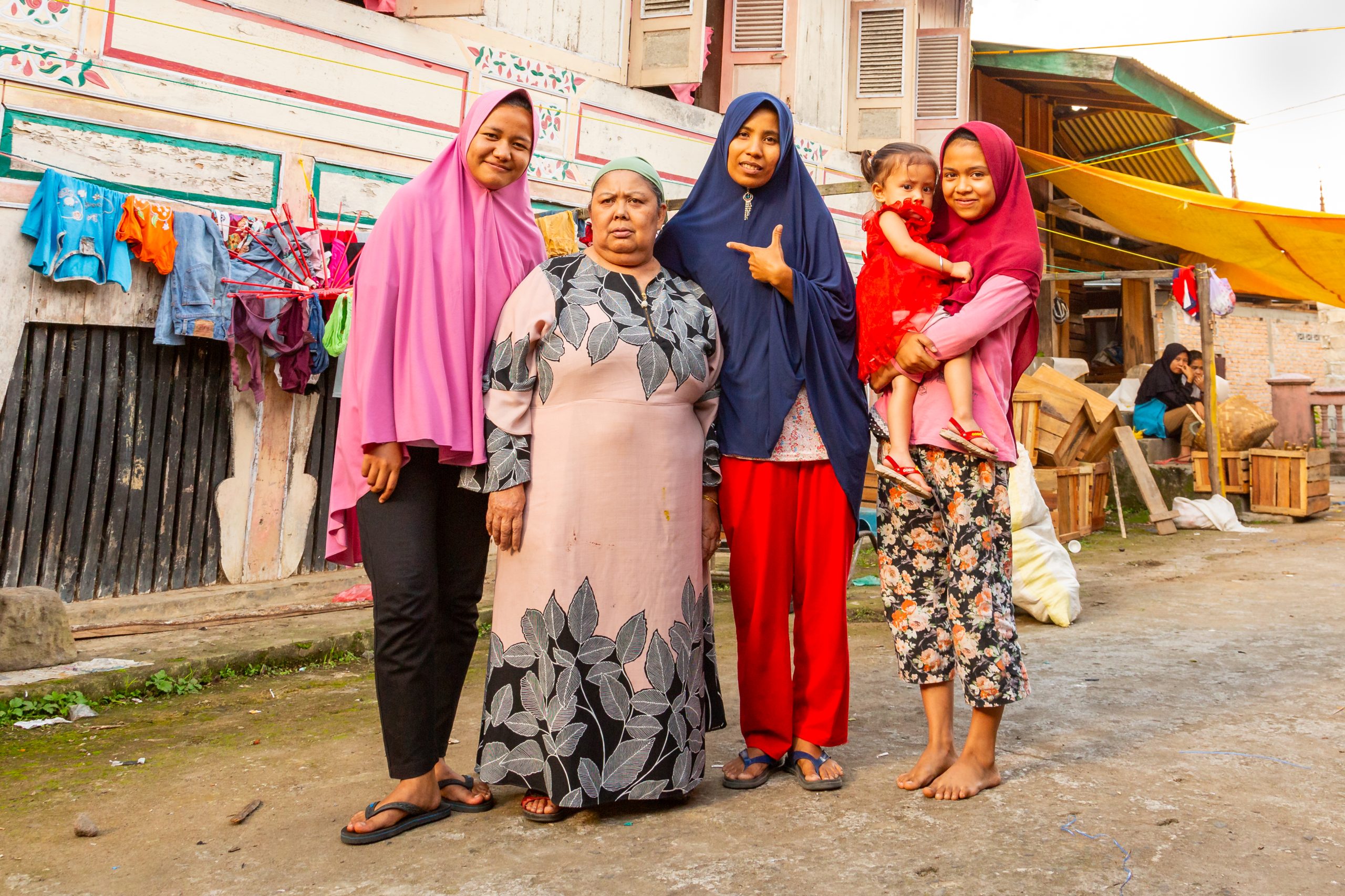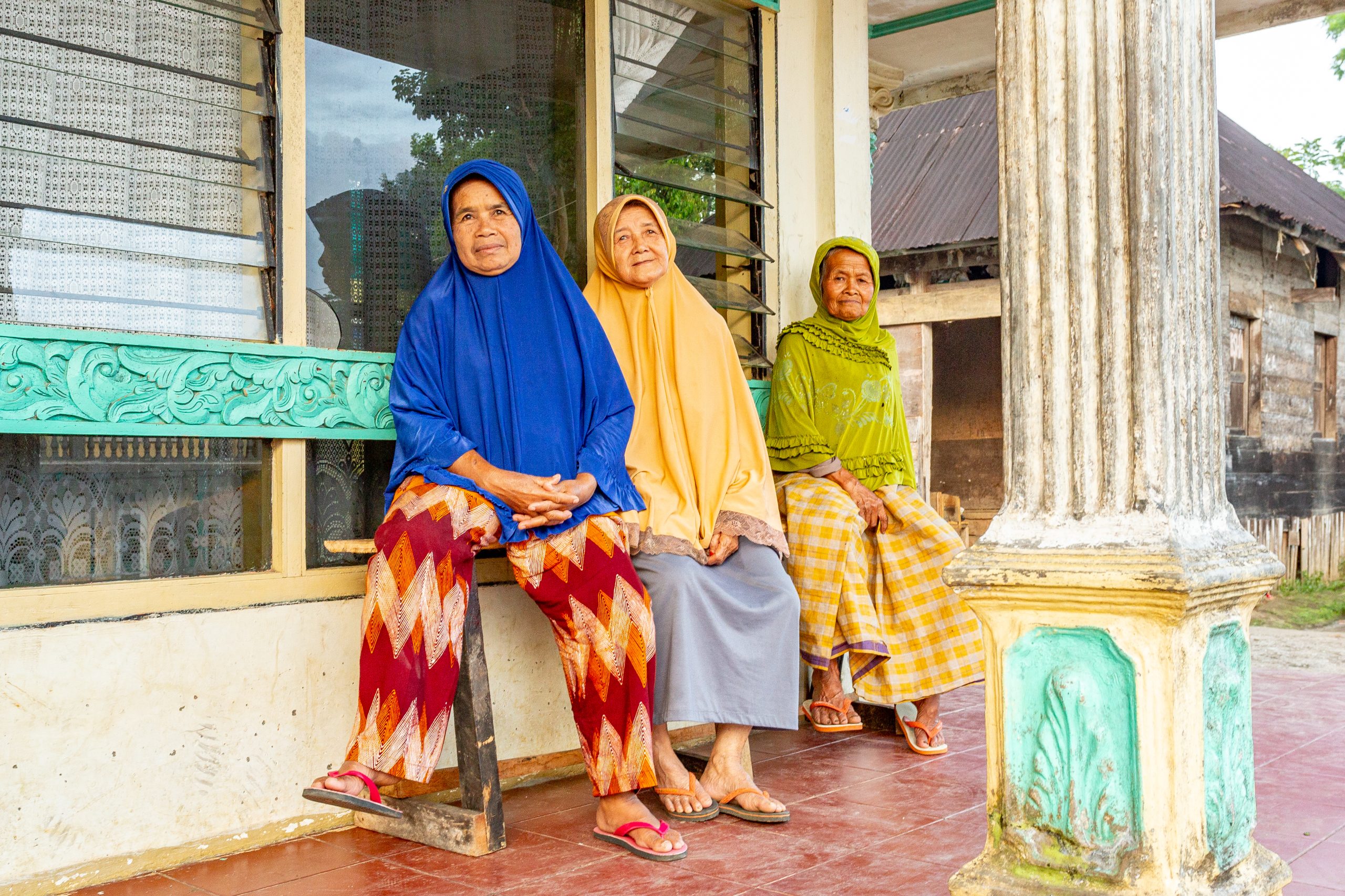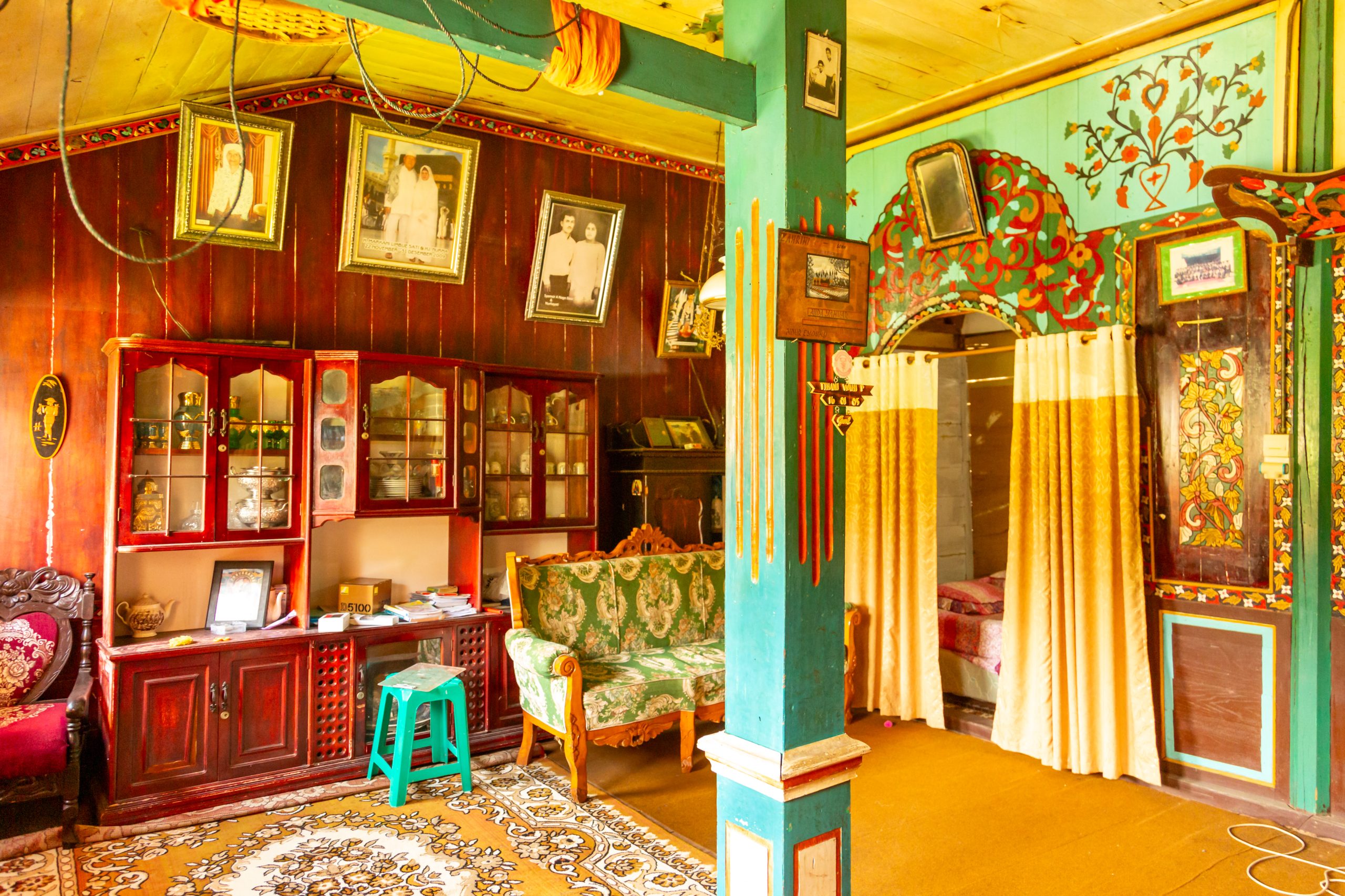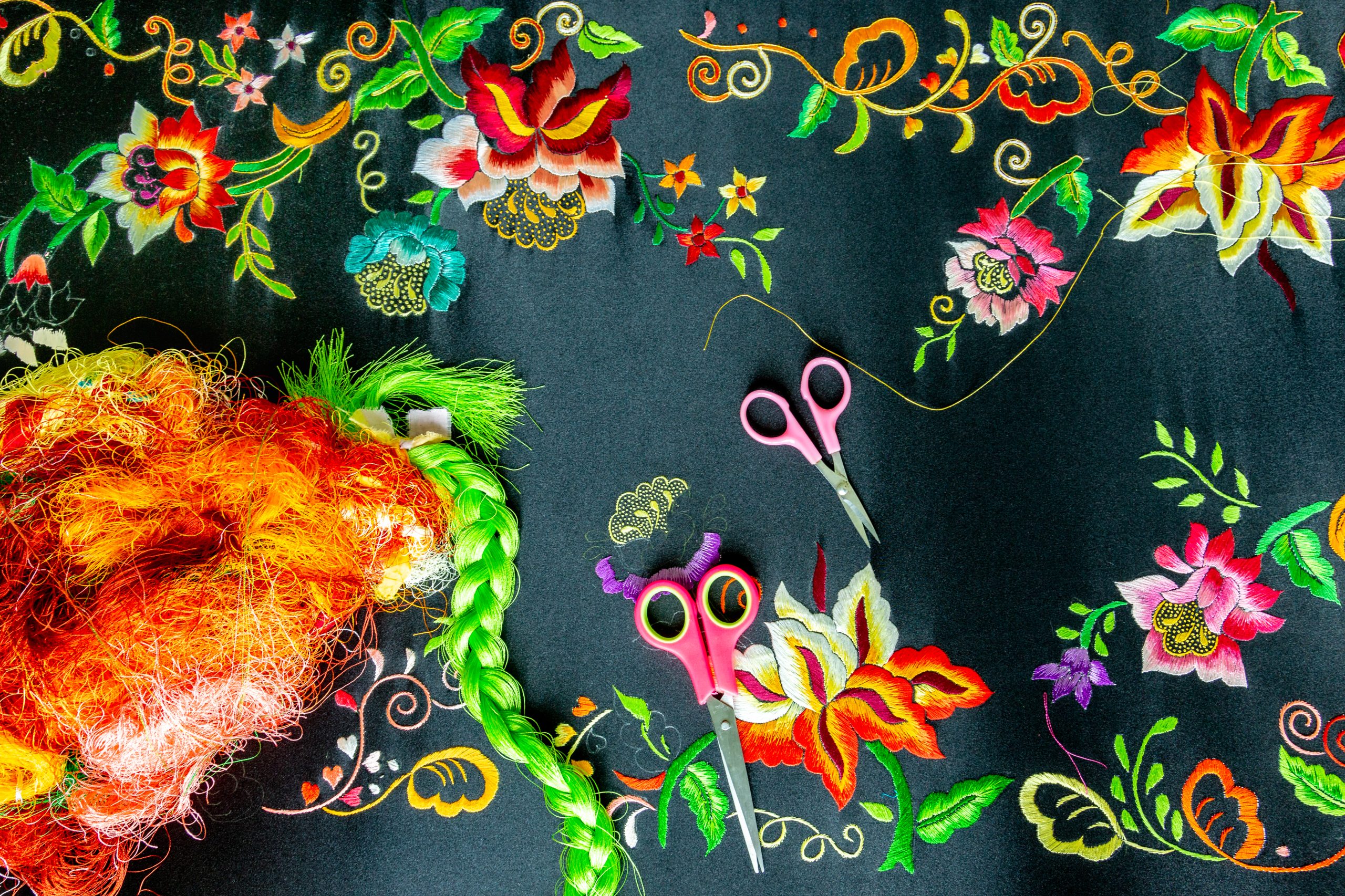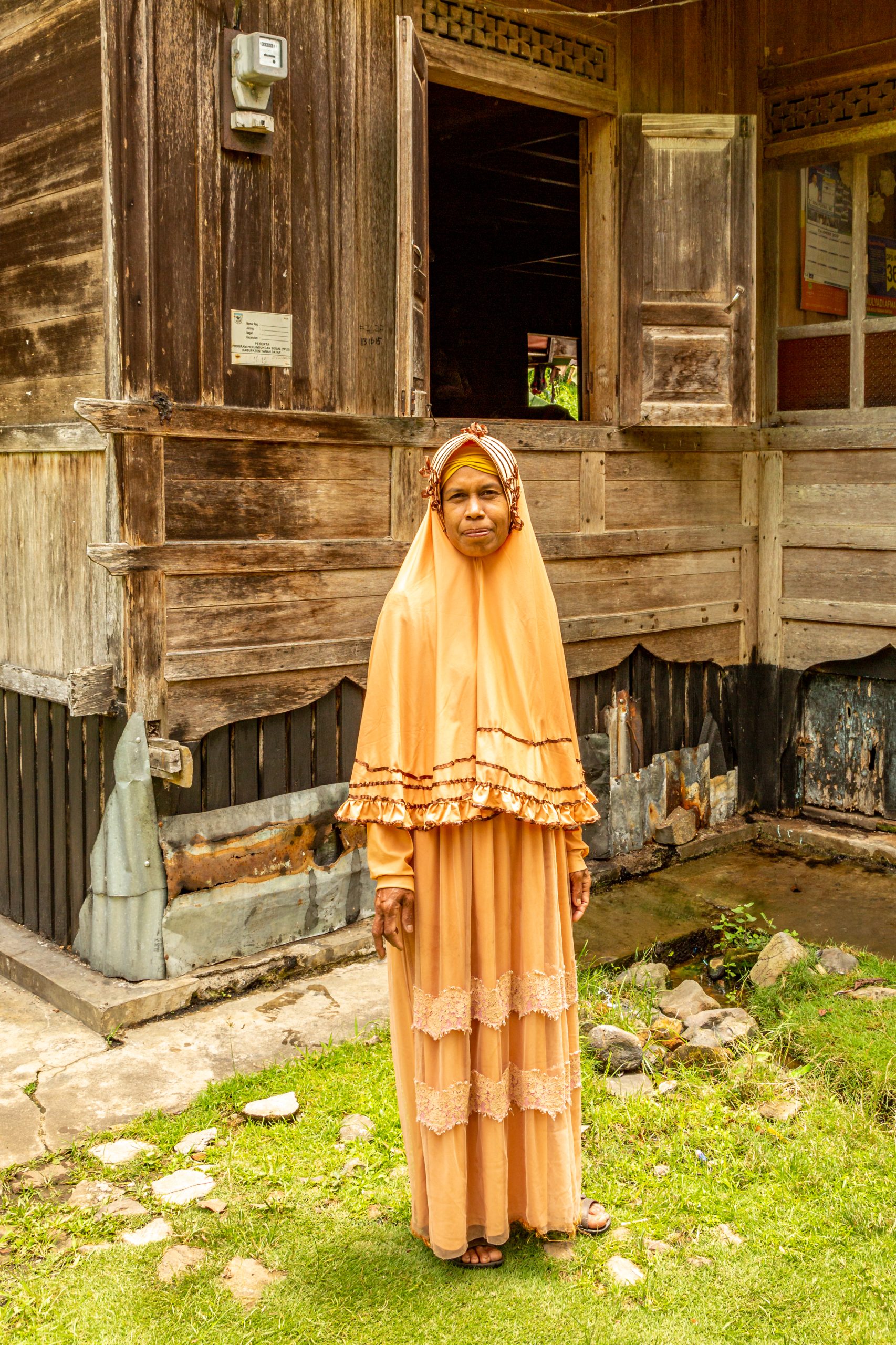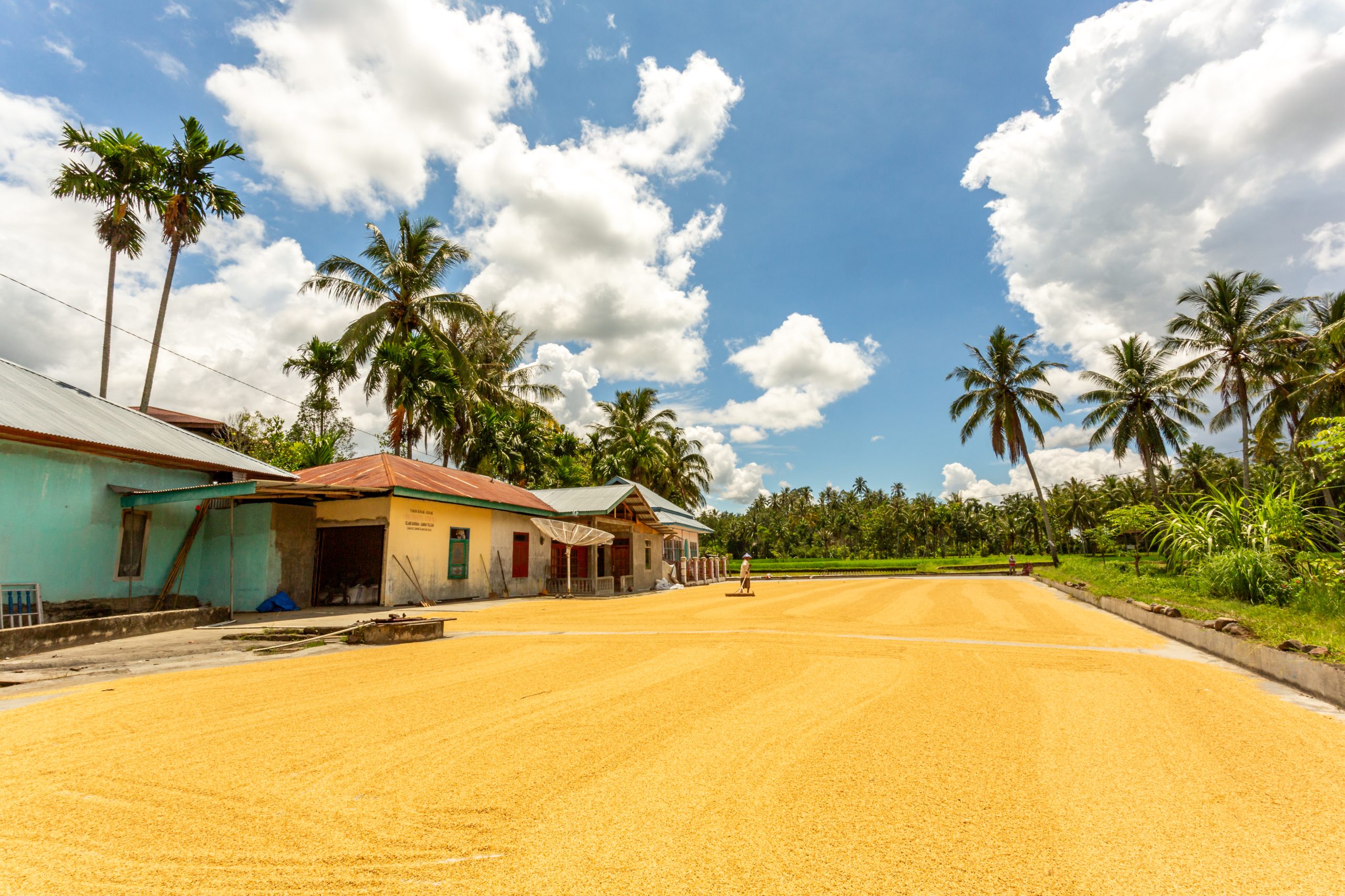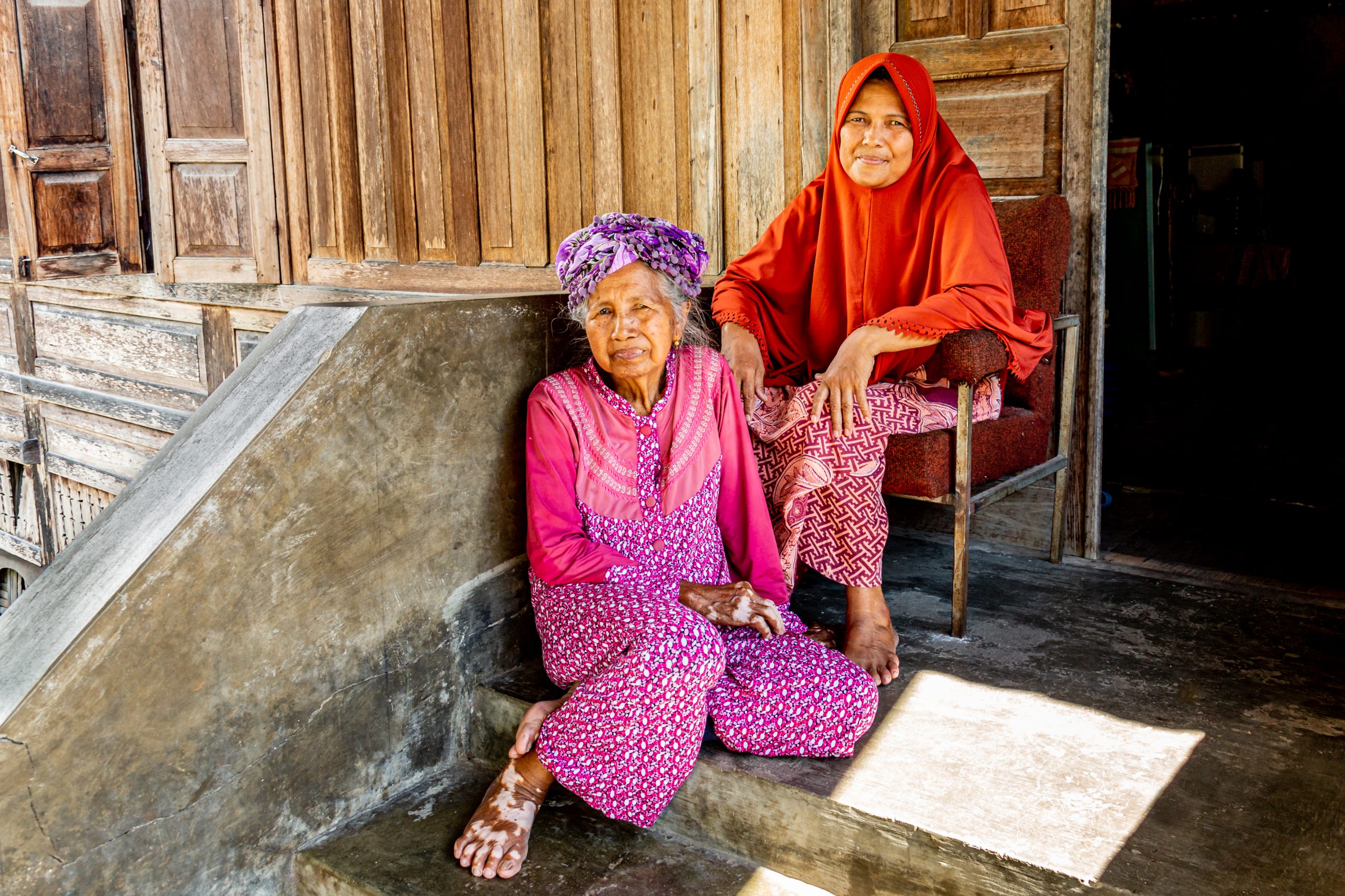
The Minangkabau, with a population of 3 million people, represent the largest matriarchal ethnic group in the world. They are mainly found in the highlands of West Sumatra and in the port city of Padang. The societal structure of the Minangkabau is organized in a matrilineal and matrilocal manner, where property is inherited exclusively through the female line. This cultural aspect is deeply rooted in their identity and is respected and lived from generation to generation. In contrast to patriarchal societies, the Minangkabau do not seek female dominance but rather live in an egalitarian coexistence. The role of the male counterpart to the strong mother figure is taken on by the maternal uncle, known as Mamak. This structure creates a balanced gender dynamic, with Mamak playing a more significant role in the family system and serving as a supportive figure for the children, often even surpassing the biological father. The traditional houses of the Minangkabau are a distinctive feature of their landscape. These beautifully painted buildings with intricate carvings are often empty but serve as gathering places for celebrations and ceremonies. This way of life promotes multi-generational living under one roof. Household chores are shared equally between men and women. In addition to their unique family dynamics, the Minangkabau also maintain rich craft traditions. Men are known for intricate wood carvings, while women have excelled as textile artists. Despite their matriarchal organization, the Minangkabau peacefully coexist with Islam, proudly preserving their traditions. However, the increasing influence of modern life in cities is posing a challenge to their traditional way of life, threatening their cultural identity. It remains to be seen how this society will navigate changing times and whether they can preserve their unique cultural heritage.