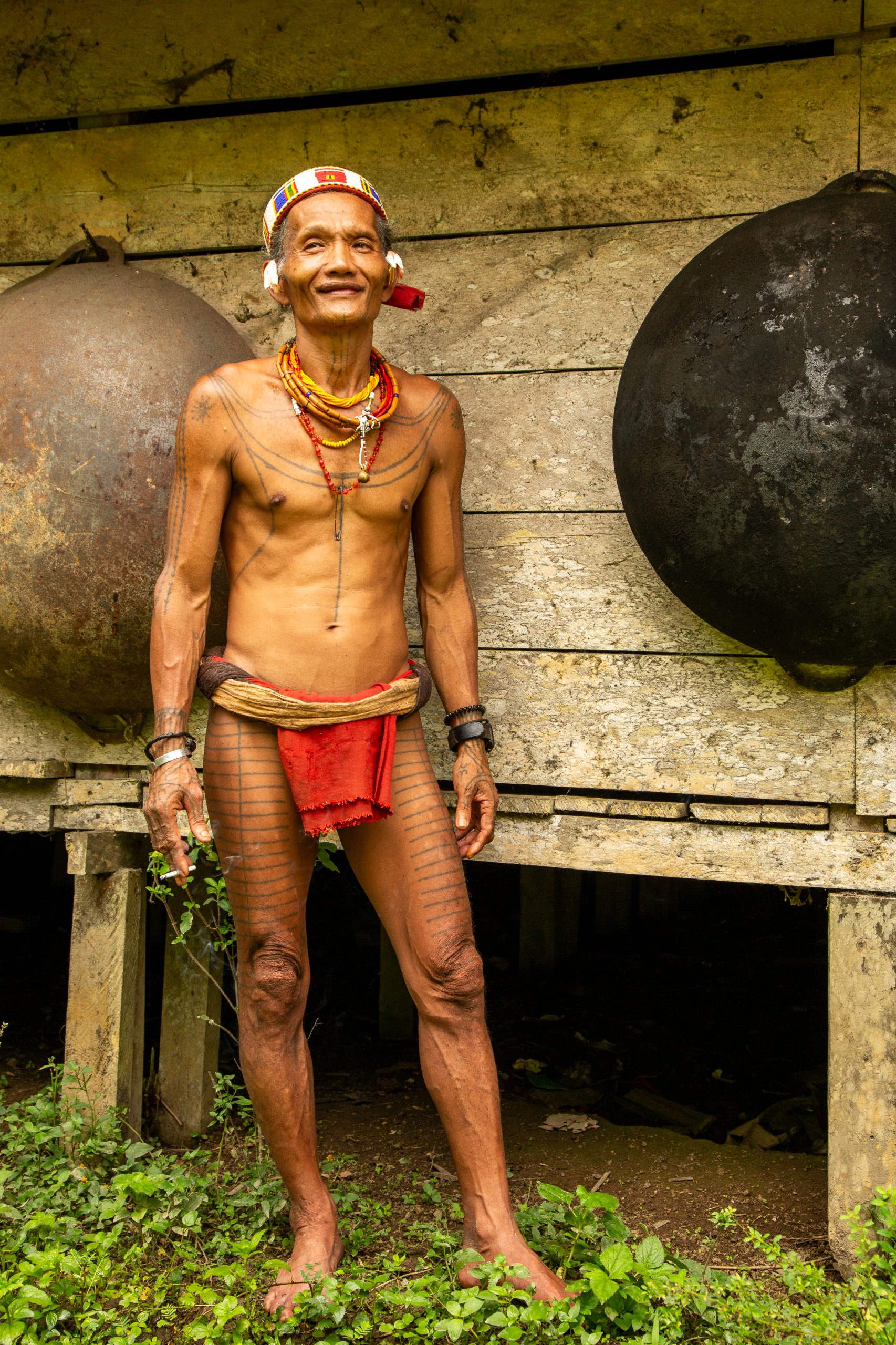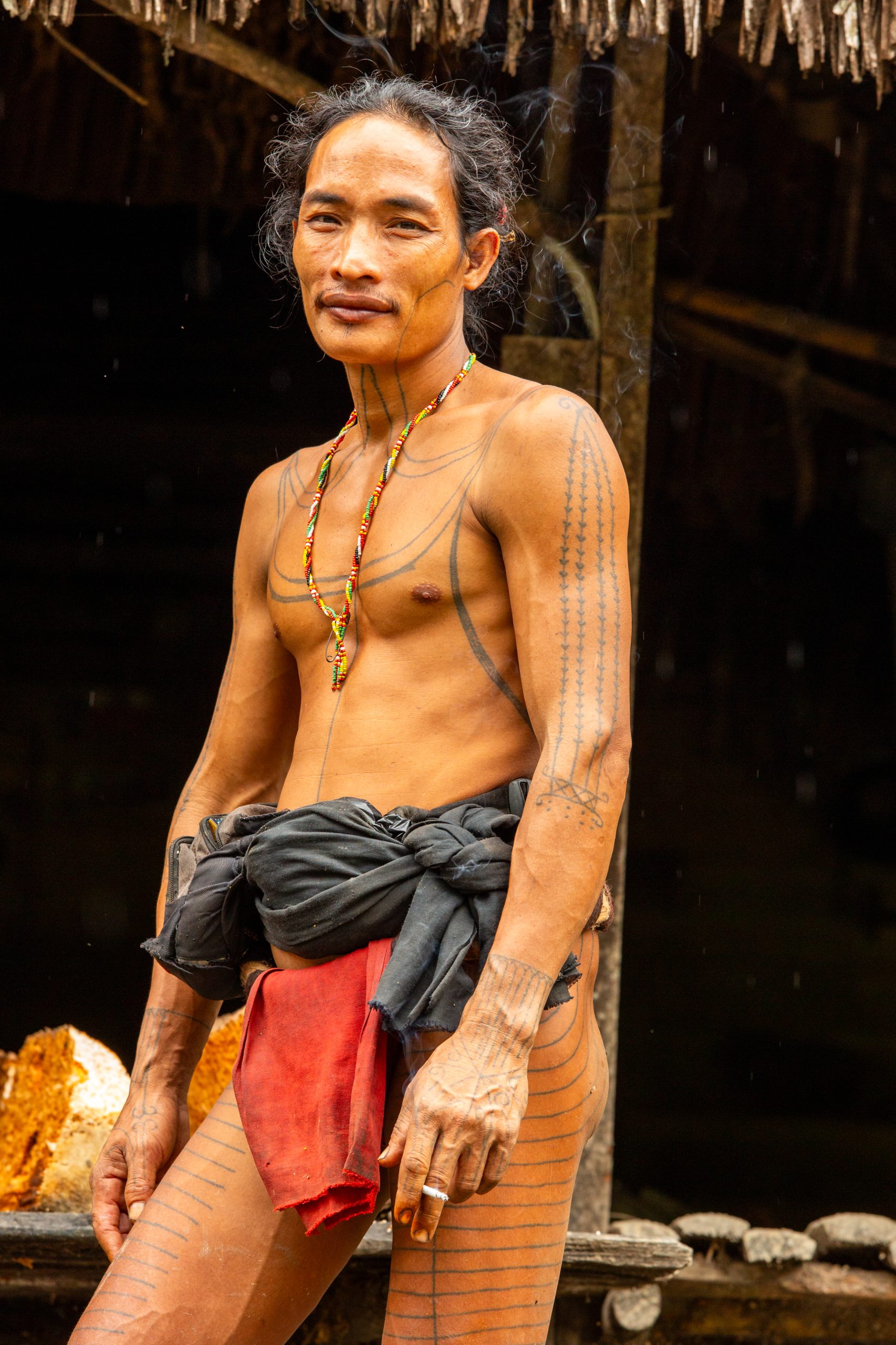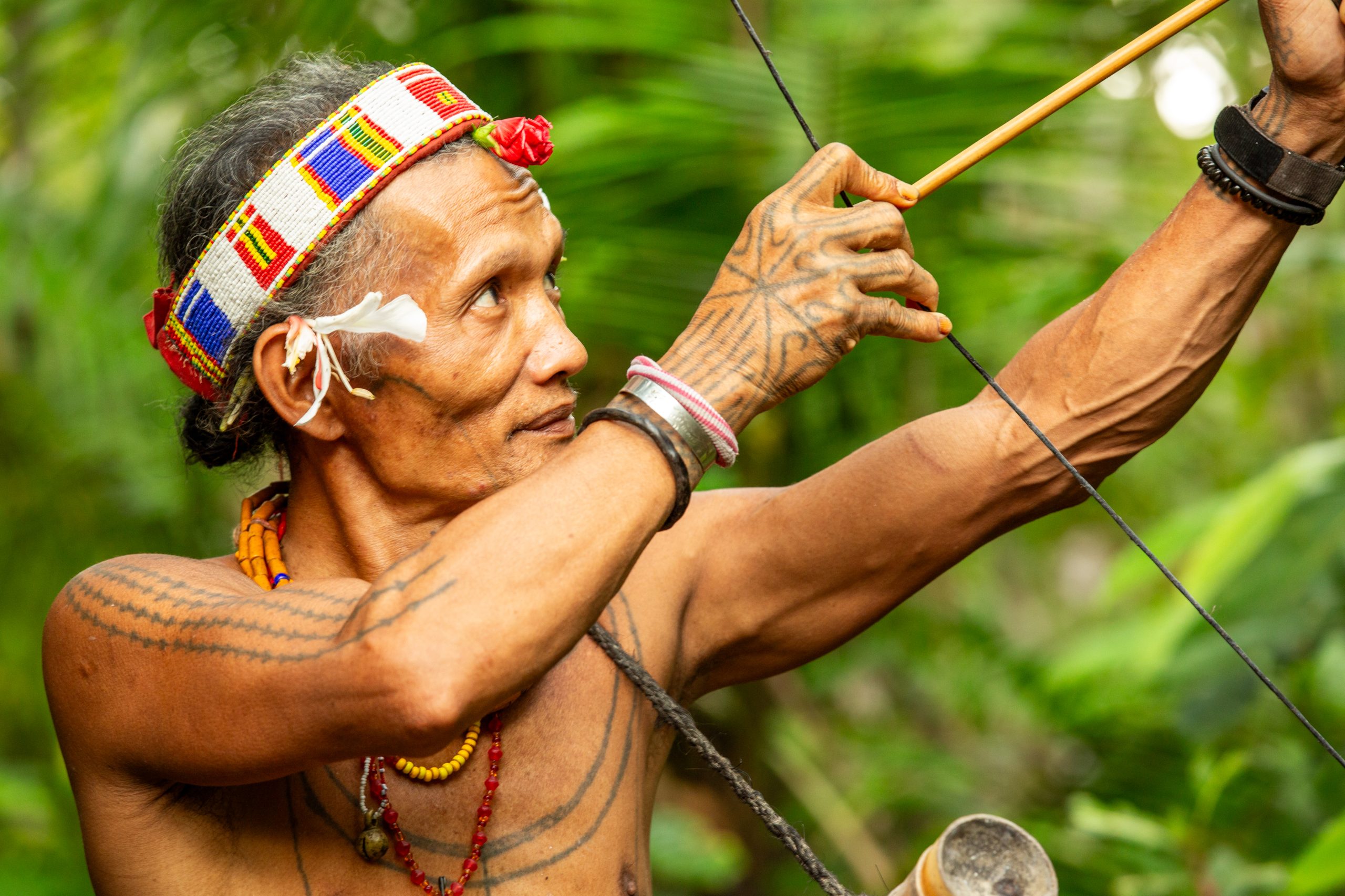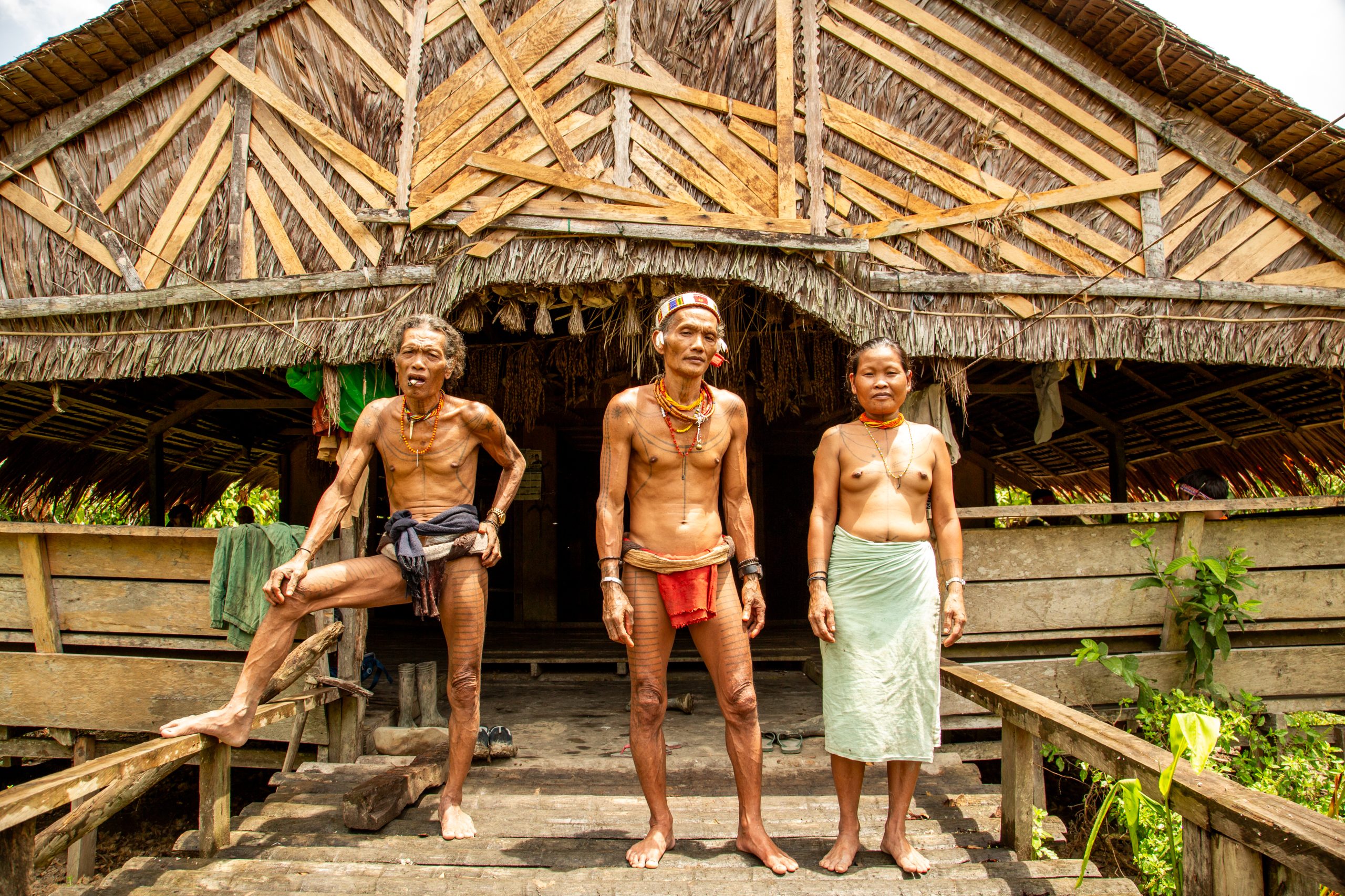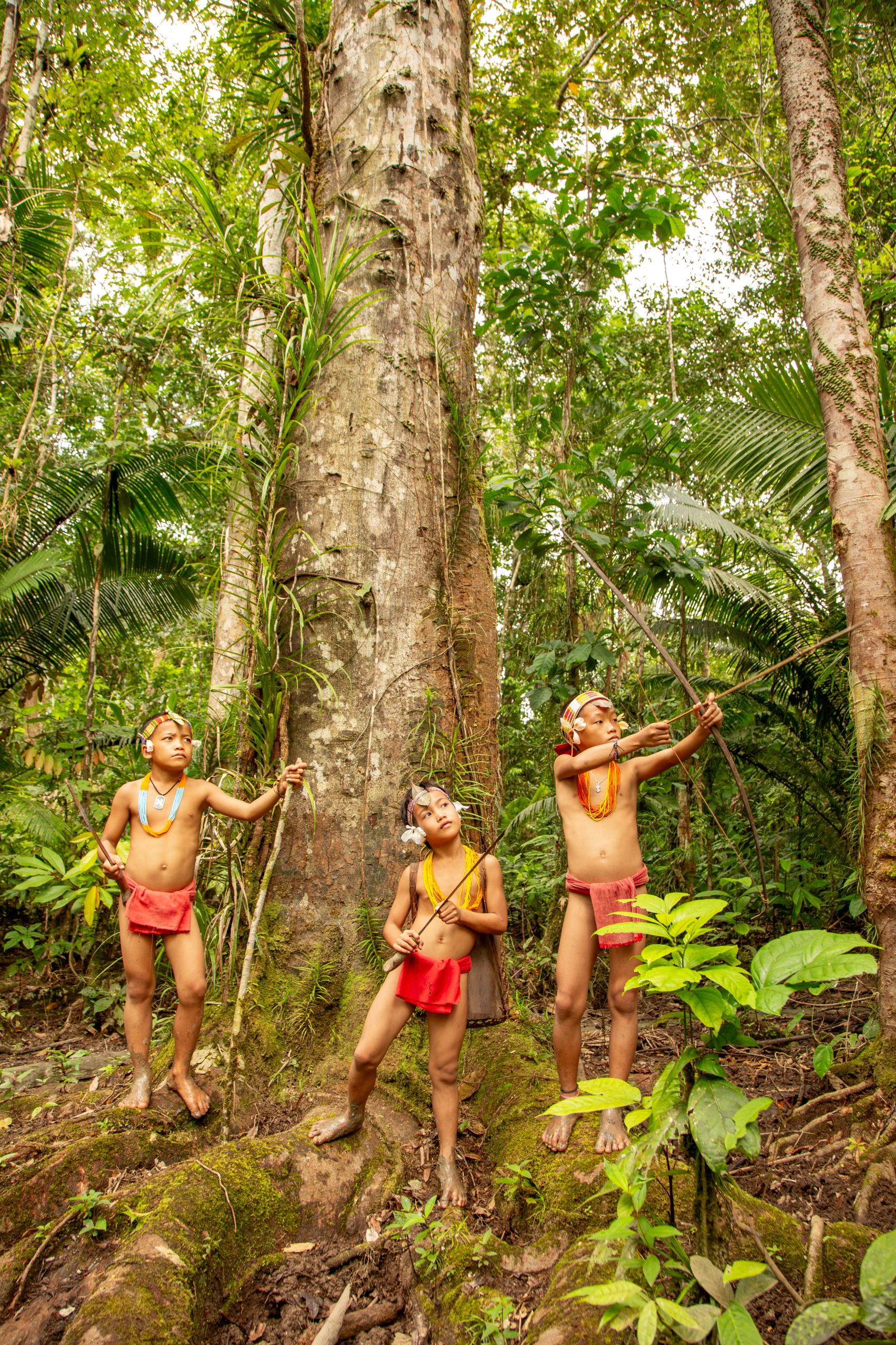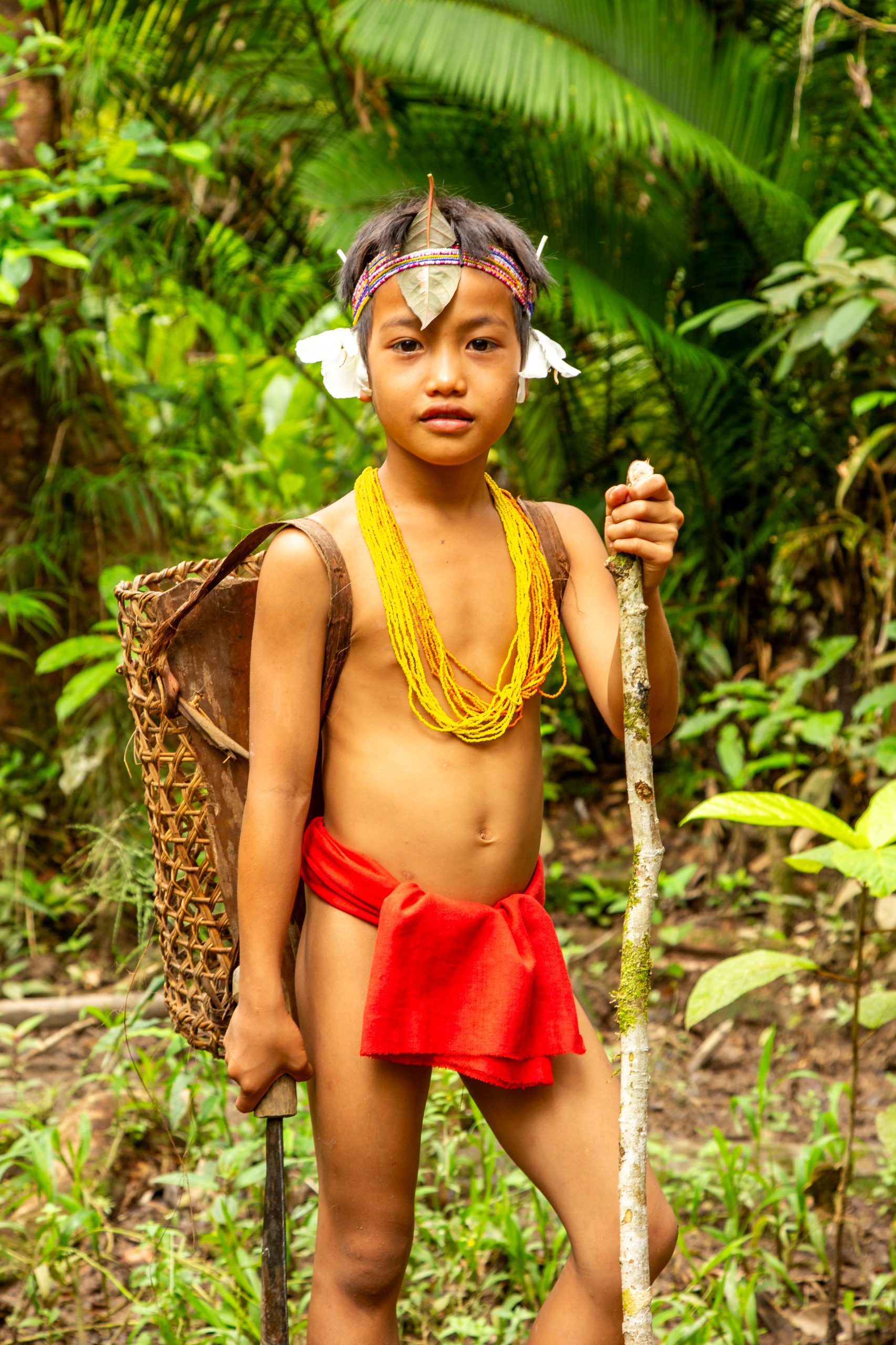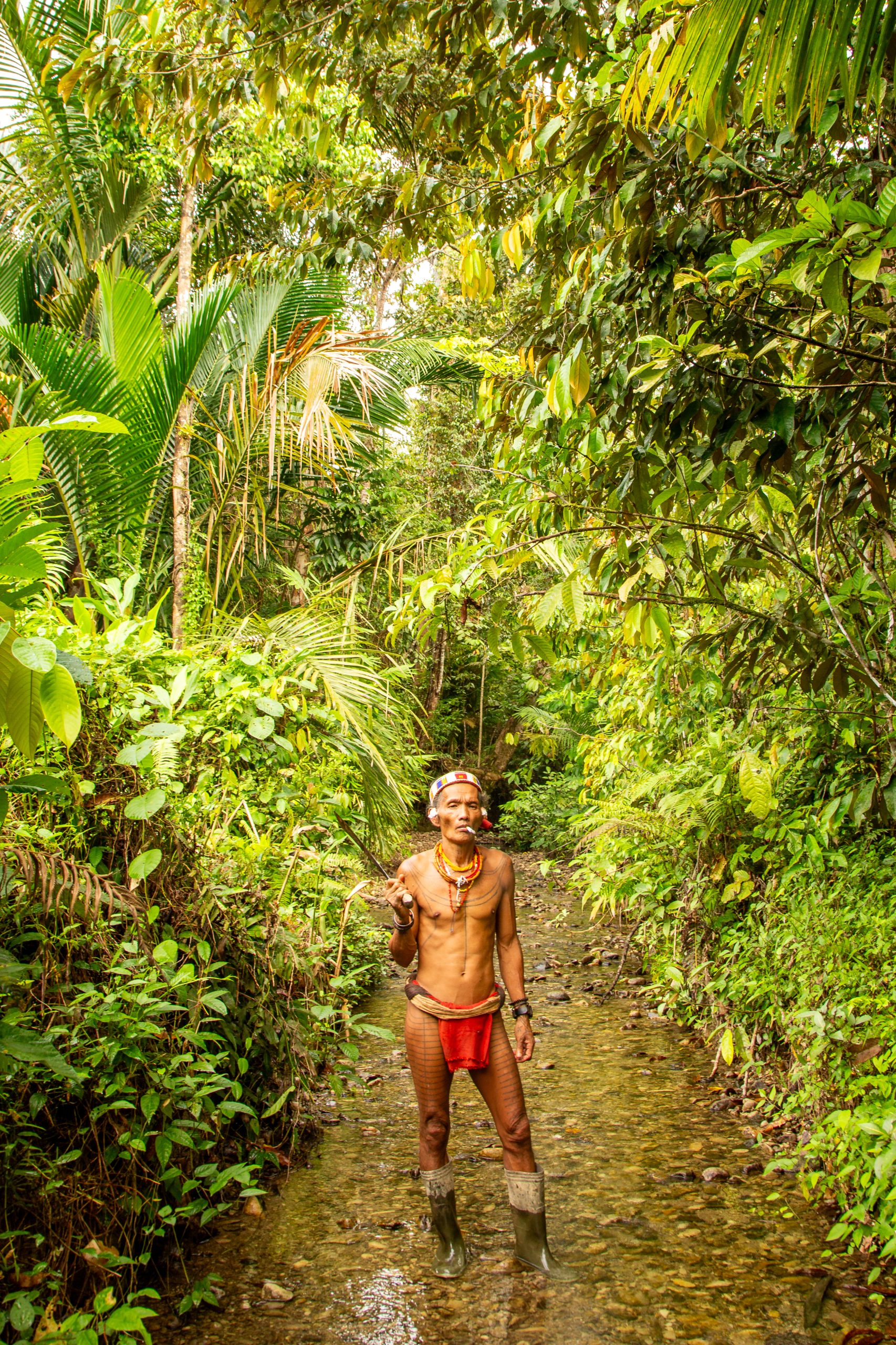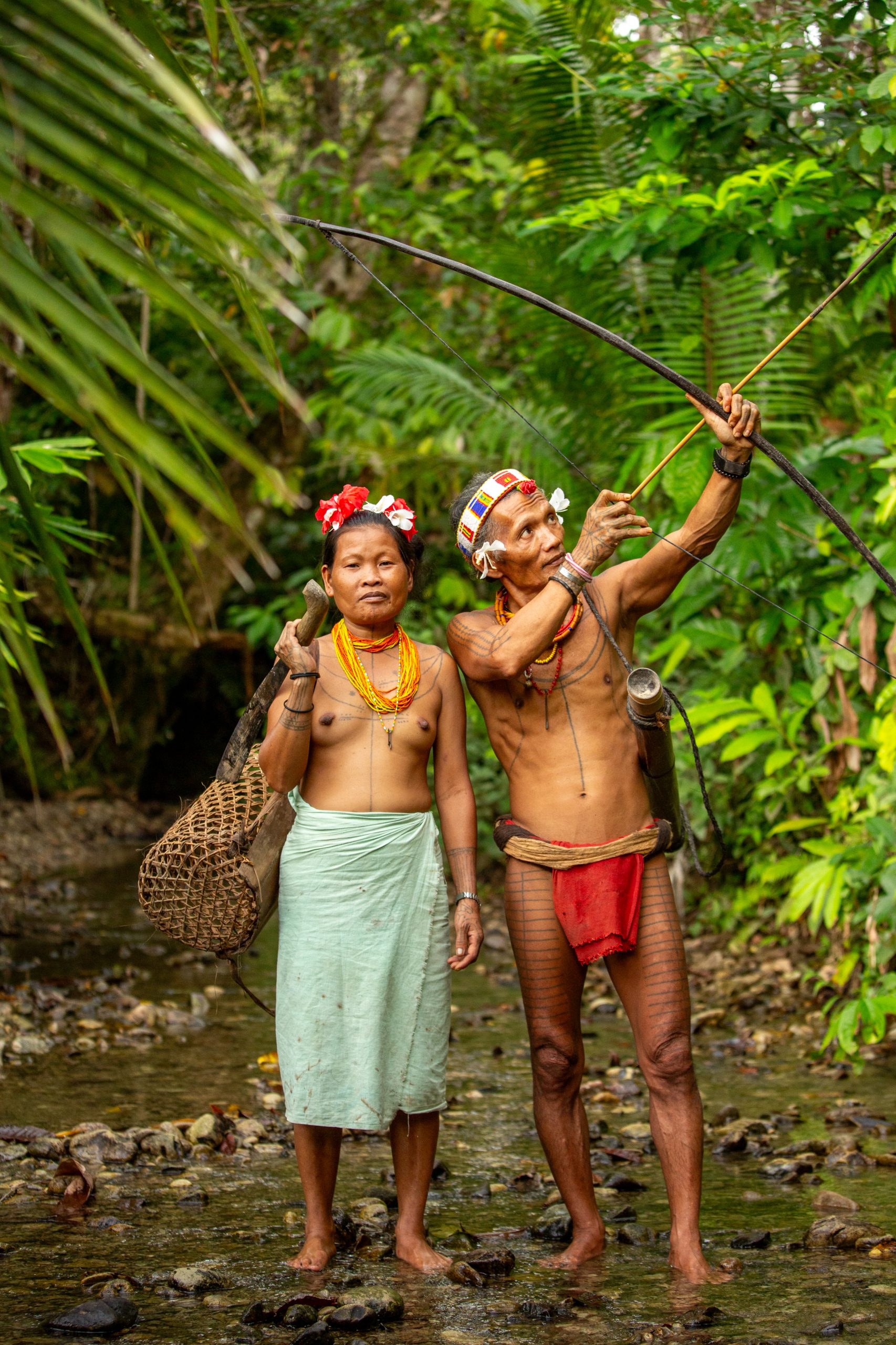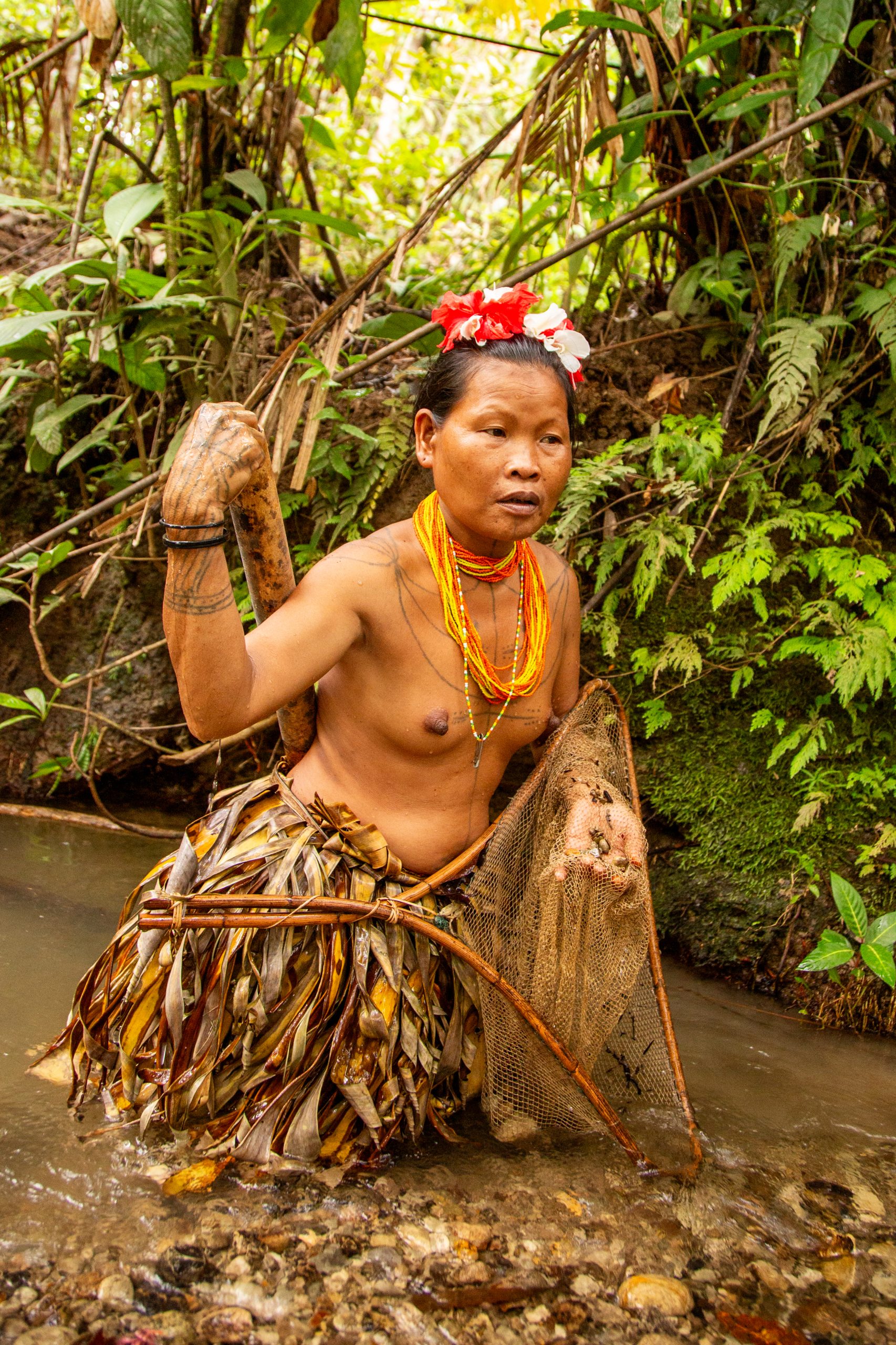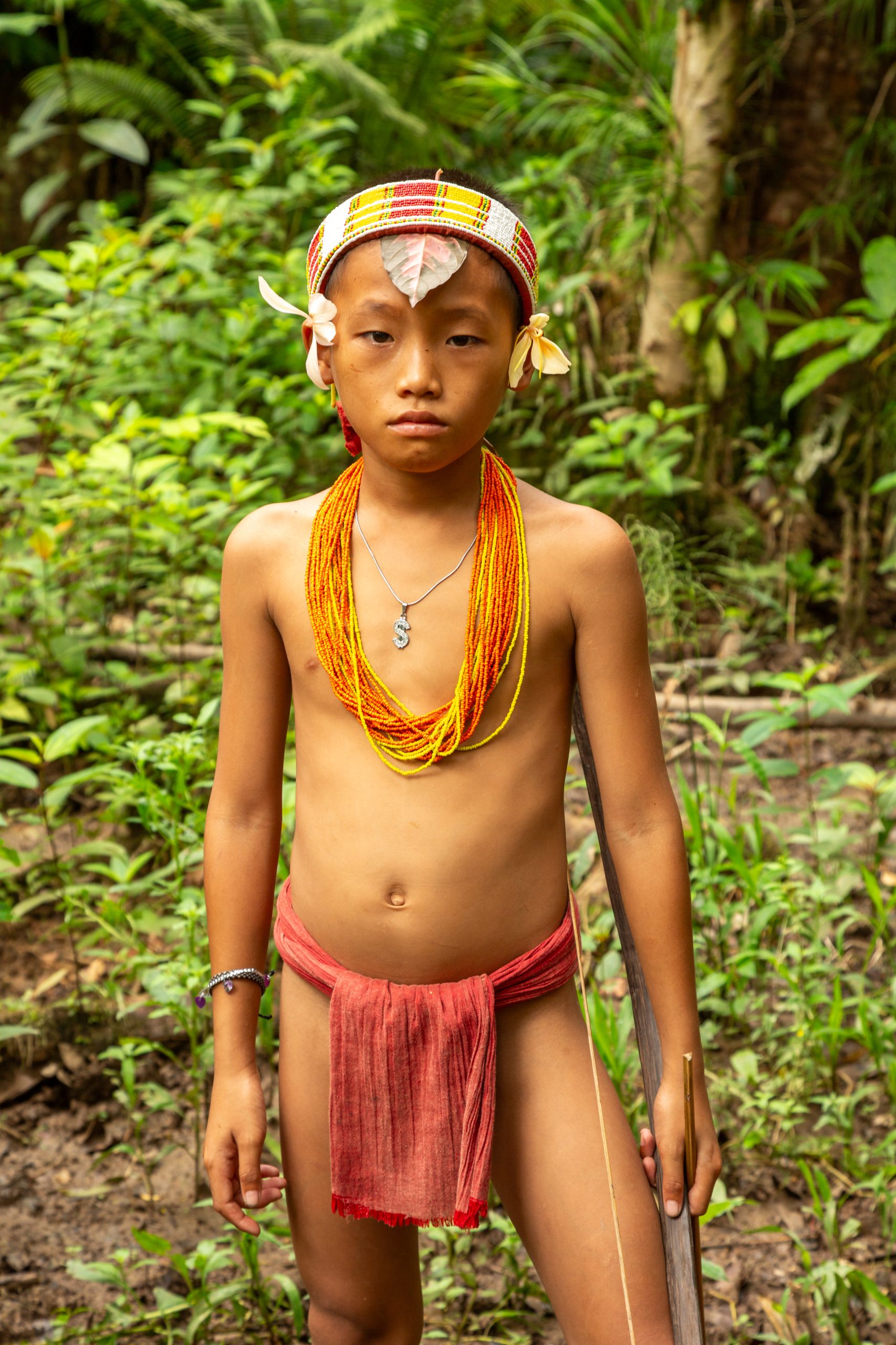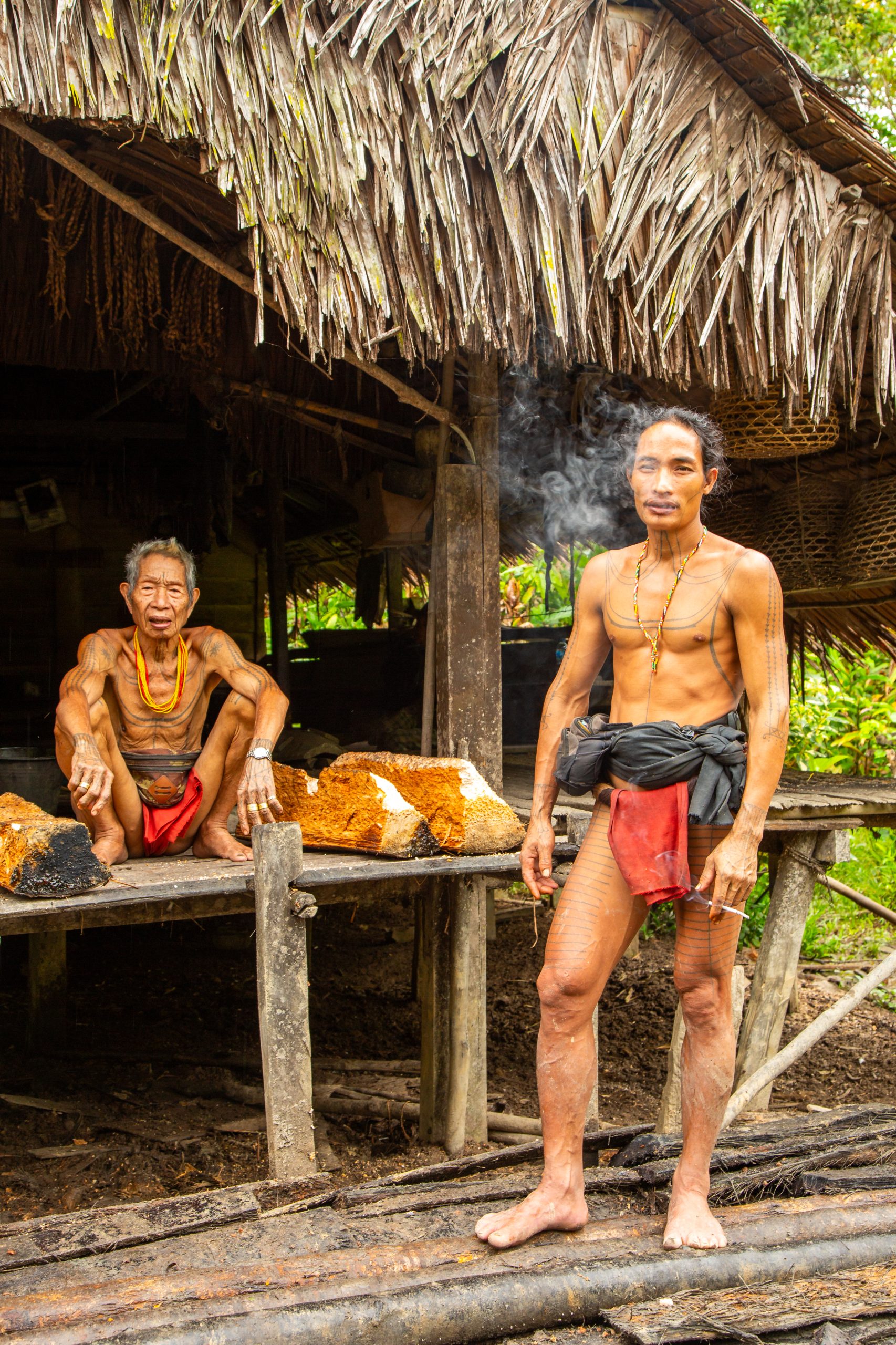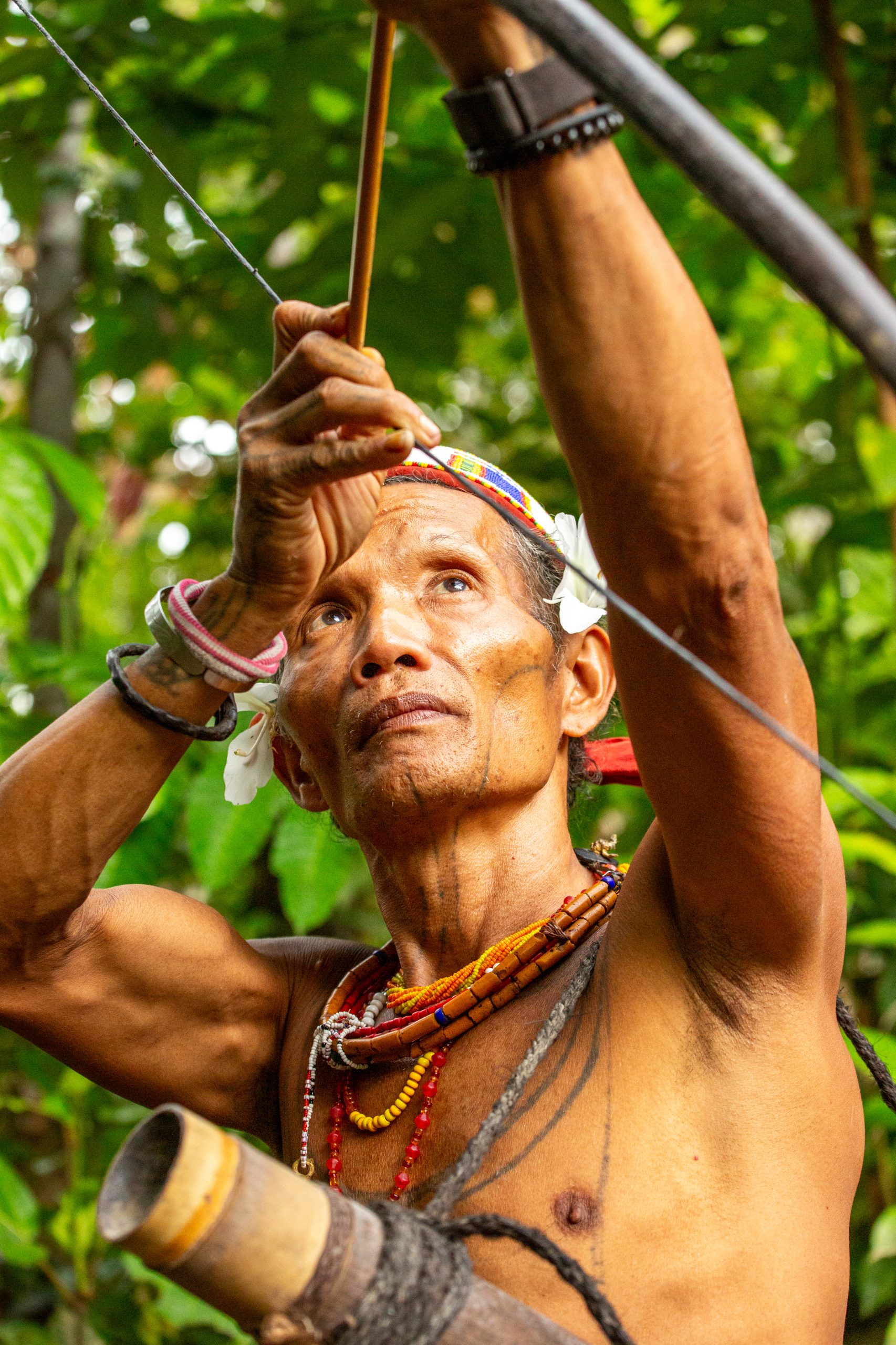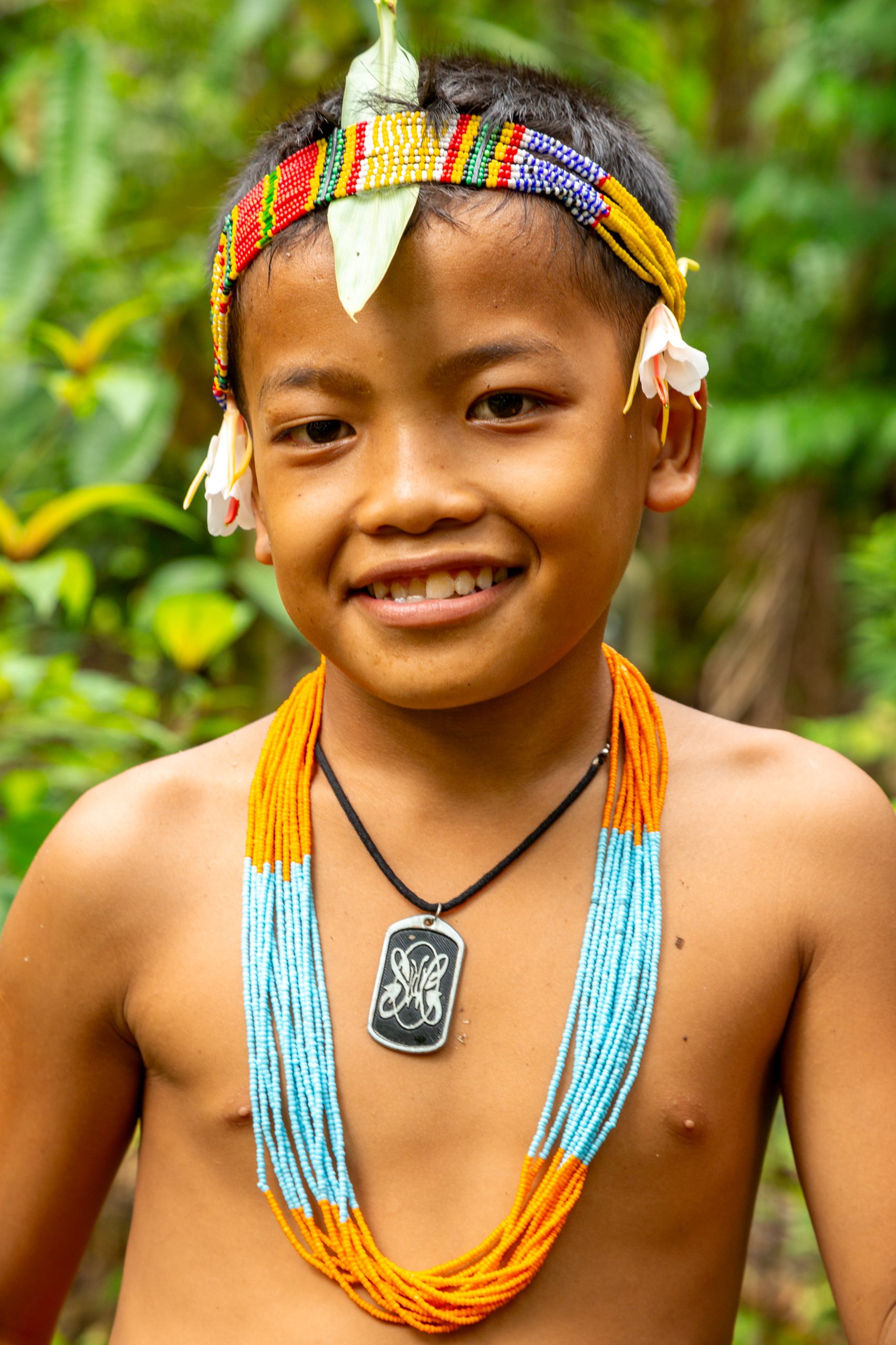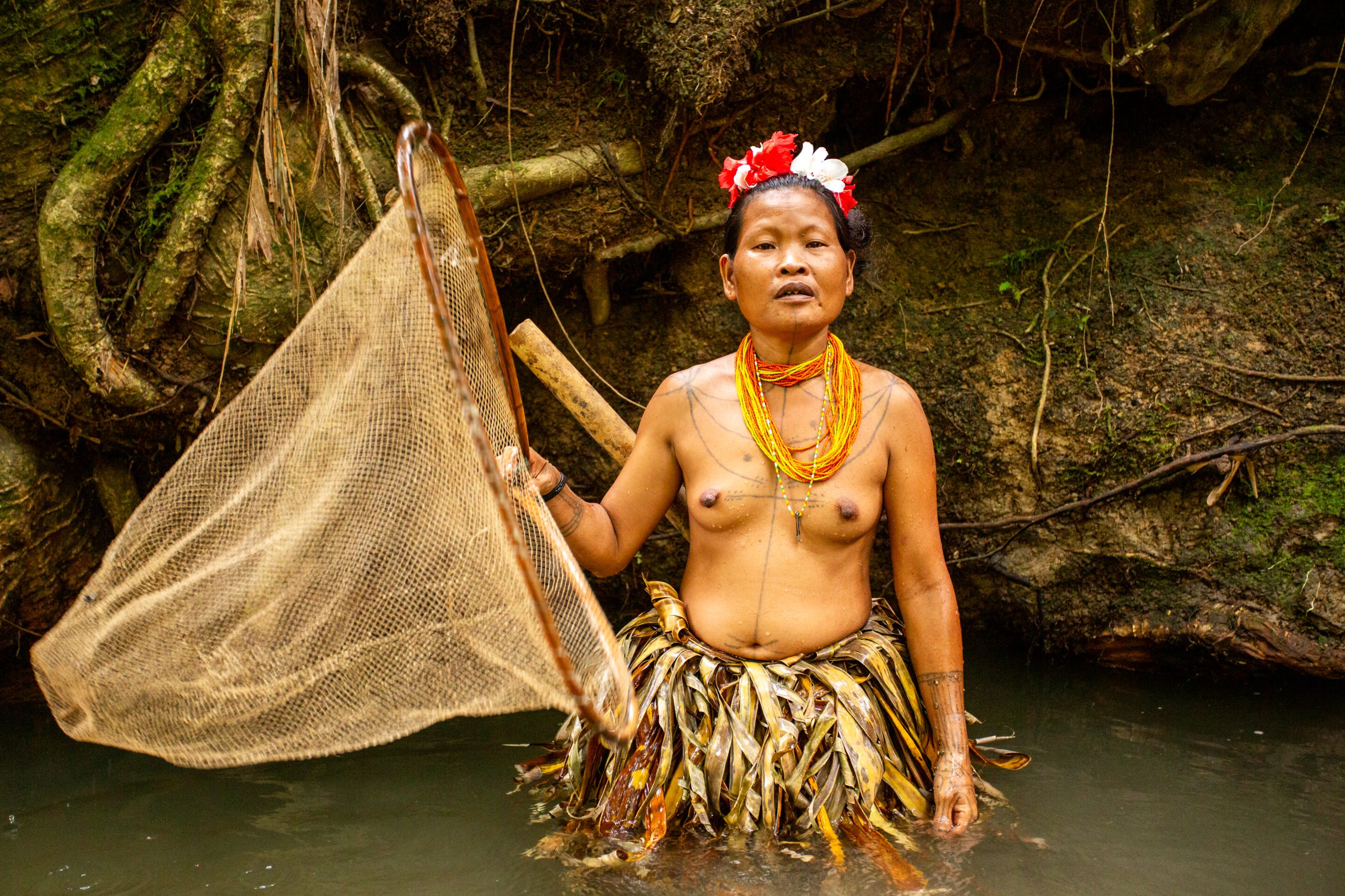
The Mentawai, an indigenous population, inhabit the Mentawai Islands off the west coast of Sumatra, Indonesia, numbering around 64,000 people. Their lifestyle is characterized by a close connection with nature and traditional practices such as hunting, fishing, and gathering. Among the Mentawai, about 1,000 people live semi-nomadically amidst the tropical forests. Within their community, there are clear divisions of roles between women and men, but no hierarchies or class distinctions. The Mentawai have always defended their habitat and traditional way of life against attempts at missionary activities, Indonesian settlement policies, environmental destruction, and Islamist influences.
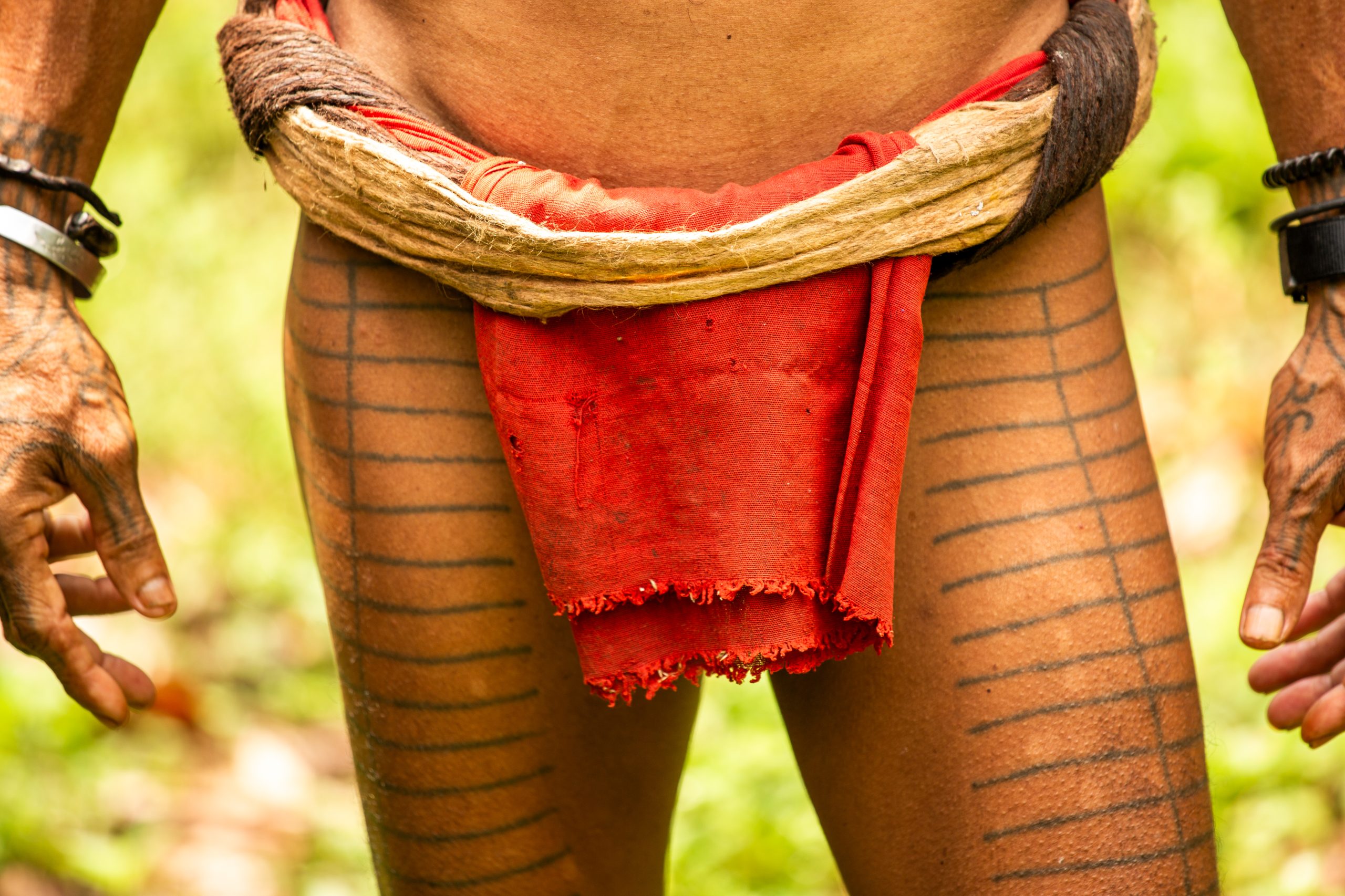
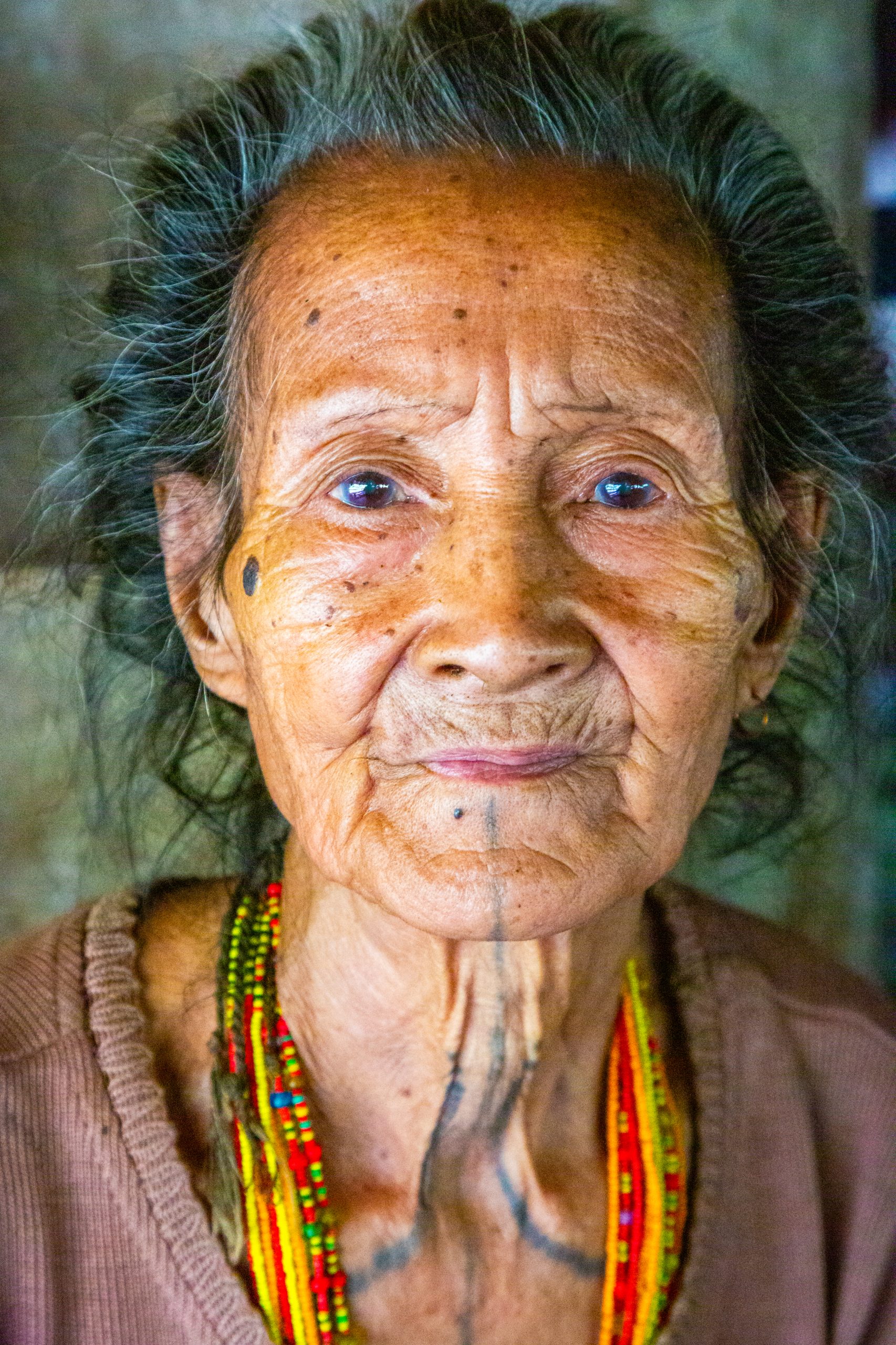
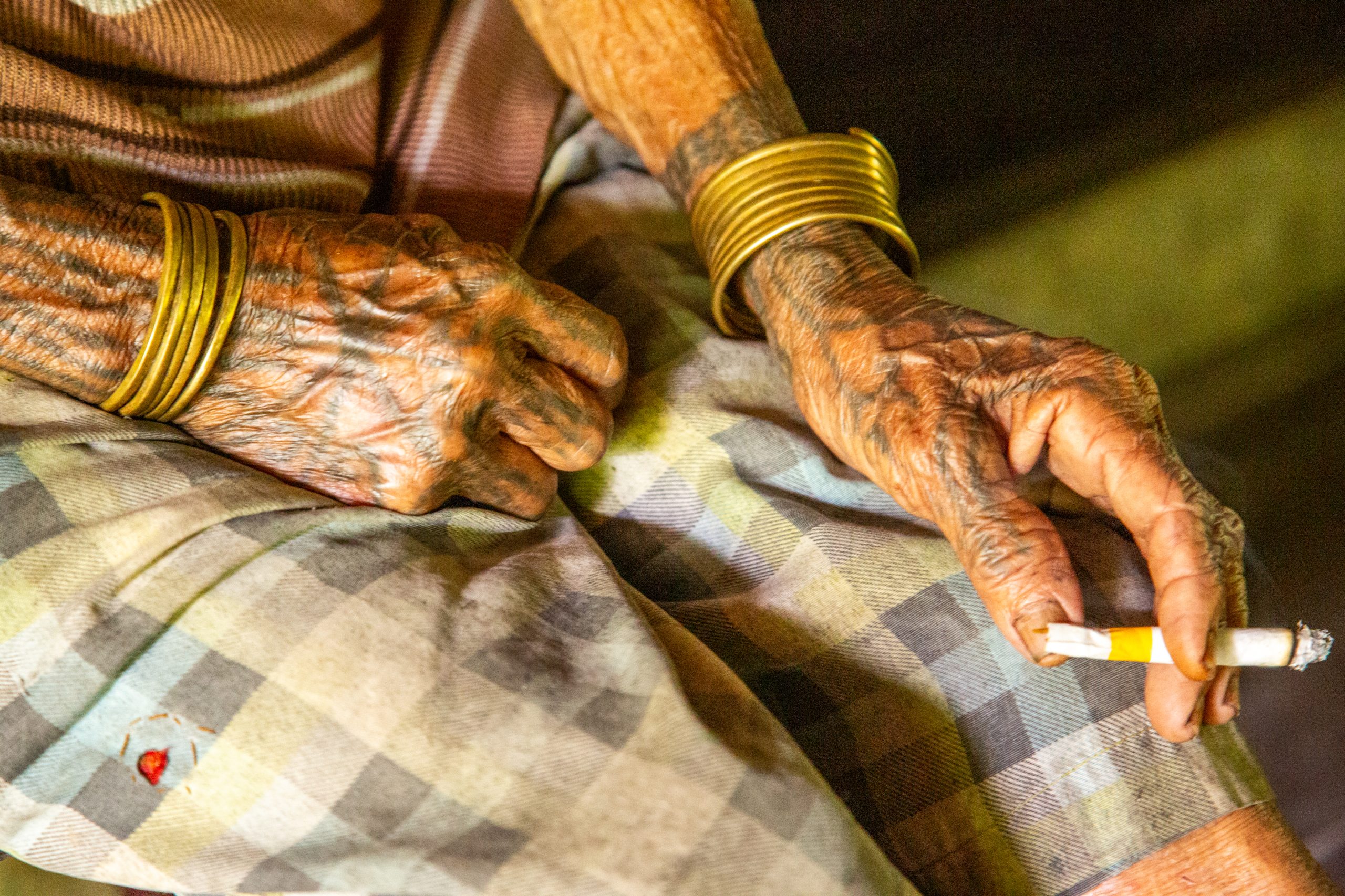
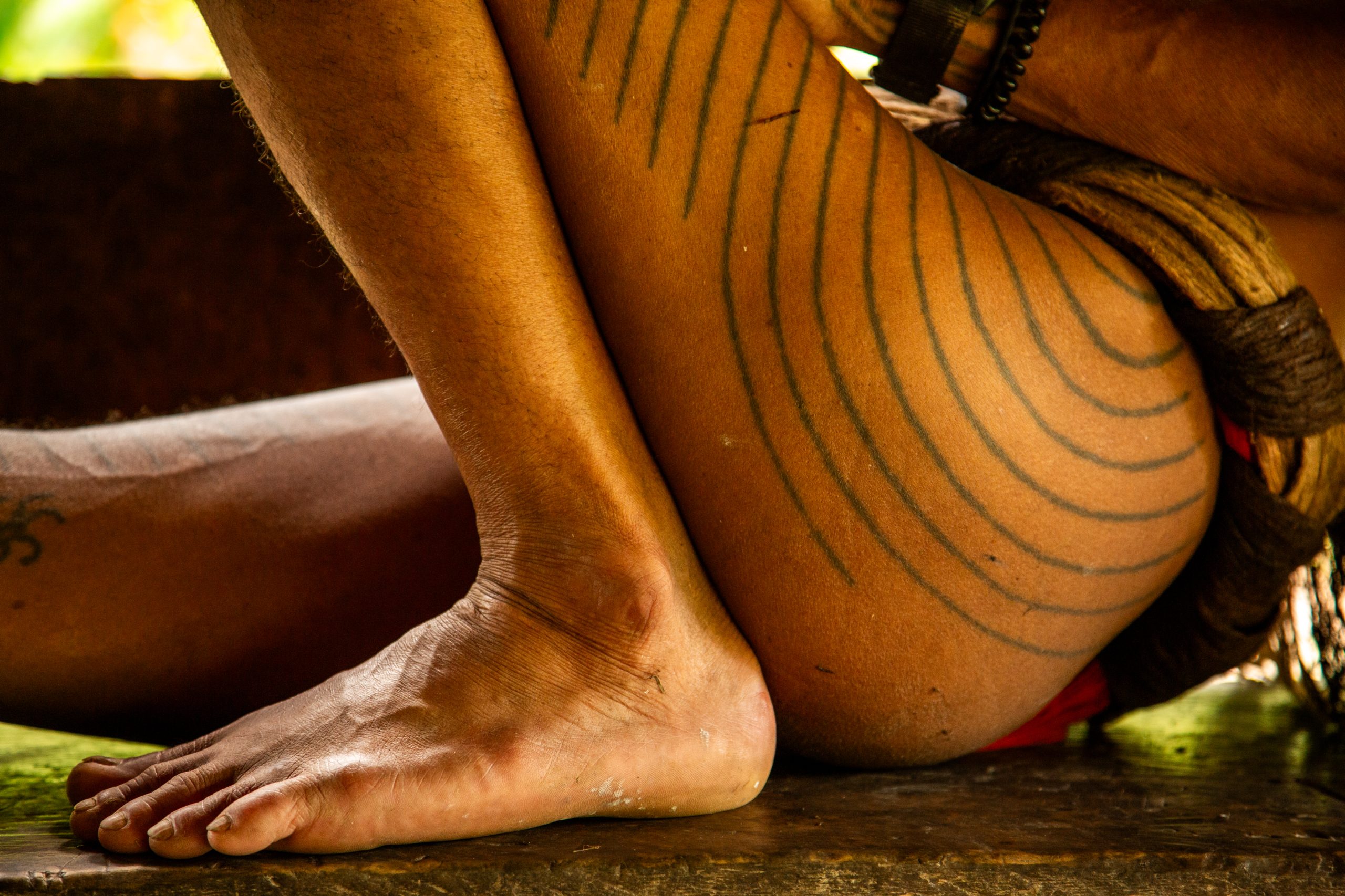
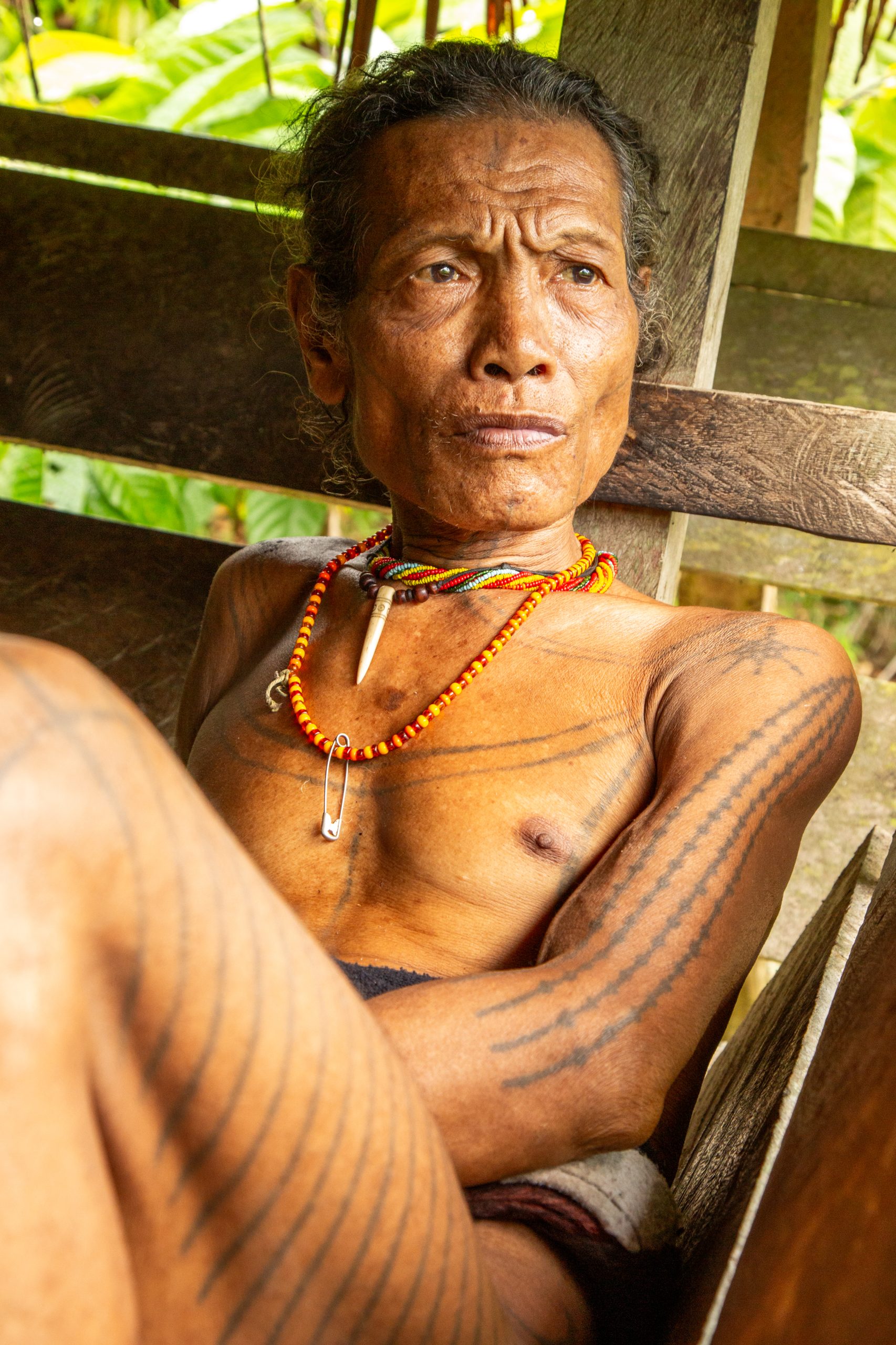
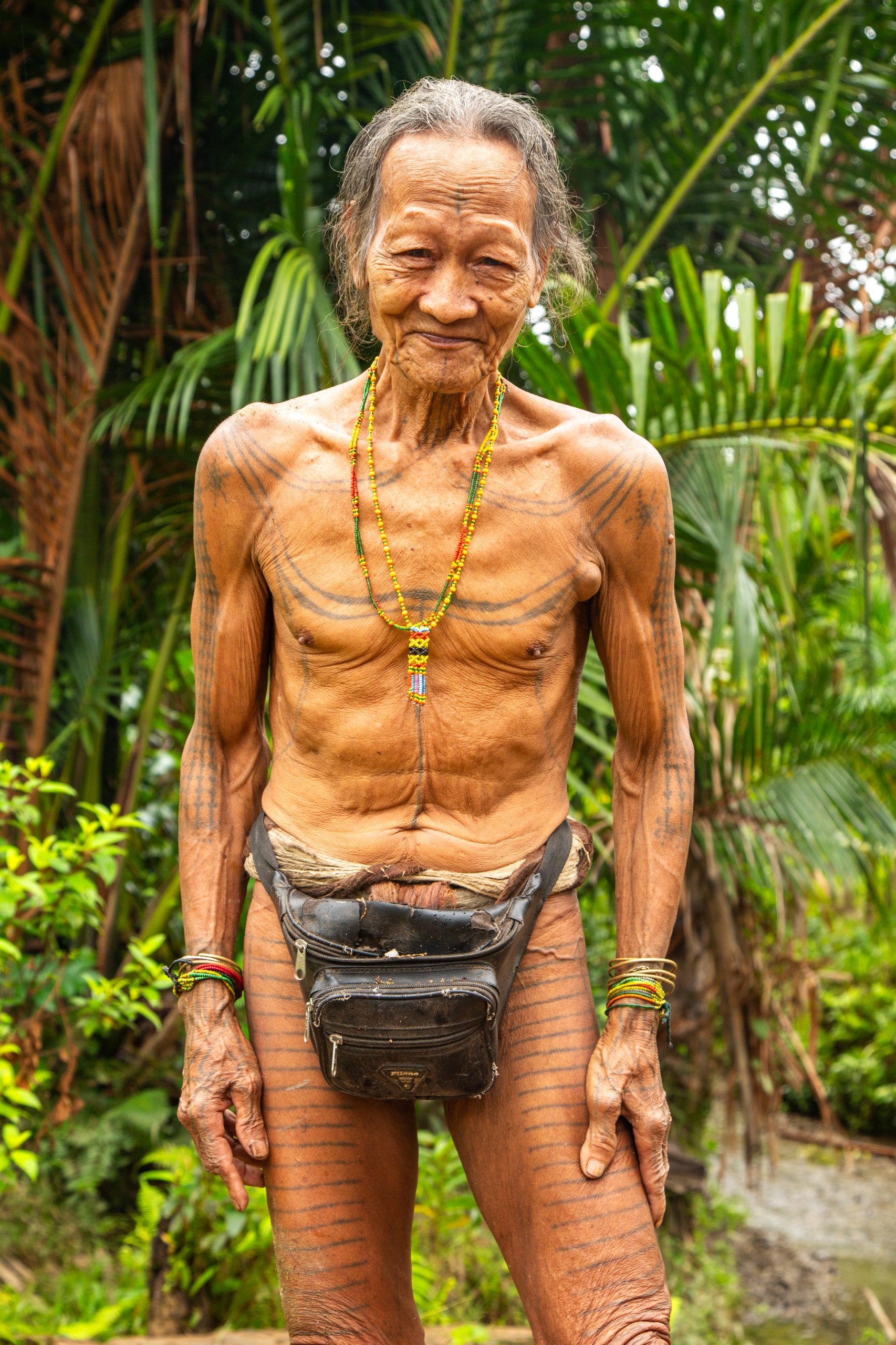
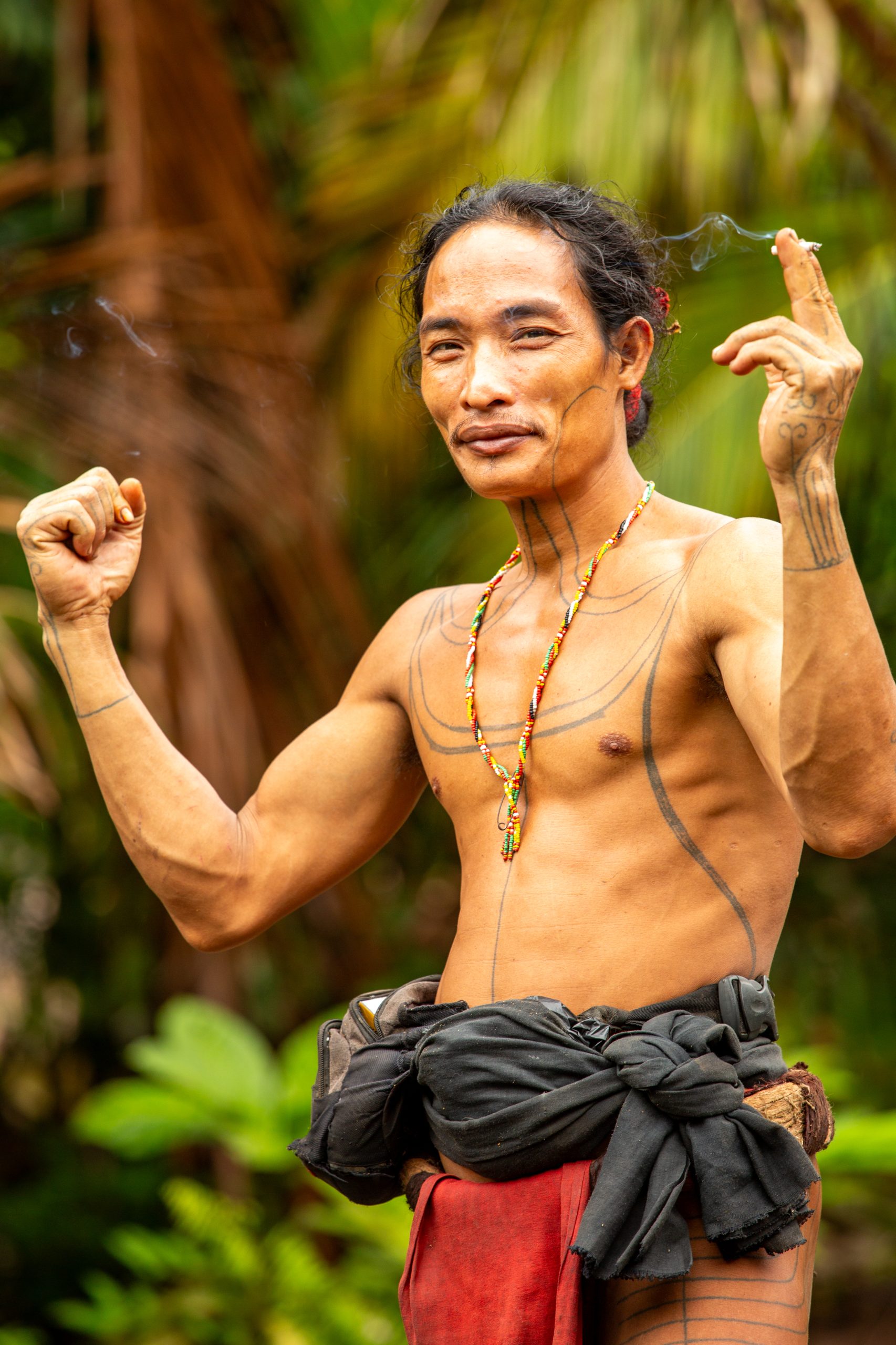
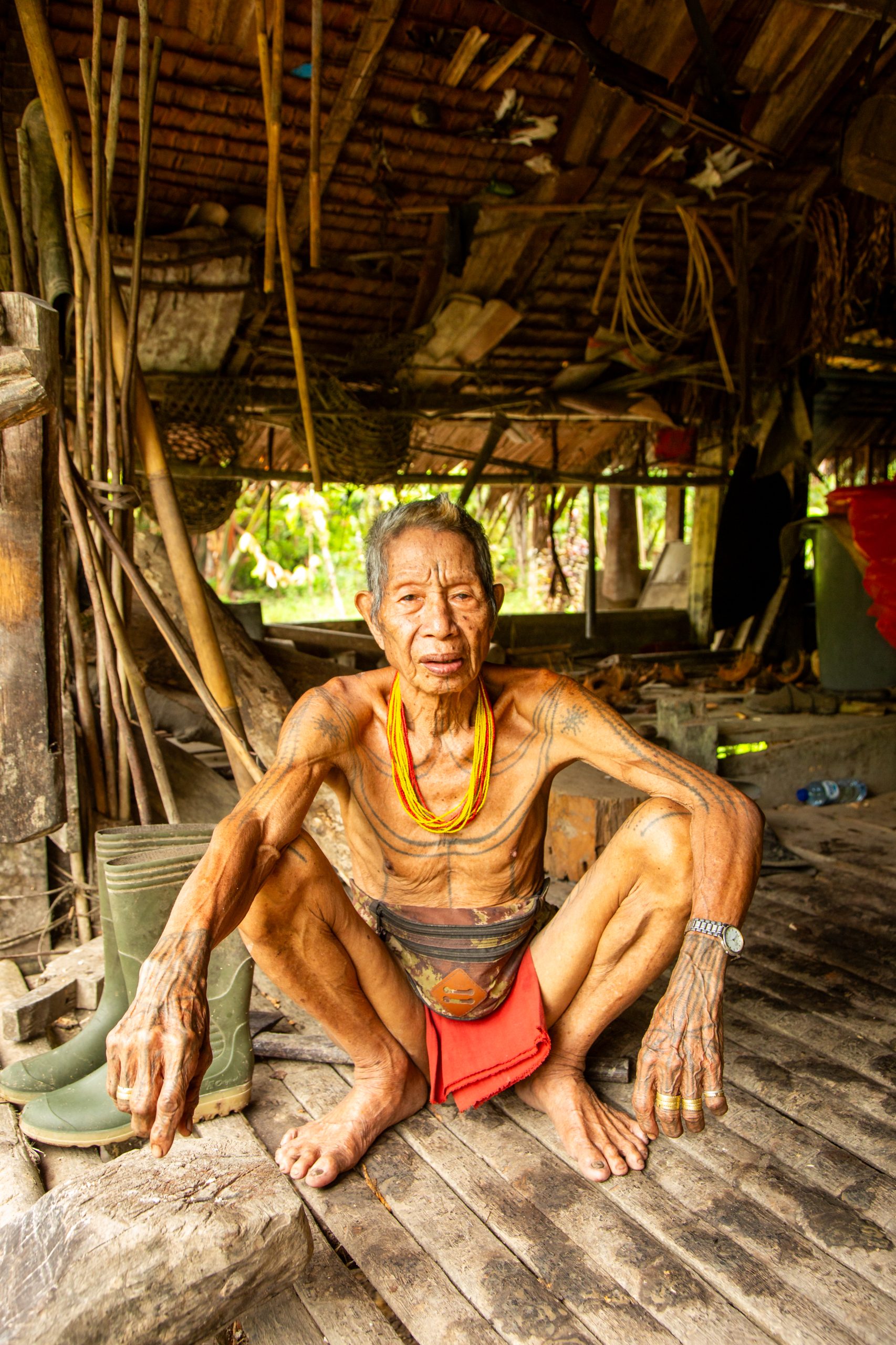
The tattoos of the Mentawai are much more than just adornments; they are expressions of their connection with nature and their pride. Starting from the age of eleven, the achievements and tests of women and men are gradually recorded on their bodies. These tattoos serve as codes that reveal information about the social status, hunting skills, and other talents of the wearers. In the past, the Mentawai also filed their teeth to a point. The tattoos are performed as part of small rituals, using a color-soaked thorn from a lemon tree branch as well as bone splinters or sharpened pieces of bark to hammer the natural ink made from sugarcane and soot into the skin with quick rhythmic movements.
Despite past challenges and discrimination, the Mentawai preserve their culture and way of life. Their future depends on how well they can preserve their traditions and how they adapt to changing societal and ecological conditions.