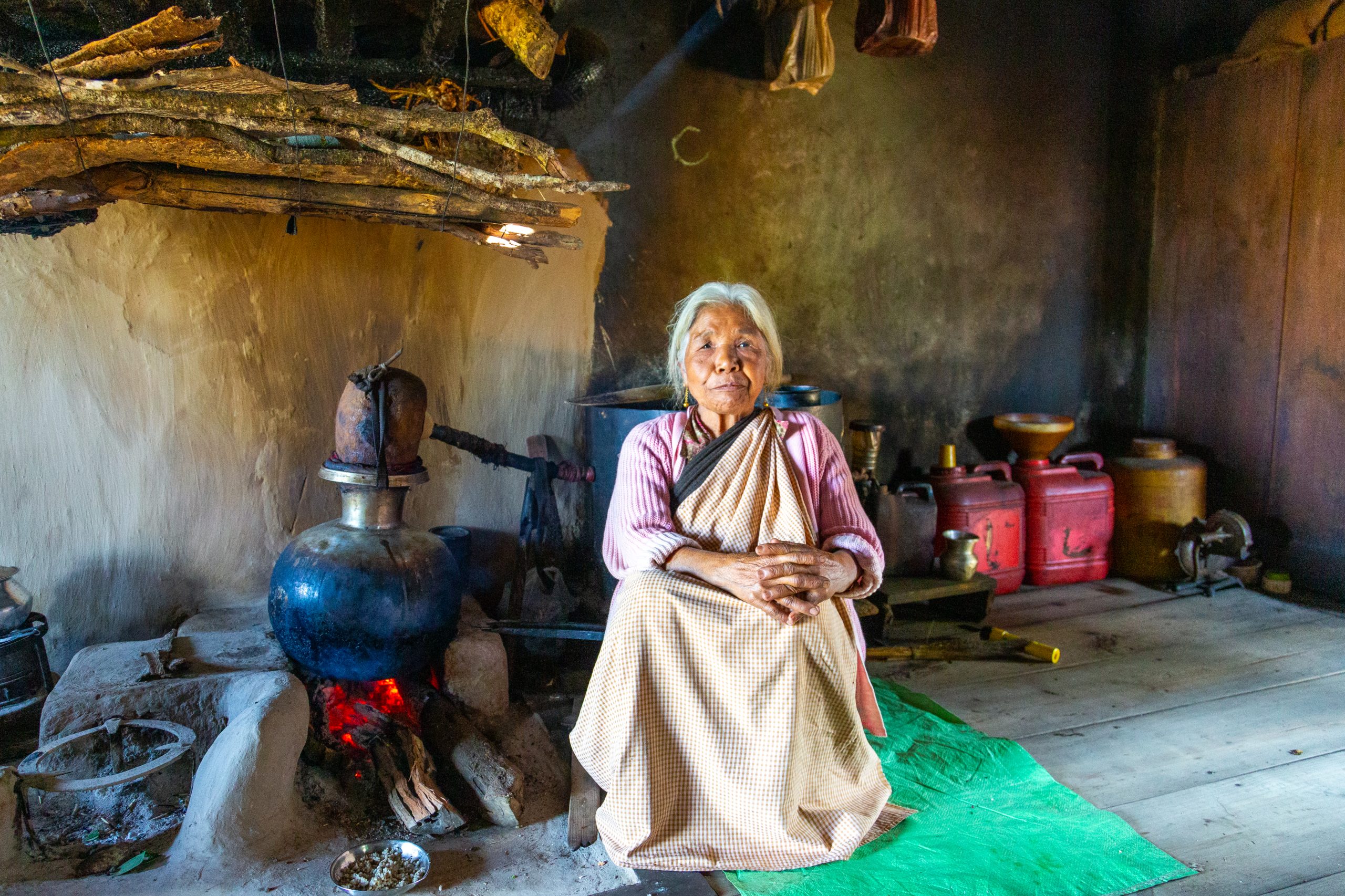
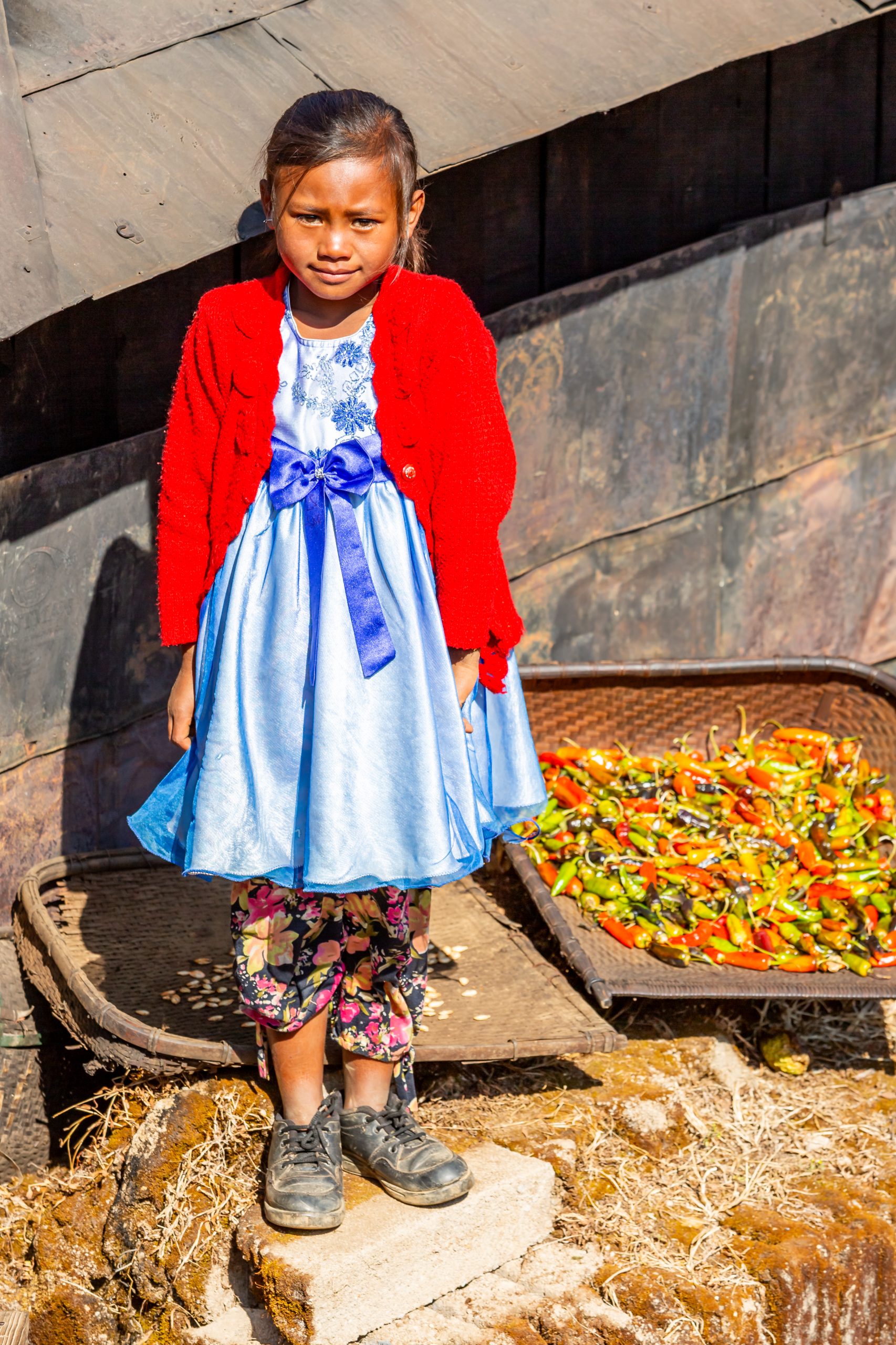
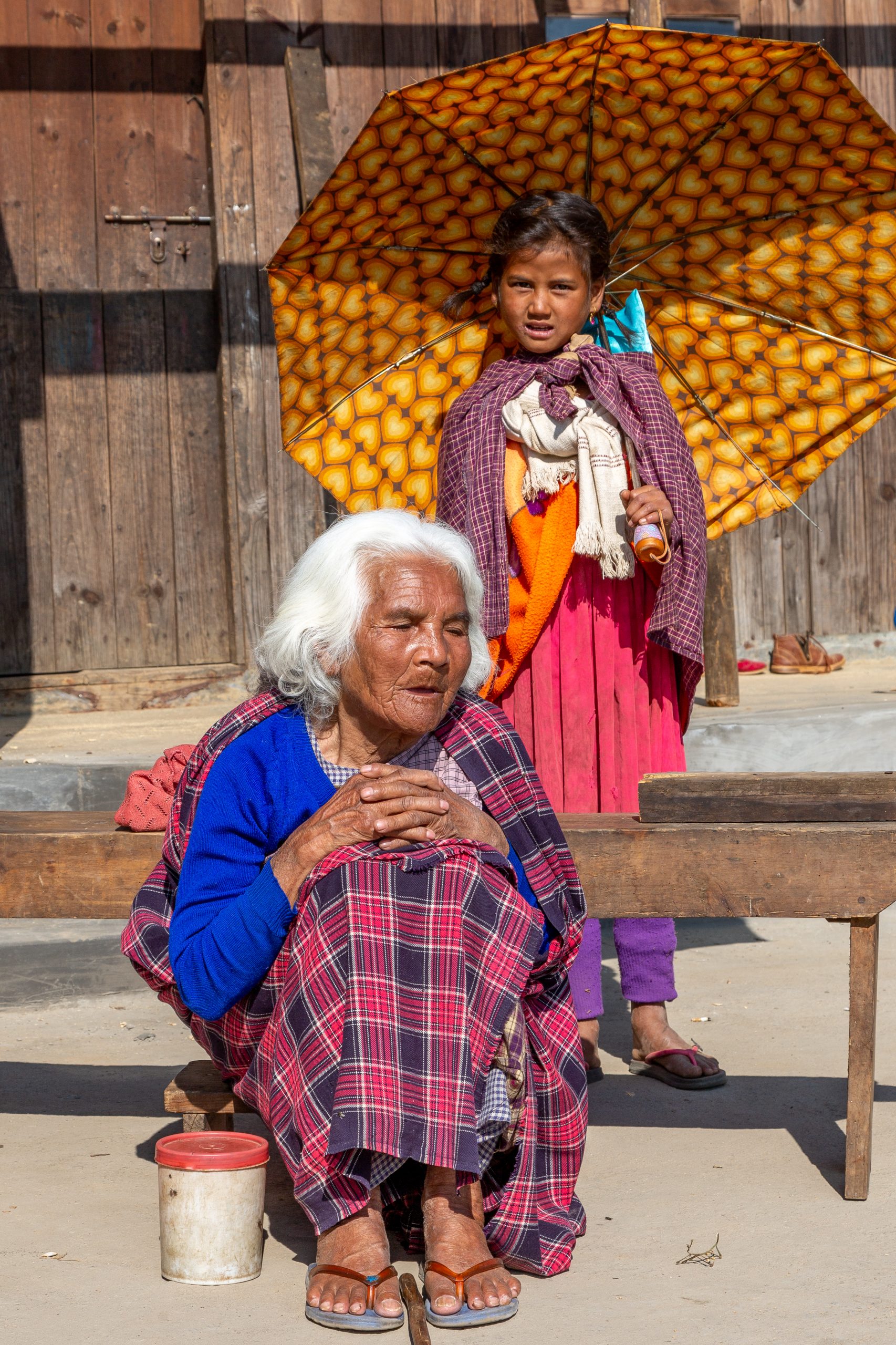
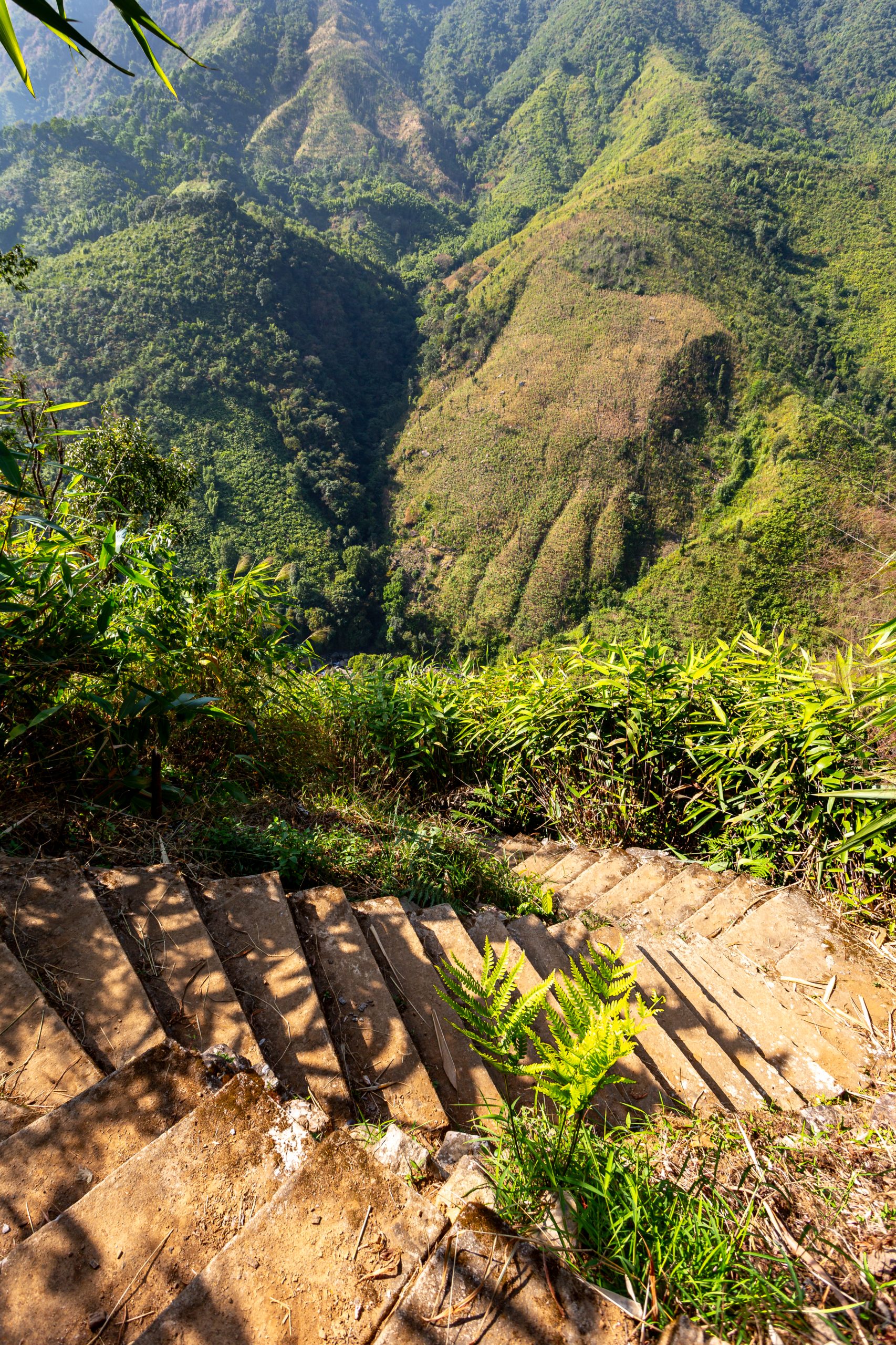
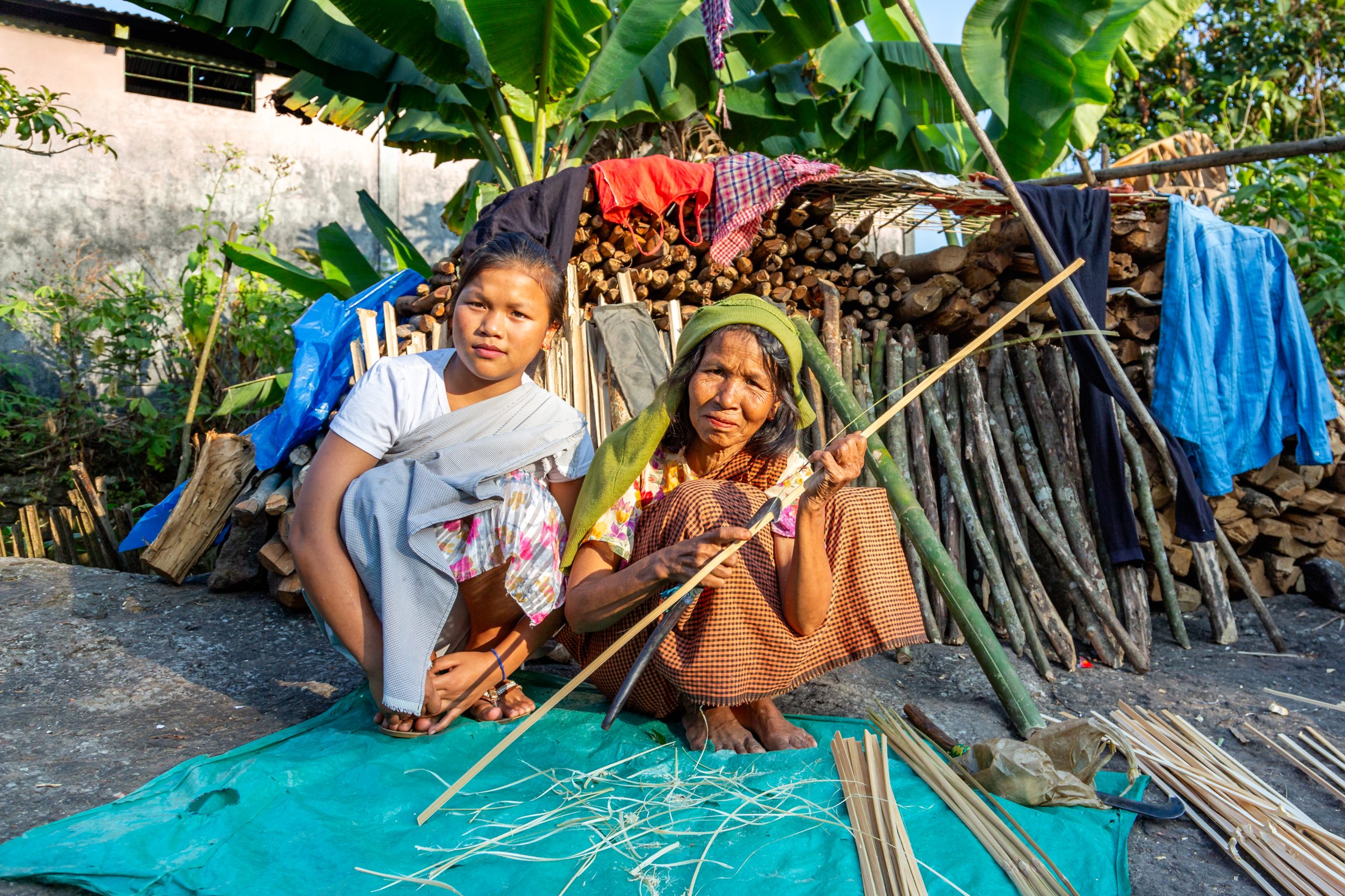
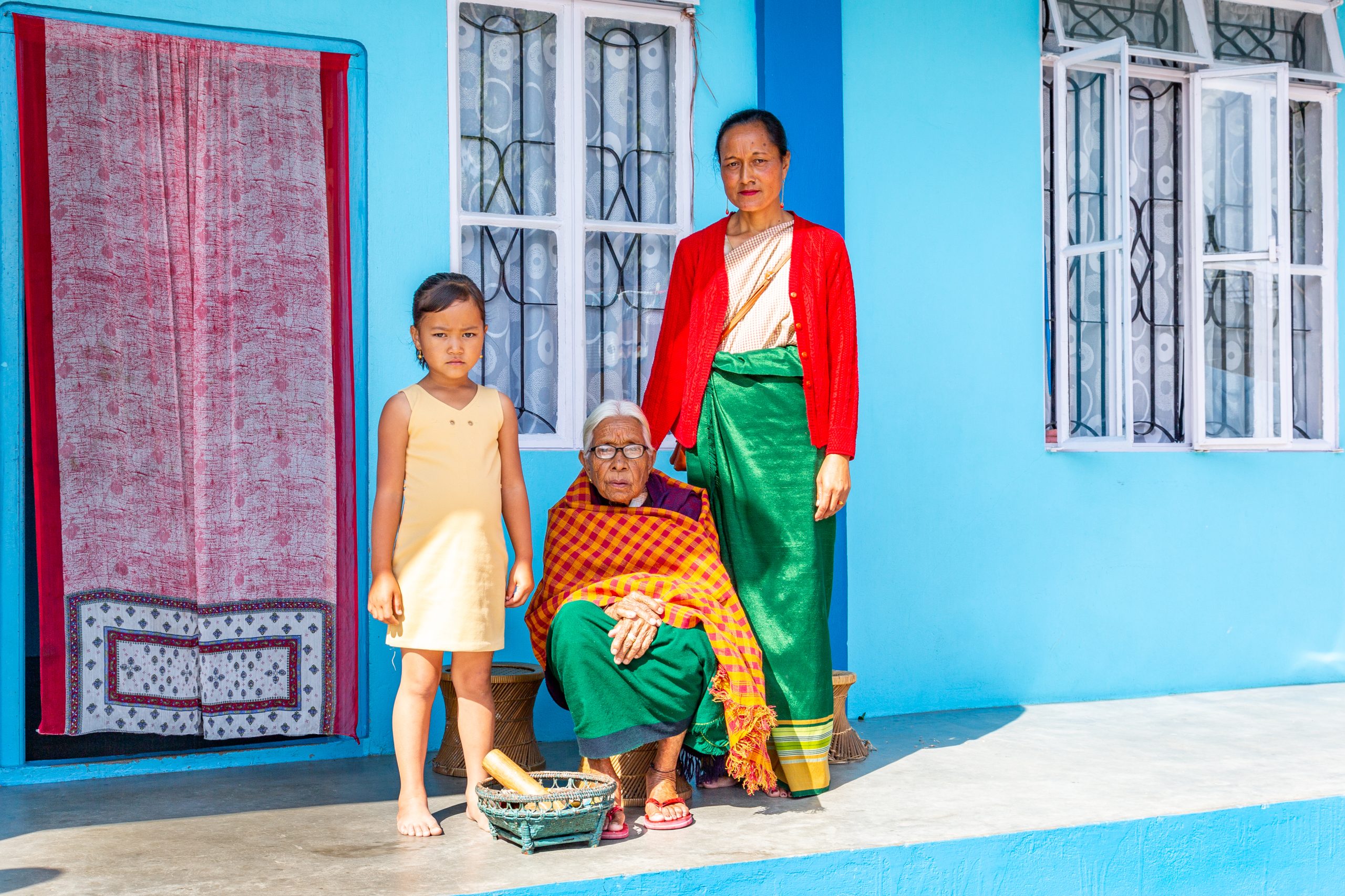
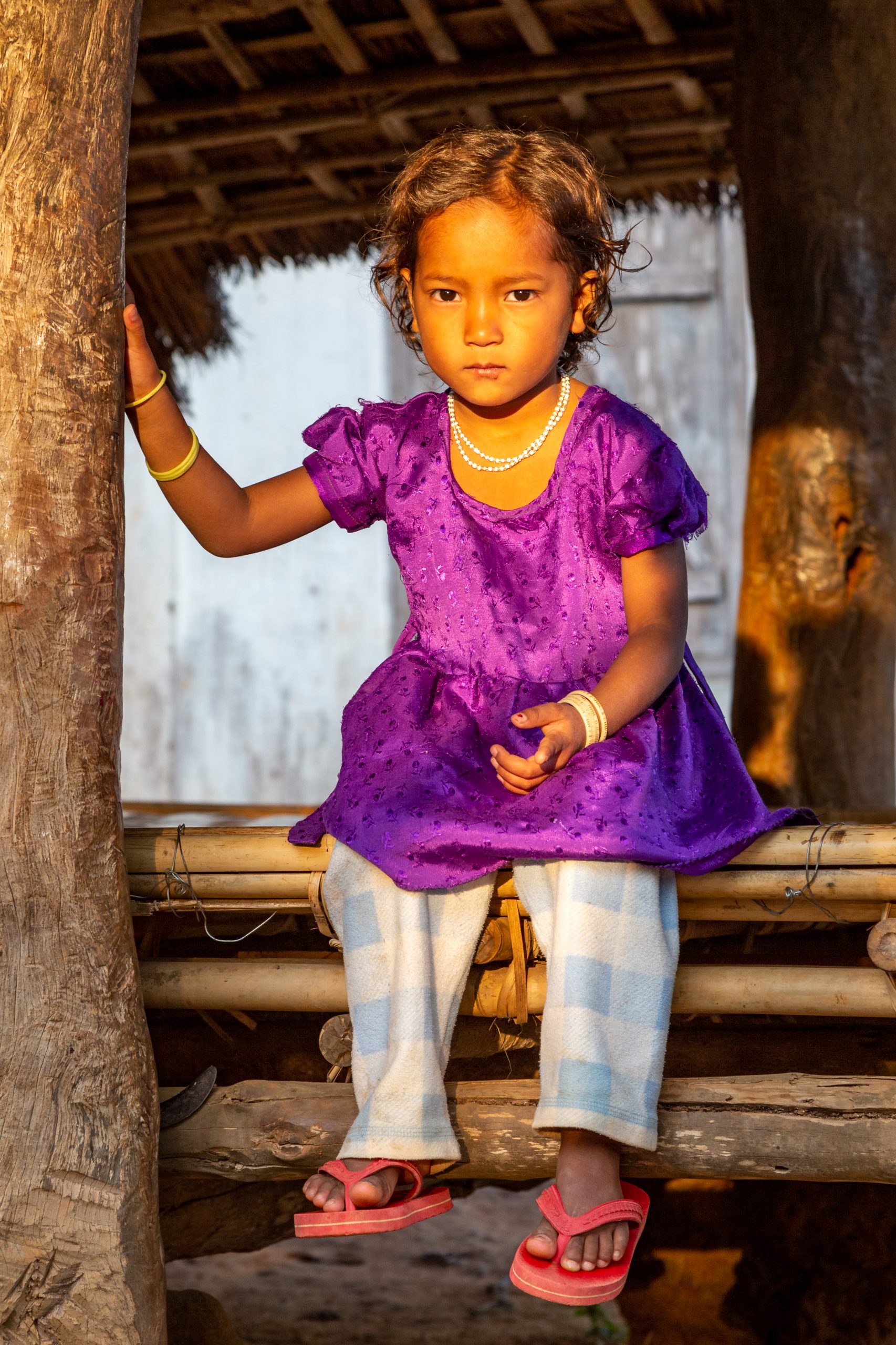
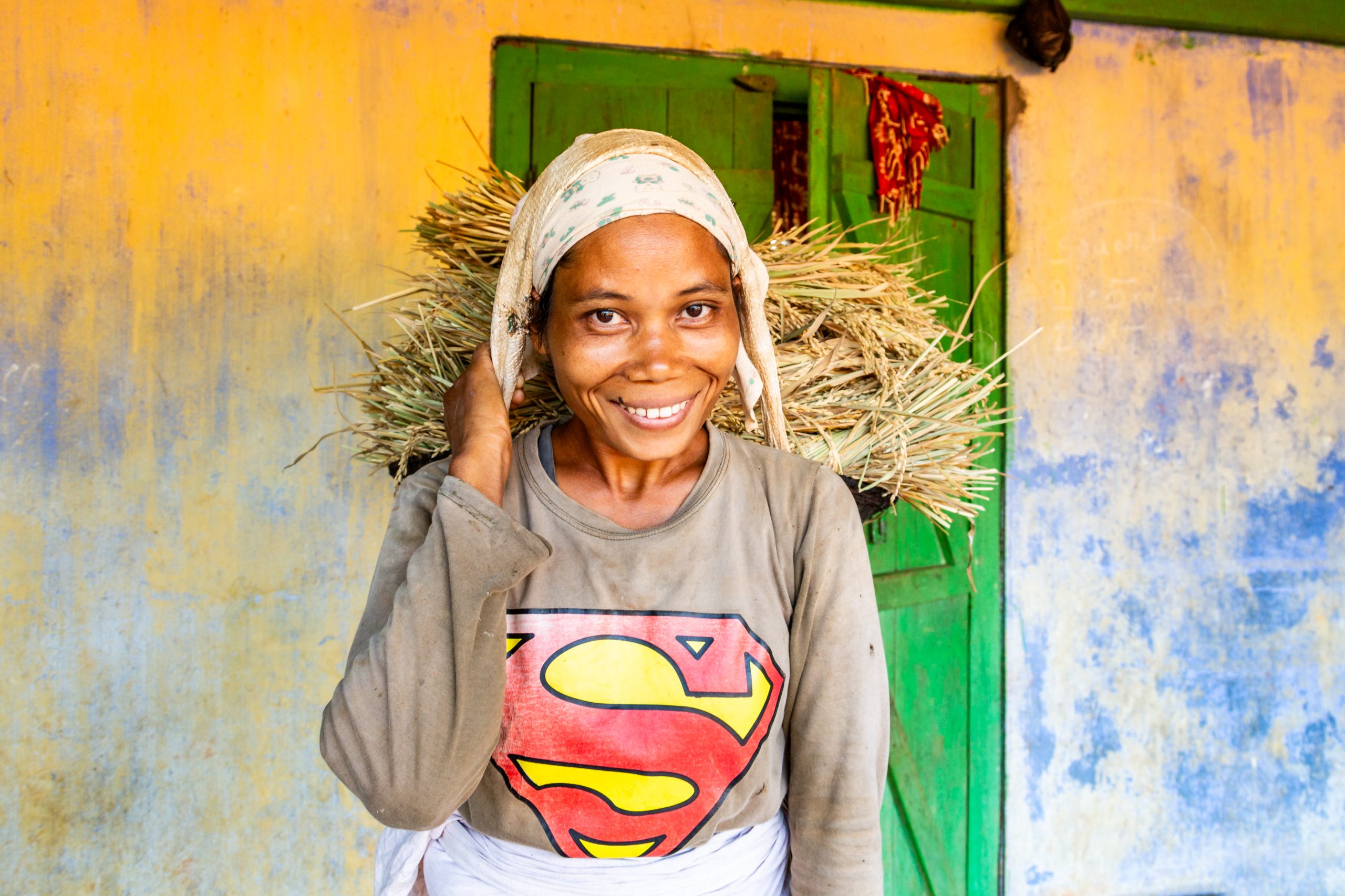
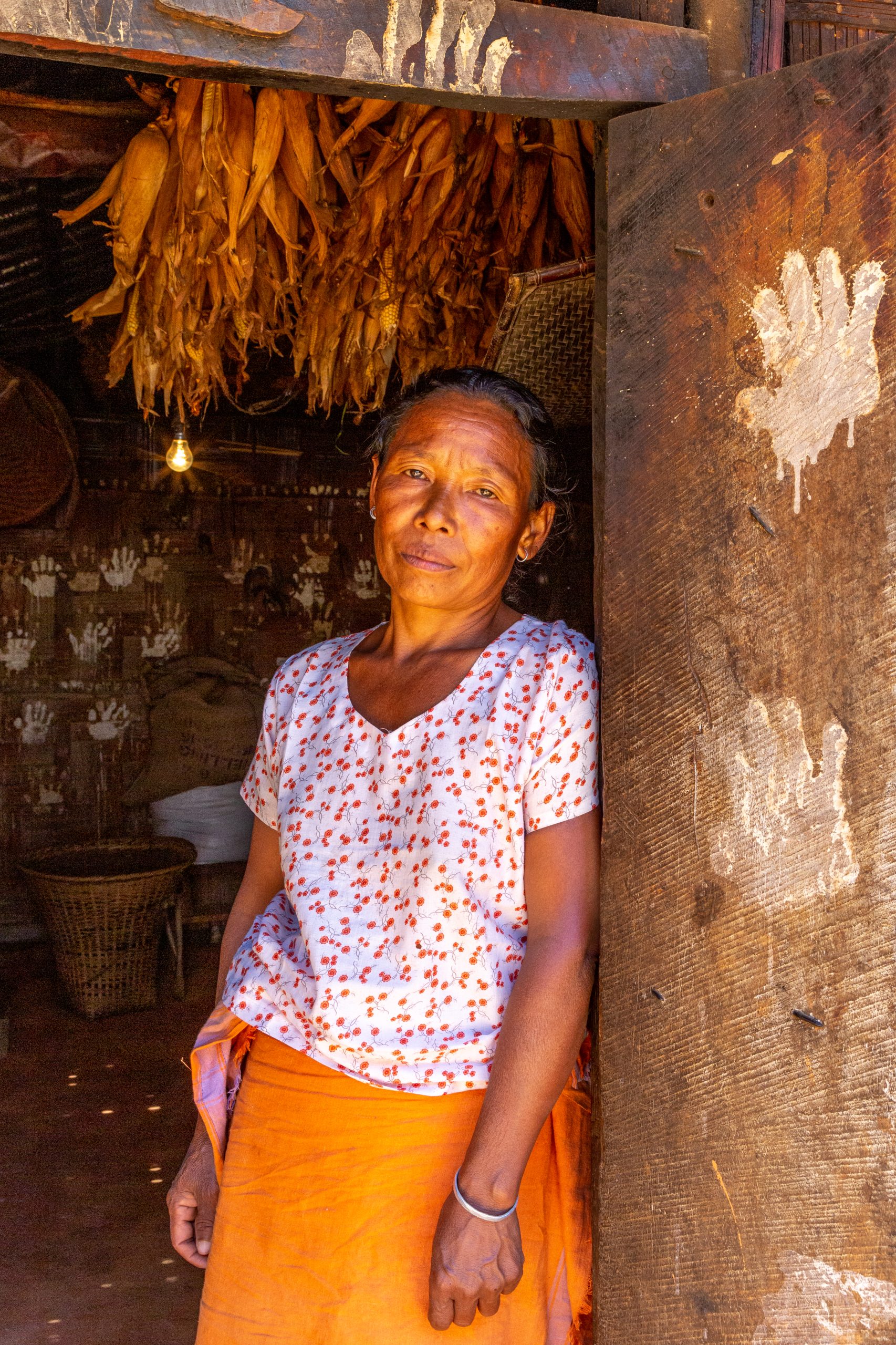
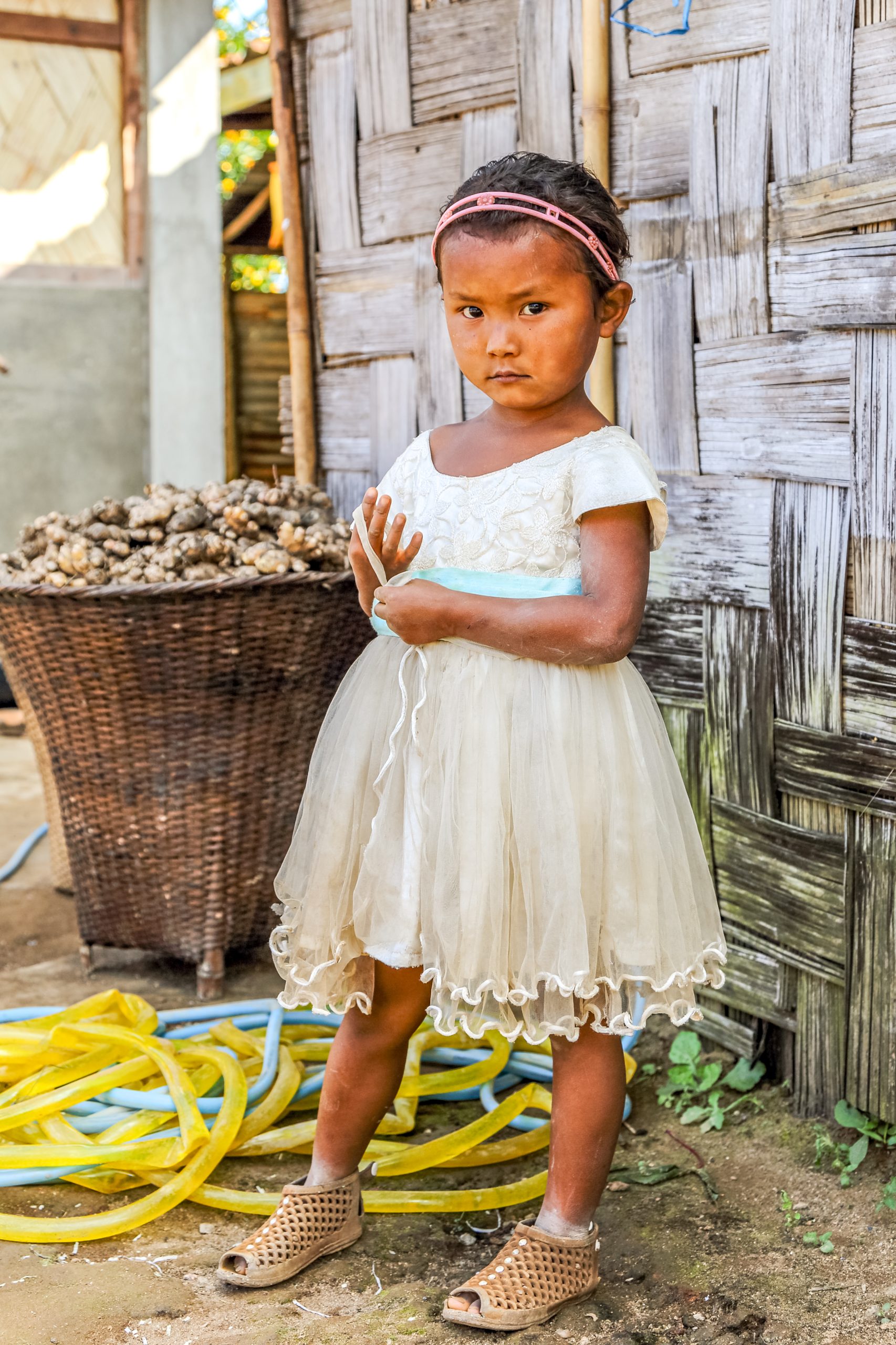
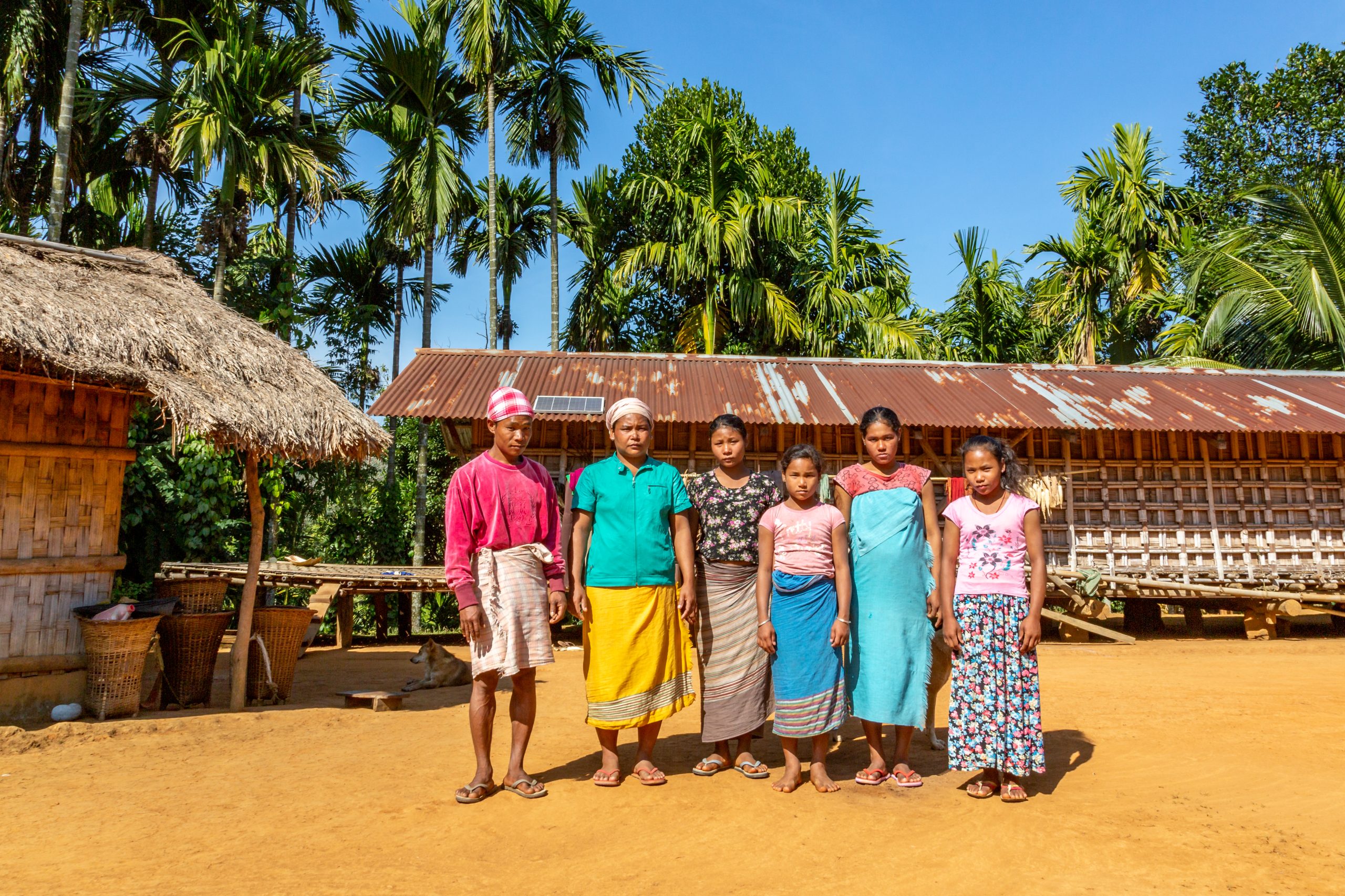
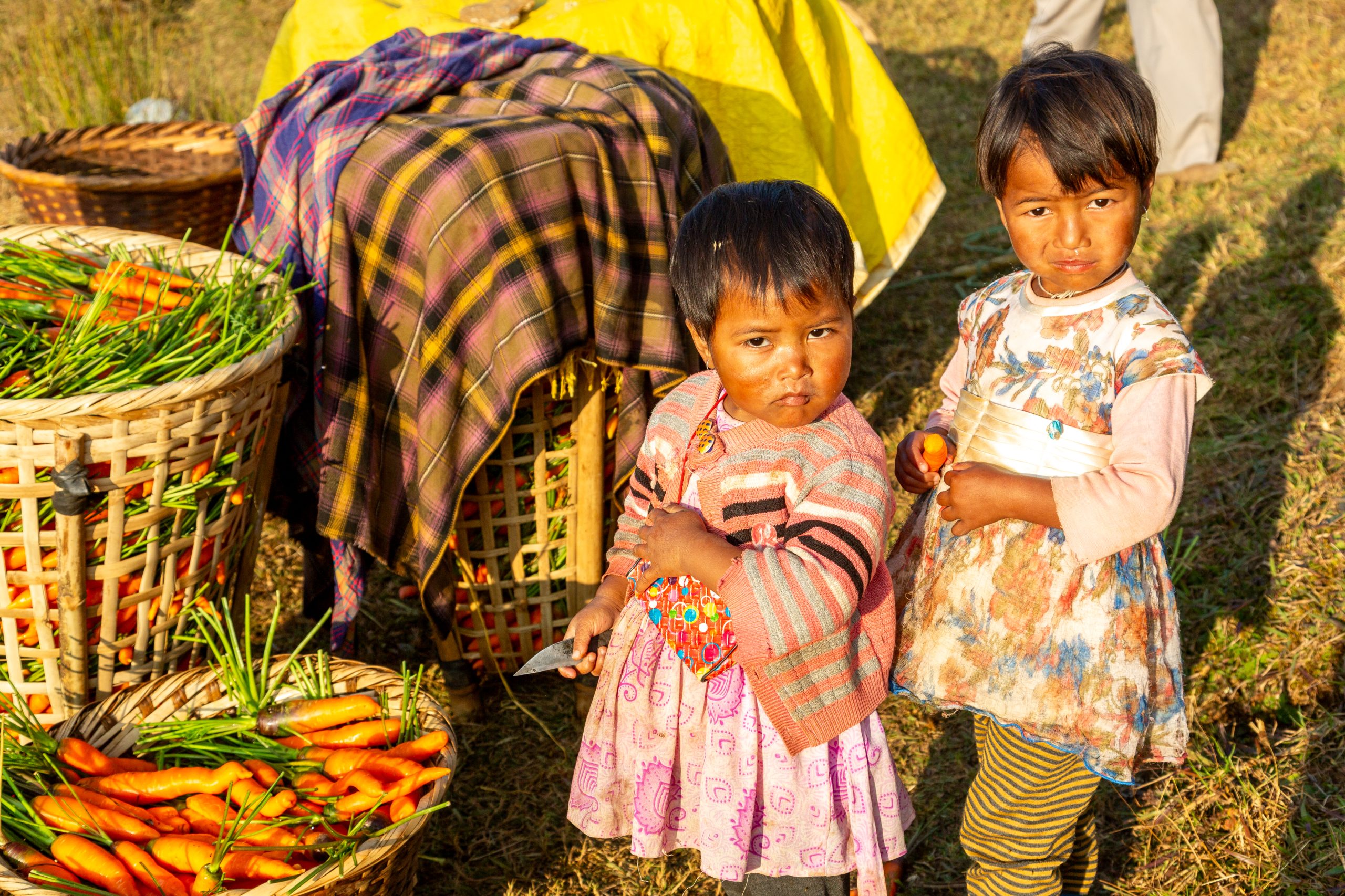
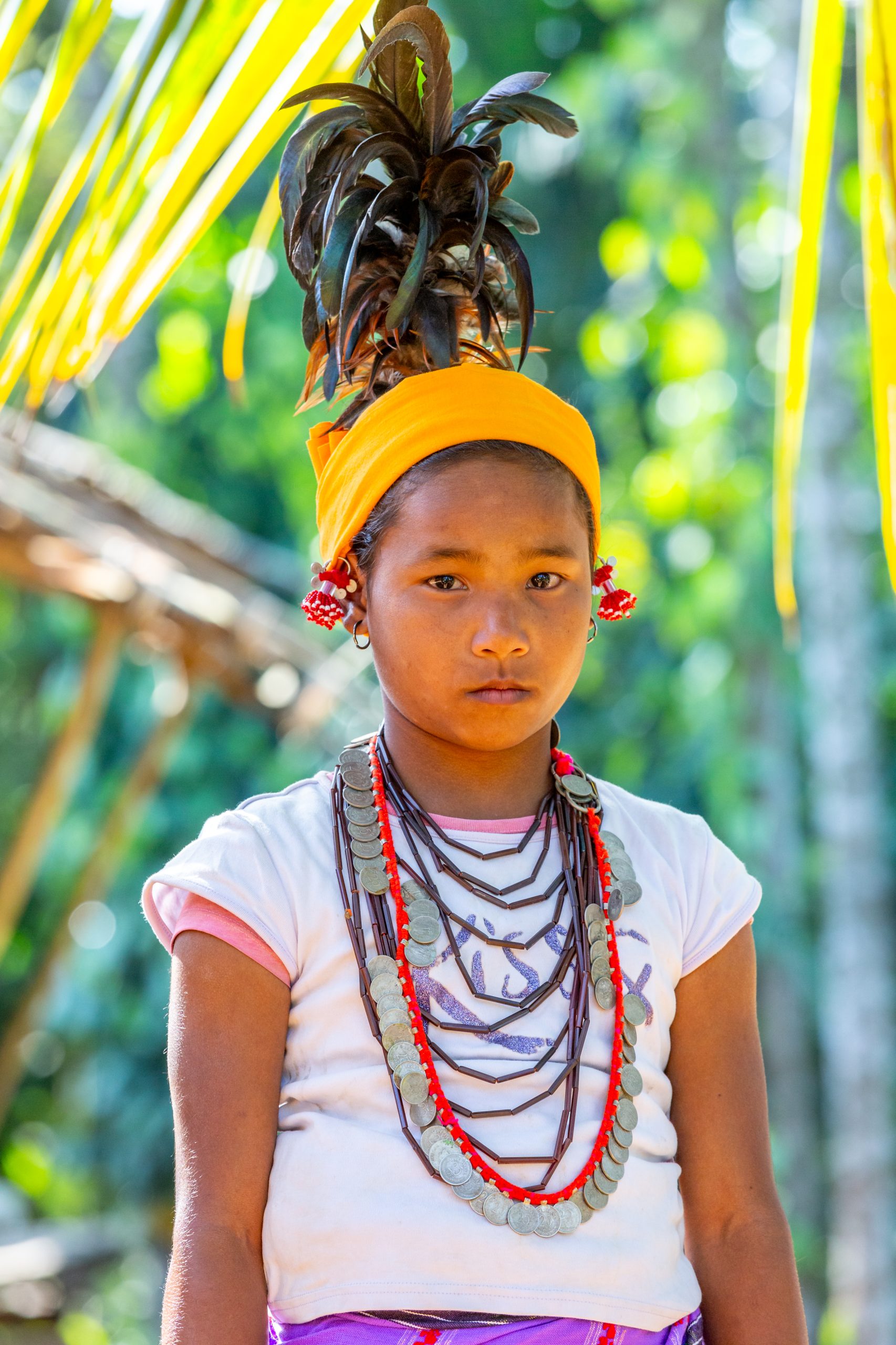
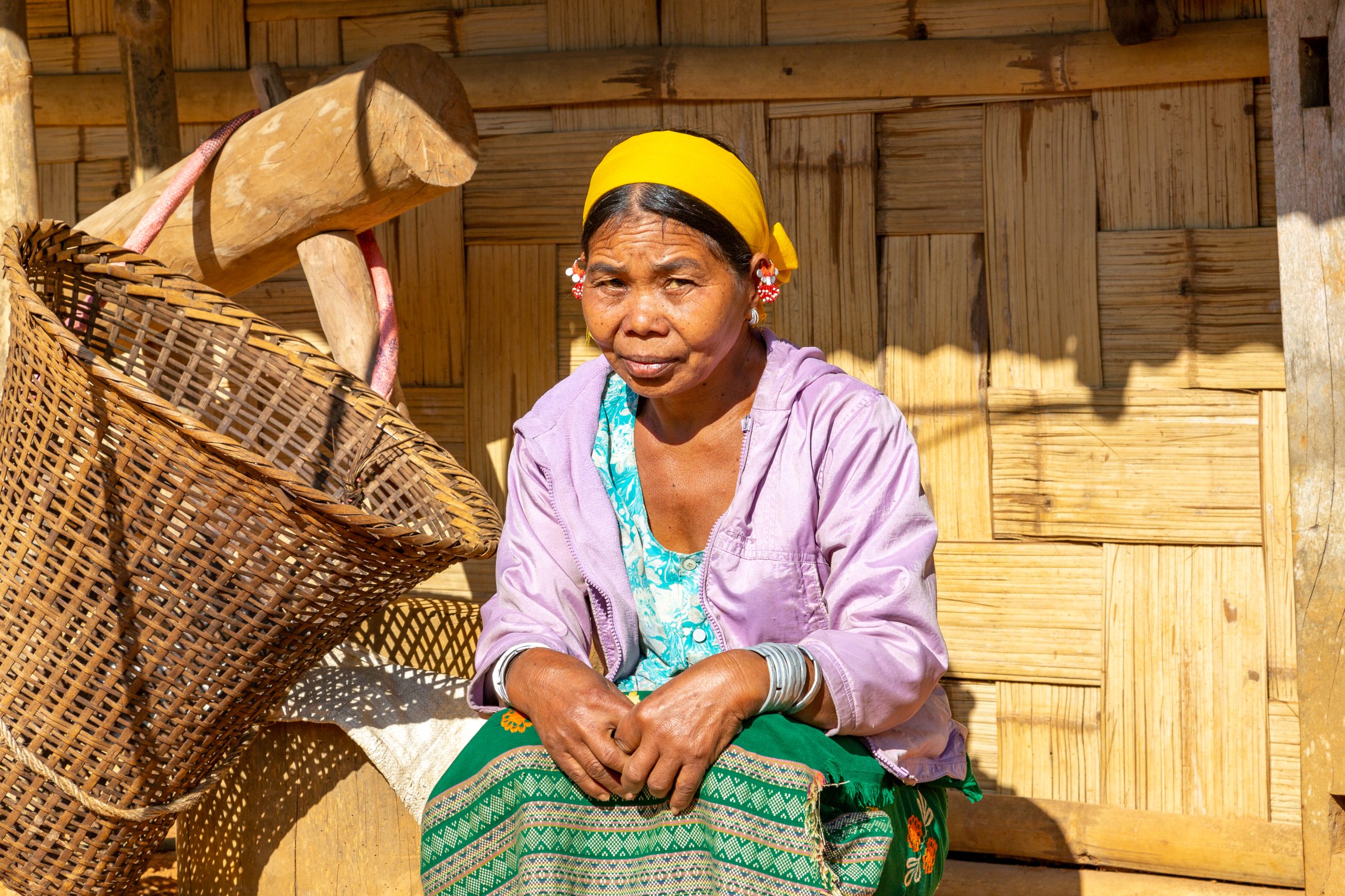
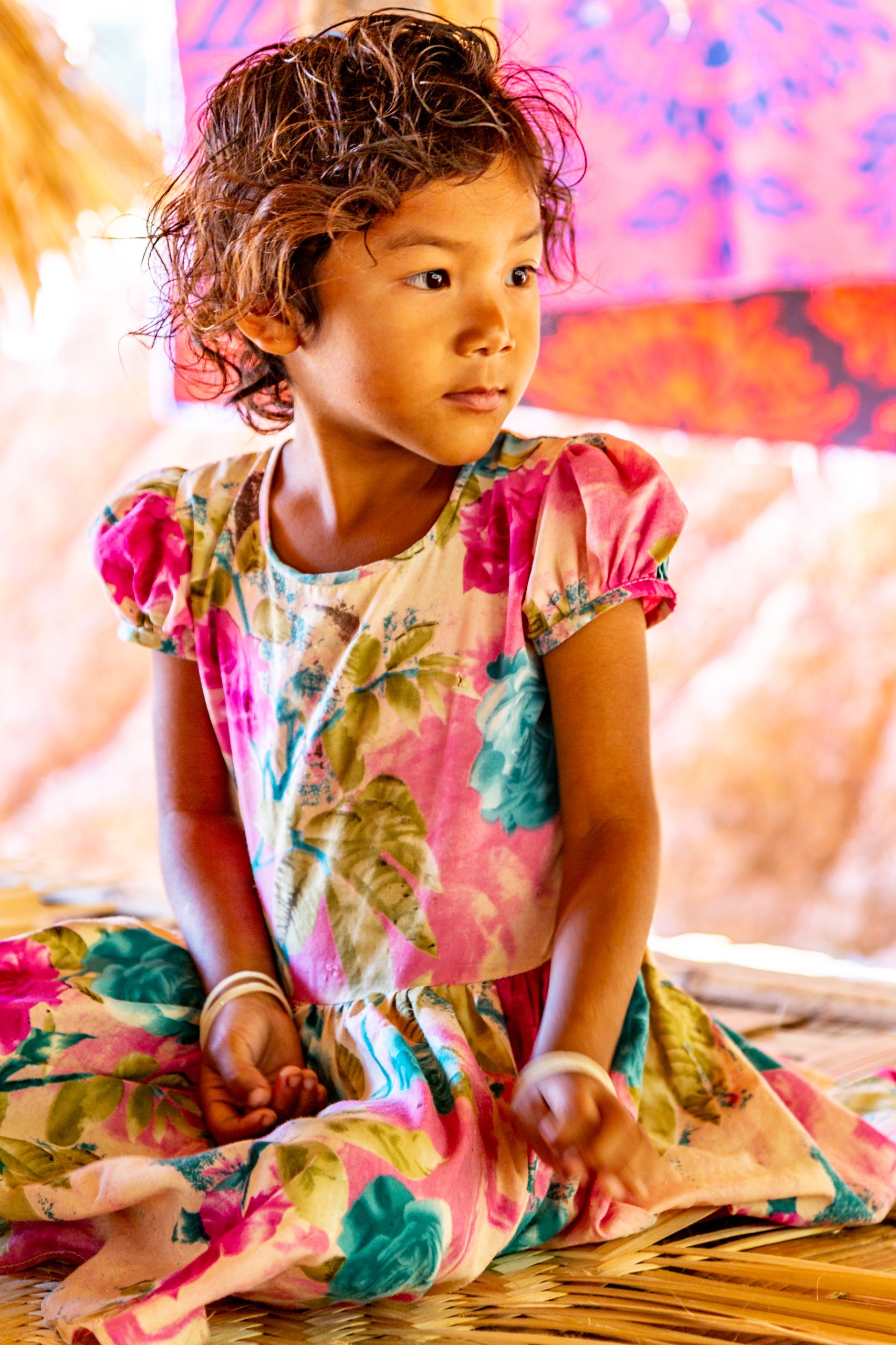
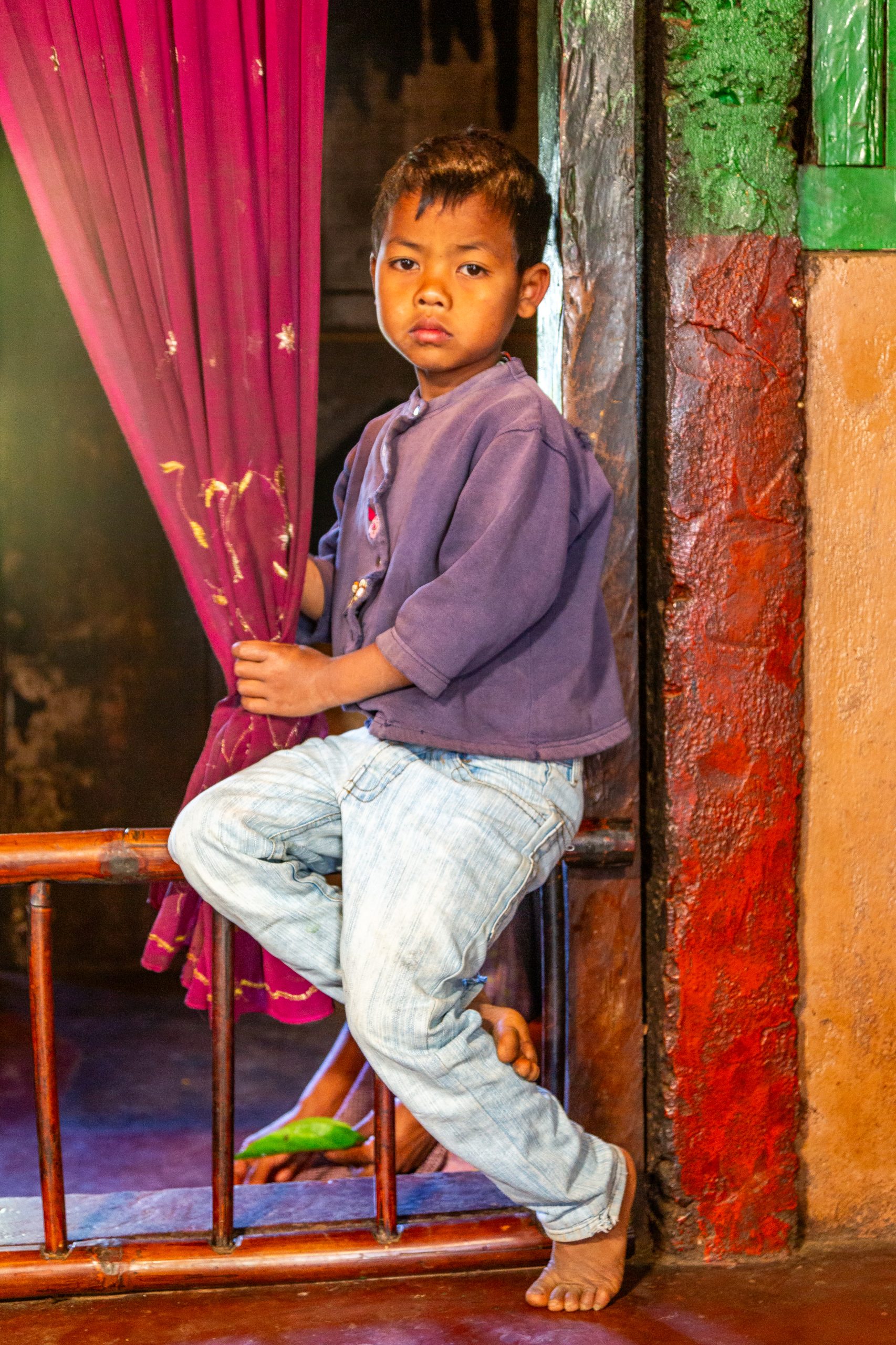
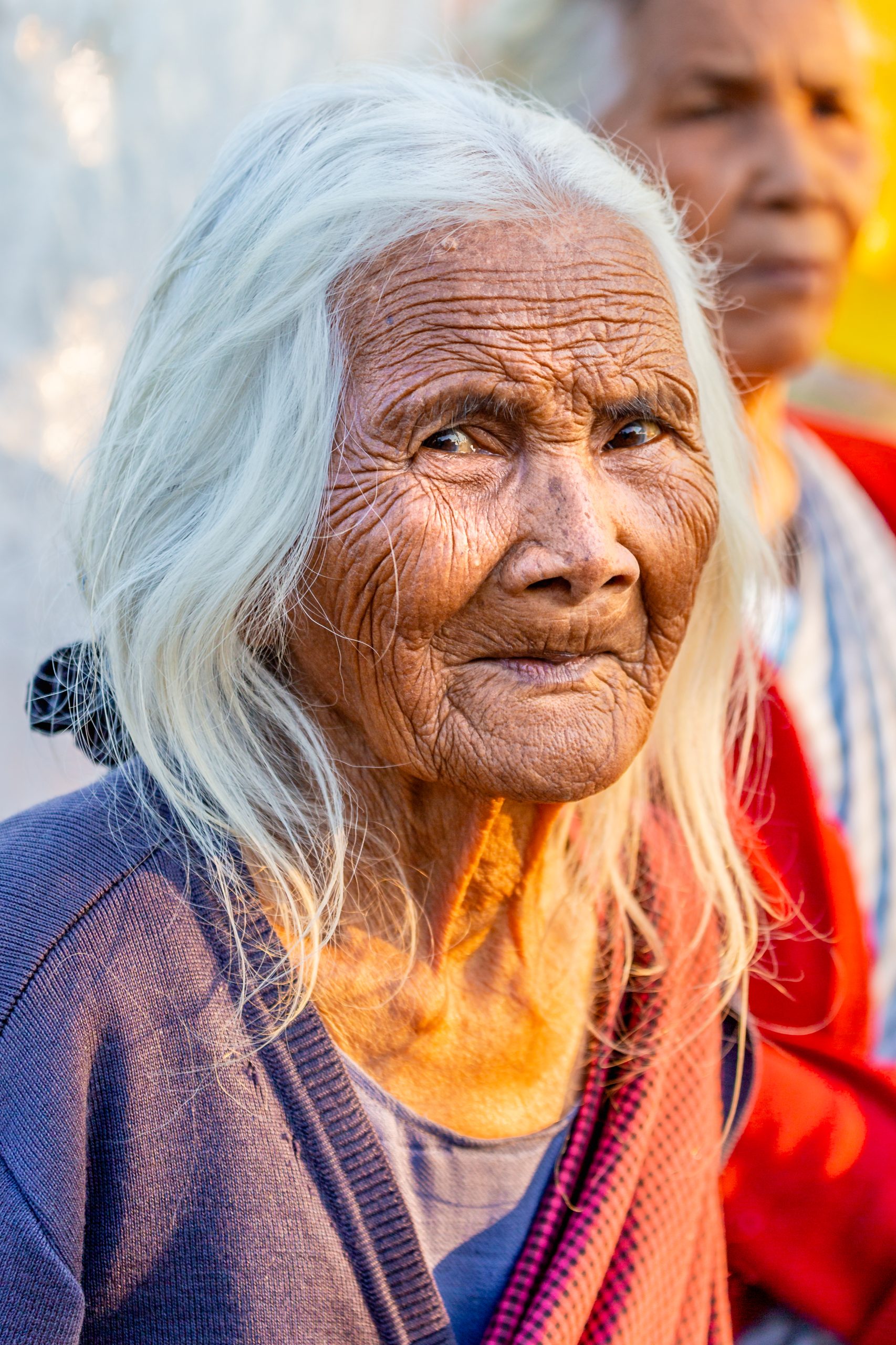
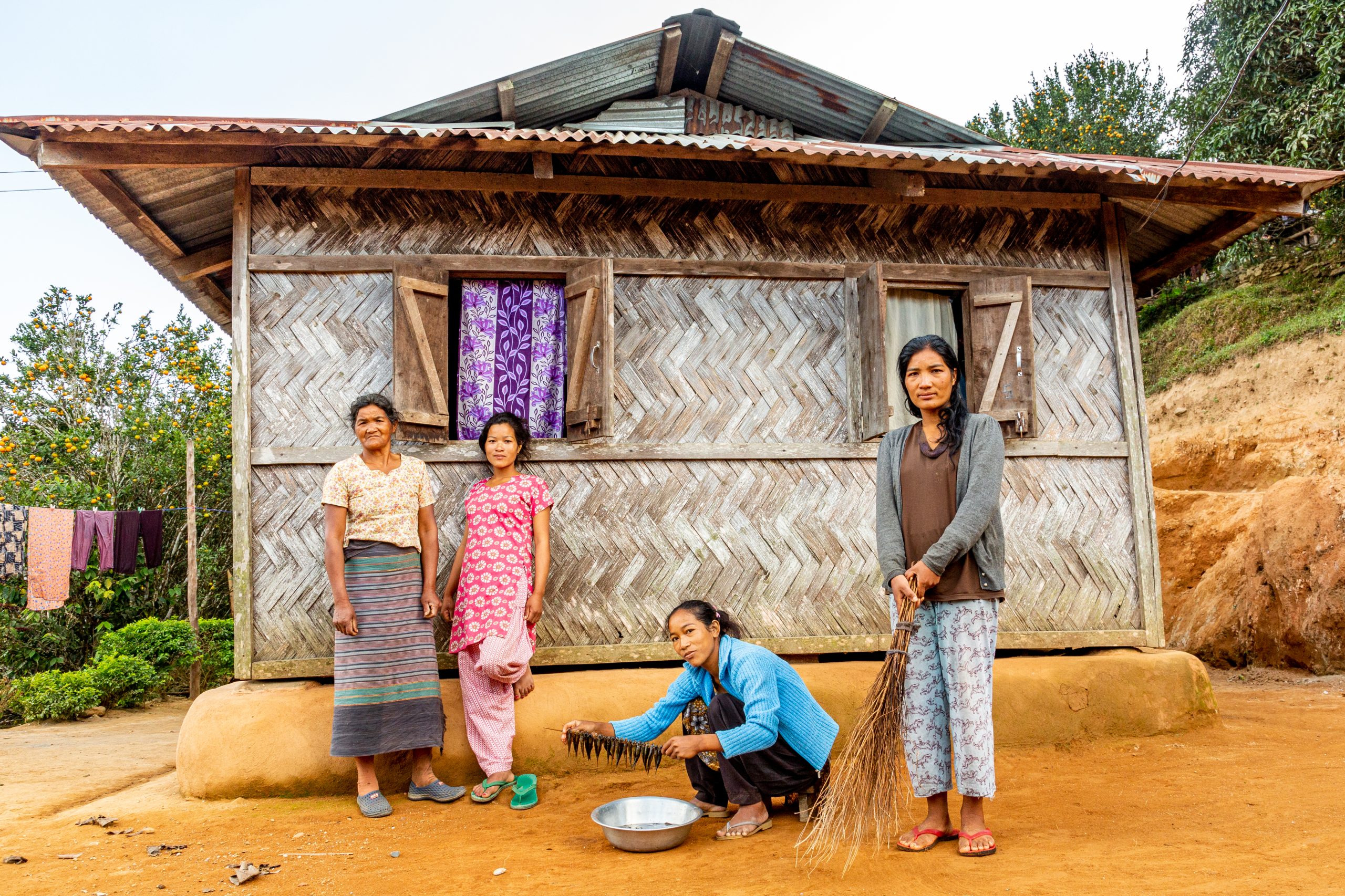
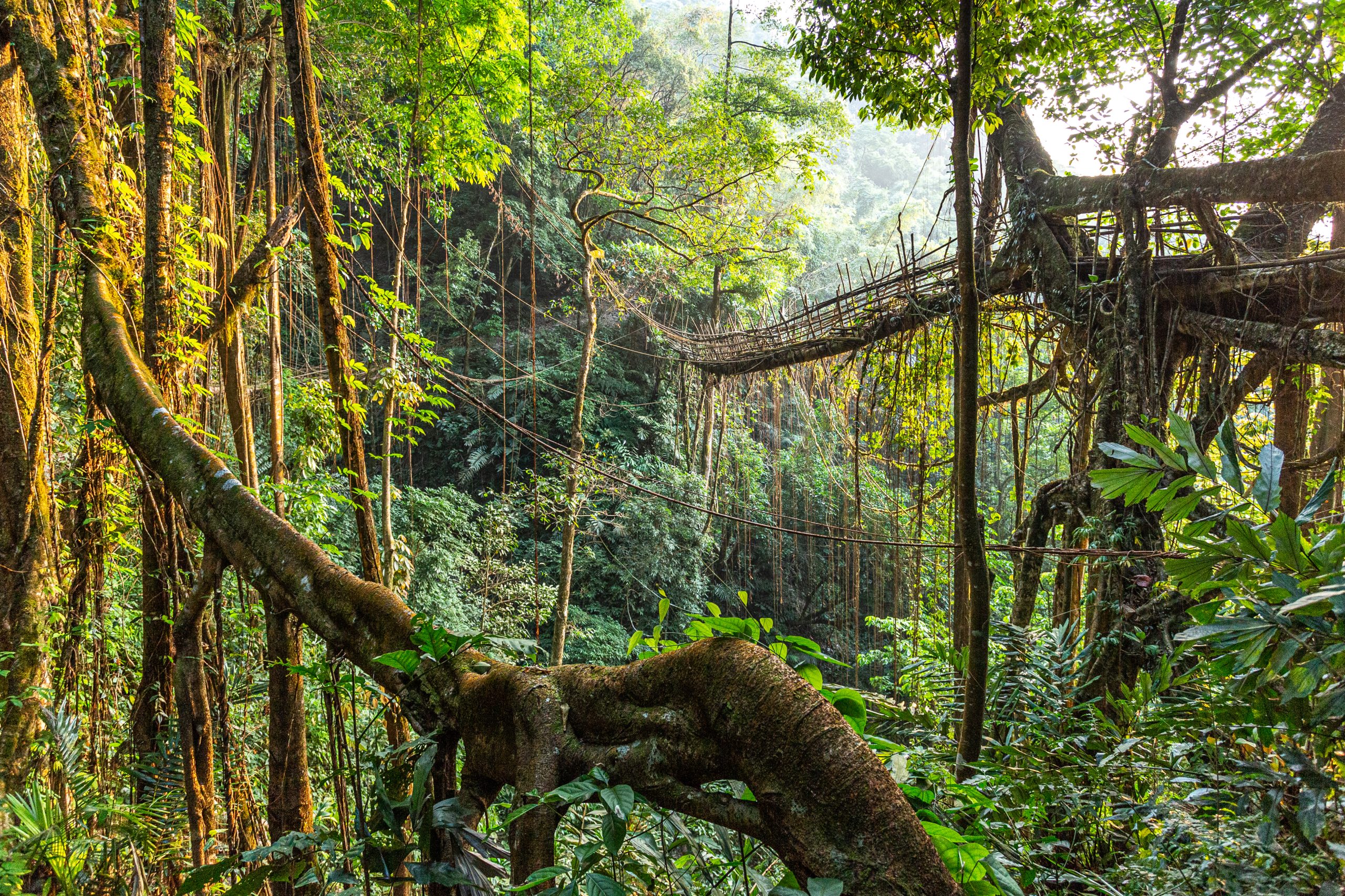
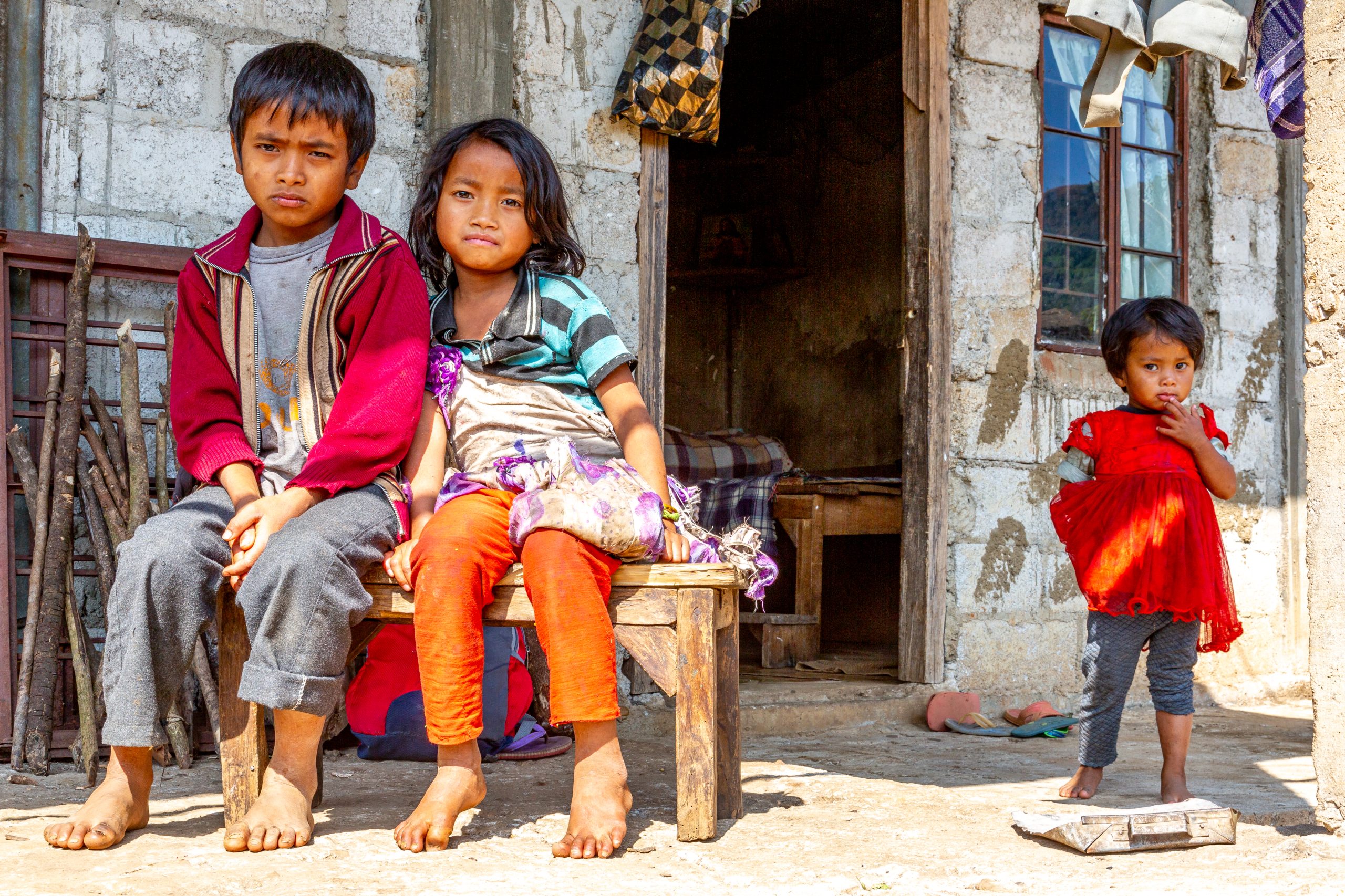
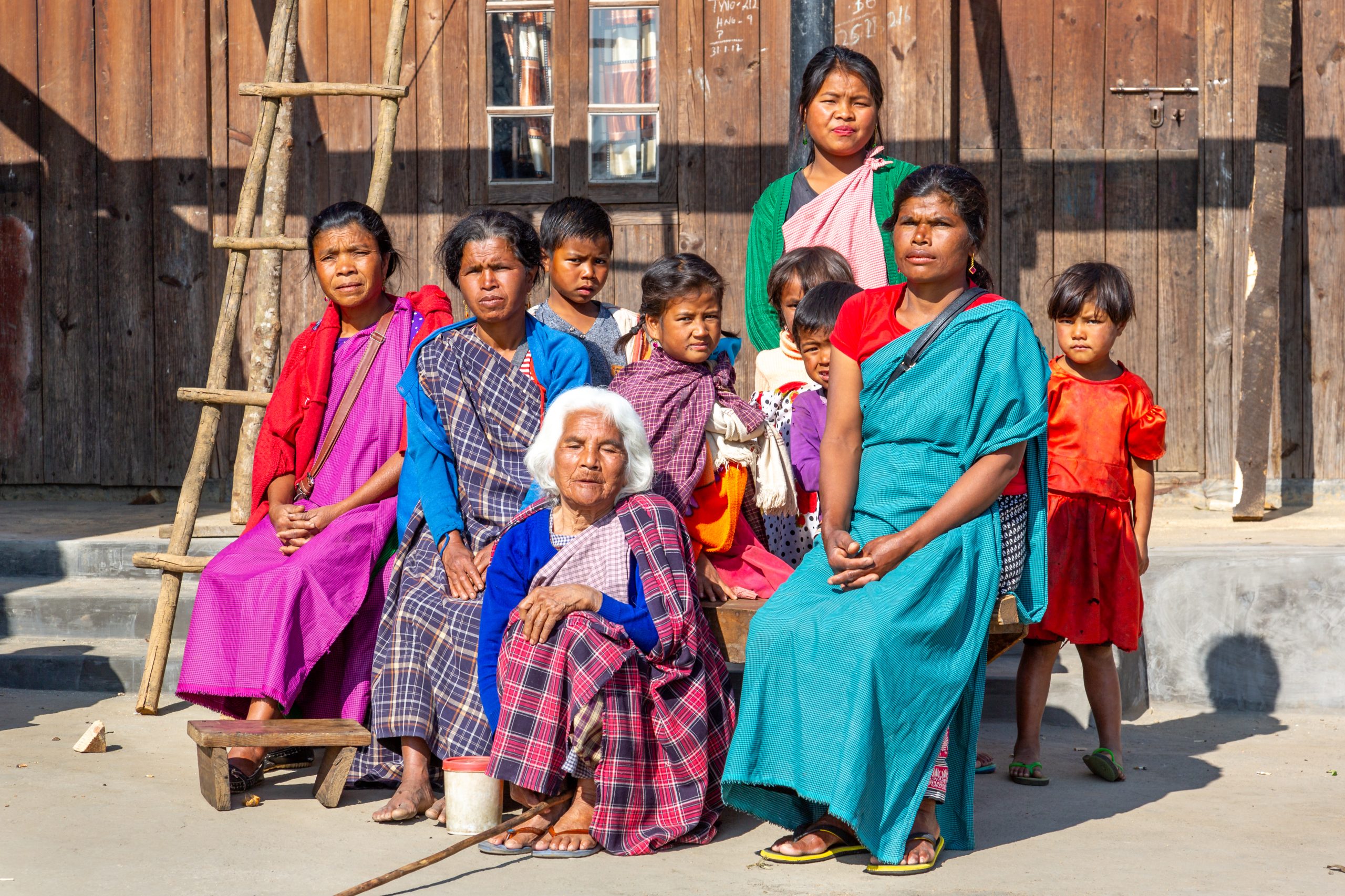
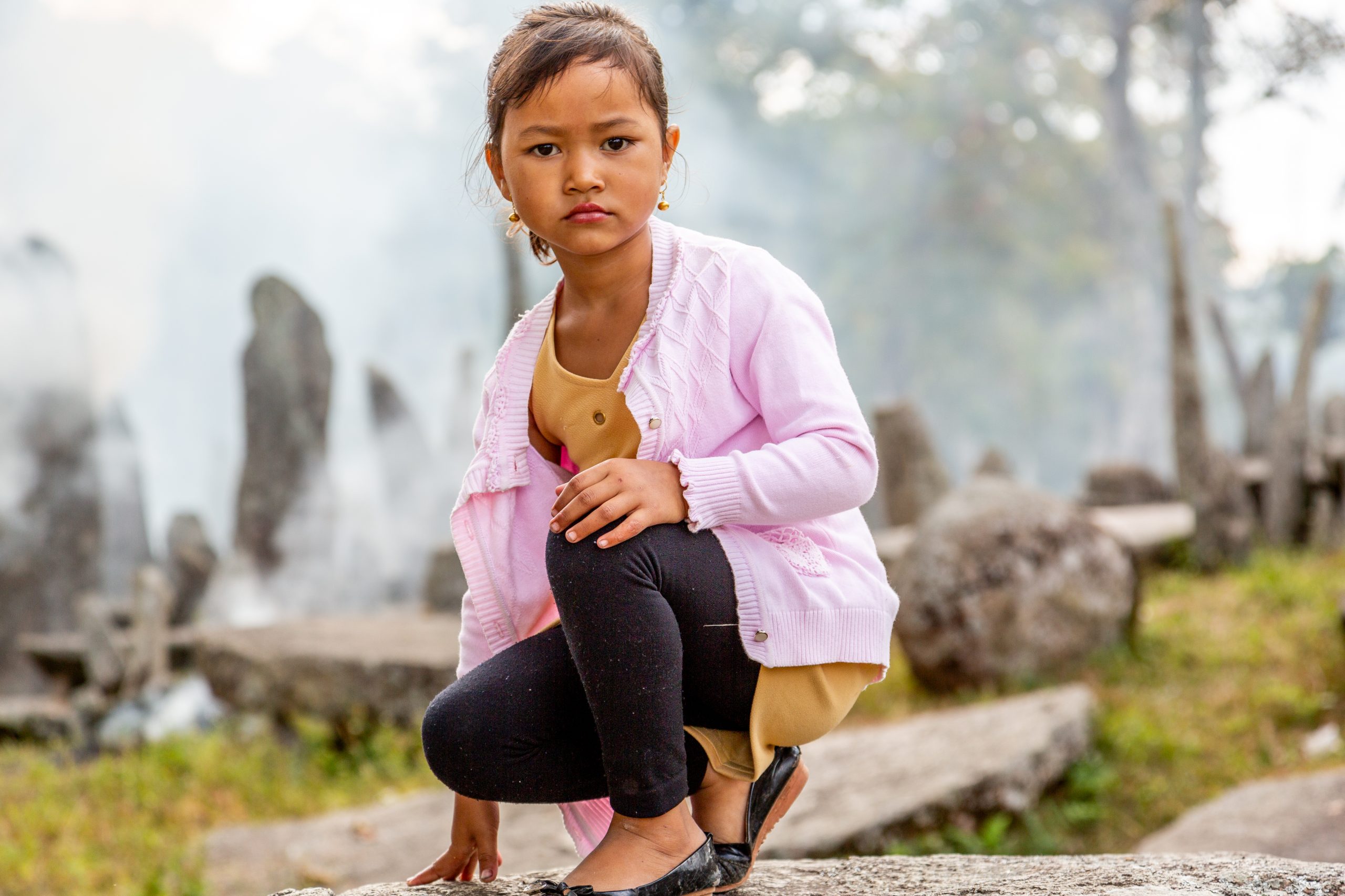
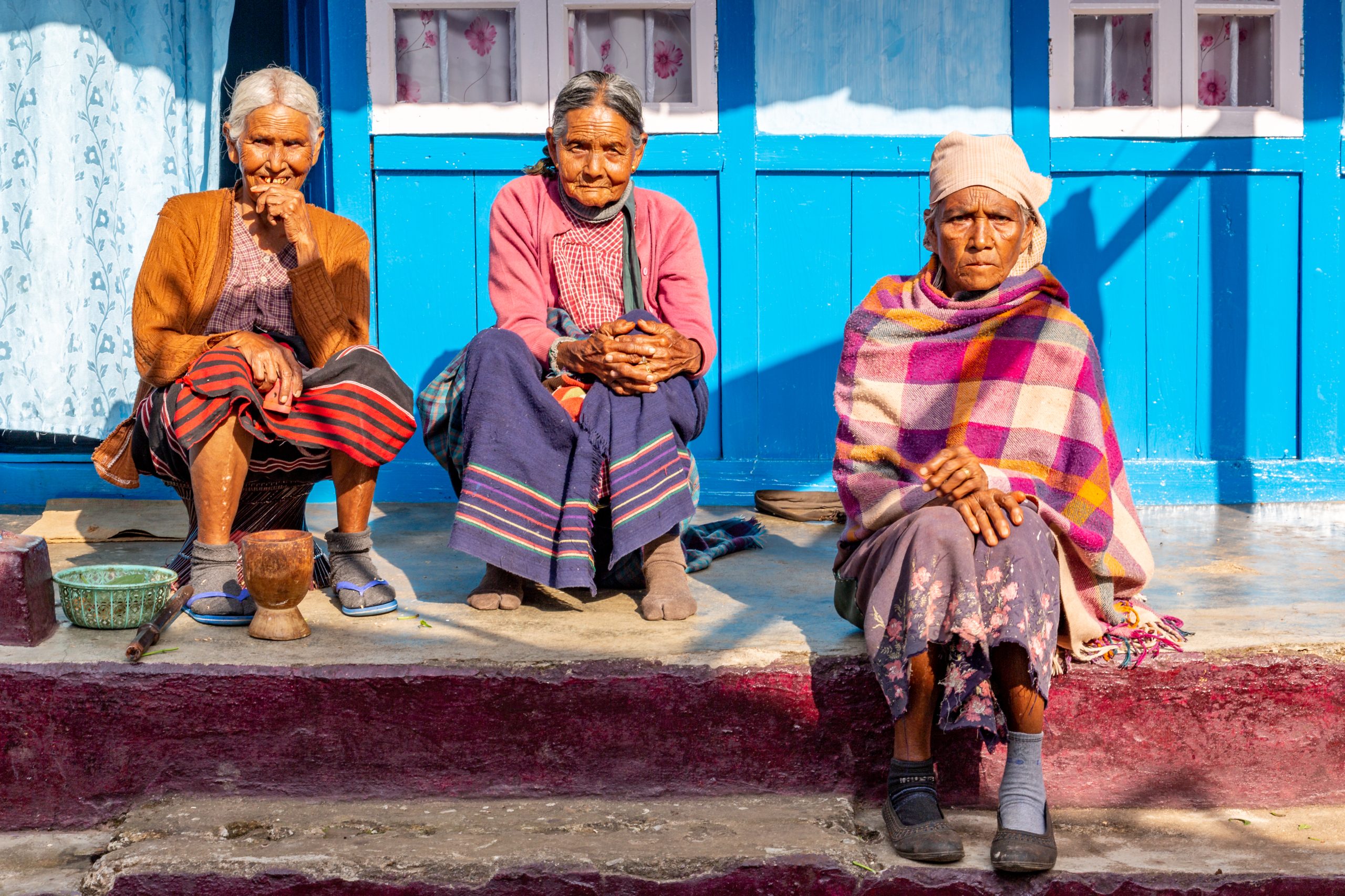
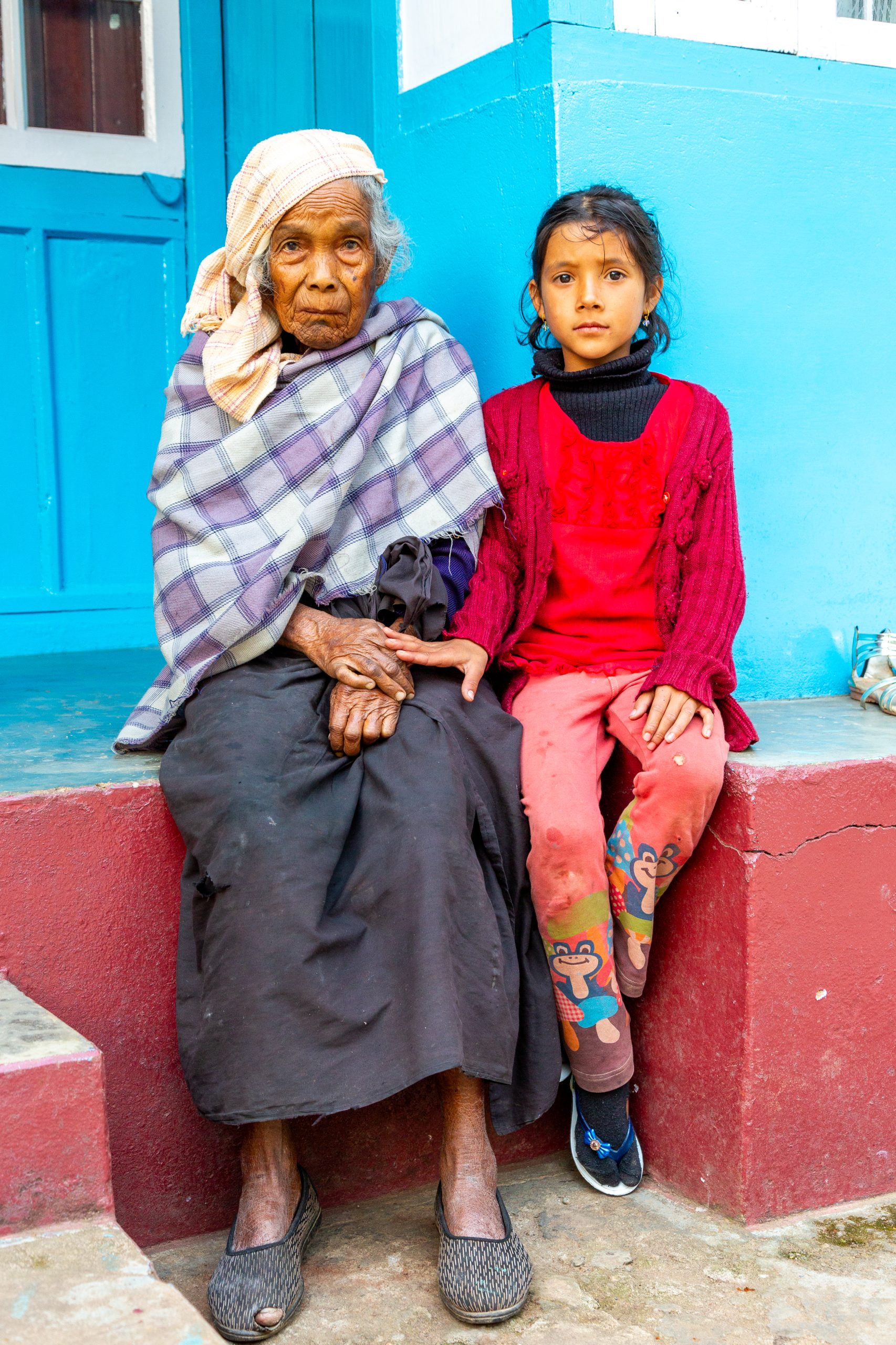
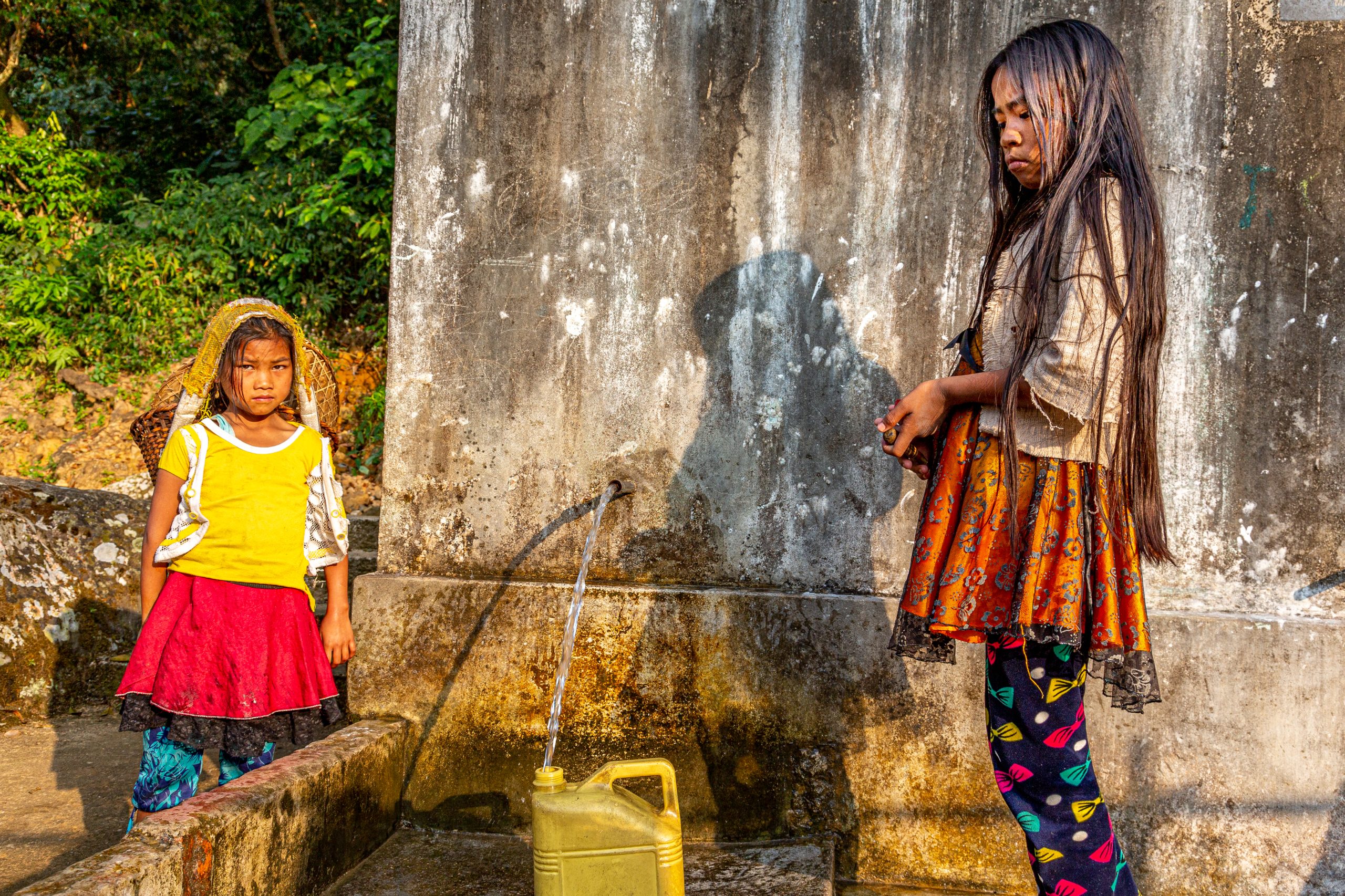
The green hills of Meghalaya, India, are home to fascinating matriarchal societies deeply rooted in this region for generations. The indigenous peoples of the Khasi, Garo, and Jaintia live here in matrilocal and matrilineal structures that emphasize the importance of women in their culture.
Among these, the Khasi, with a population of 1.4 million people, represent the largest of the three ethnicities. Their name, “Kha si,” signifies their origin as “born of a woman.” Their lives are deeply influenced by their connection to nature, with Mother Earth playing a central role.
Of particular uniqueness is the inheritance system of the Khasi. The youngest daughter, known as Khaddu, inherits everything – the house, land, and the responsibility for the entire family clan. From managing the family income to caring for sick family members, she shoulders the responsibility.
The family system of the Khasi is as fascinating as it is complex. After marriage, men move into their wives’ homes, and child-rearing is done collectively. Another interesting dynamic is the role of the mother’s brother, who serves as a paternal advisor and represents the family’s interests externally. Together with the Khaddu, they form the highest authority within each family clan.
In the matriarchal cultures of Meghalaya, women are at the heart of families, emphasizing values such as caring for the common good. This societal structure preserves its unique identity to this day.