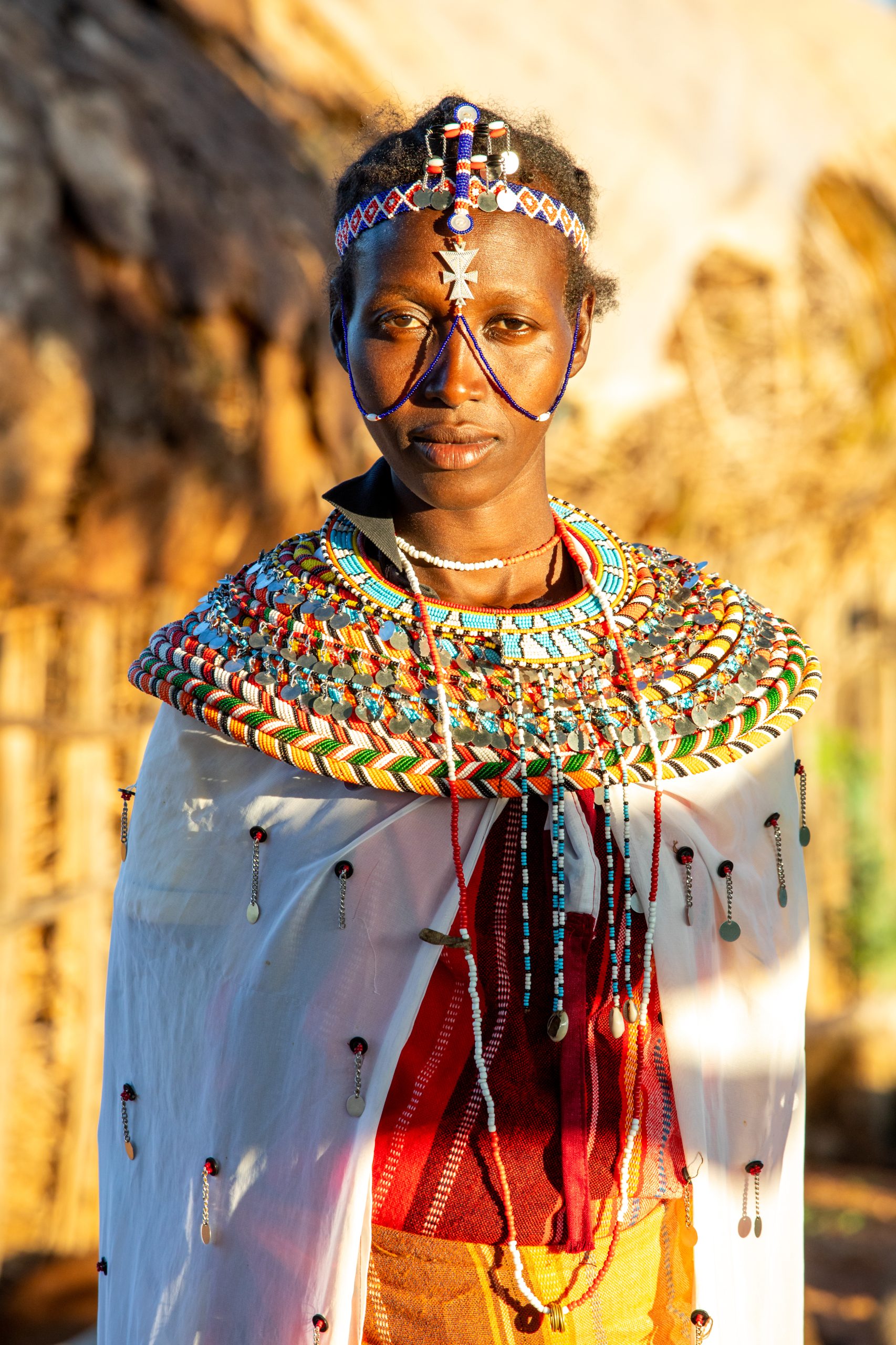
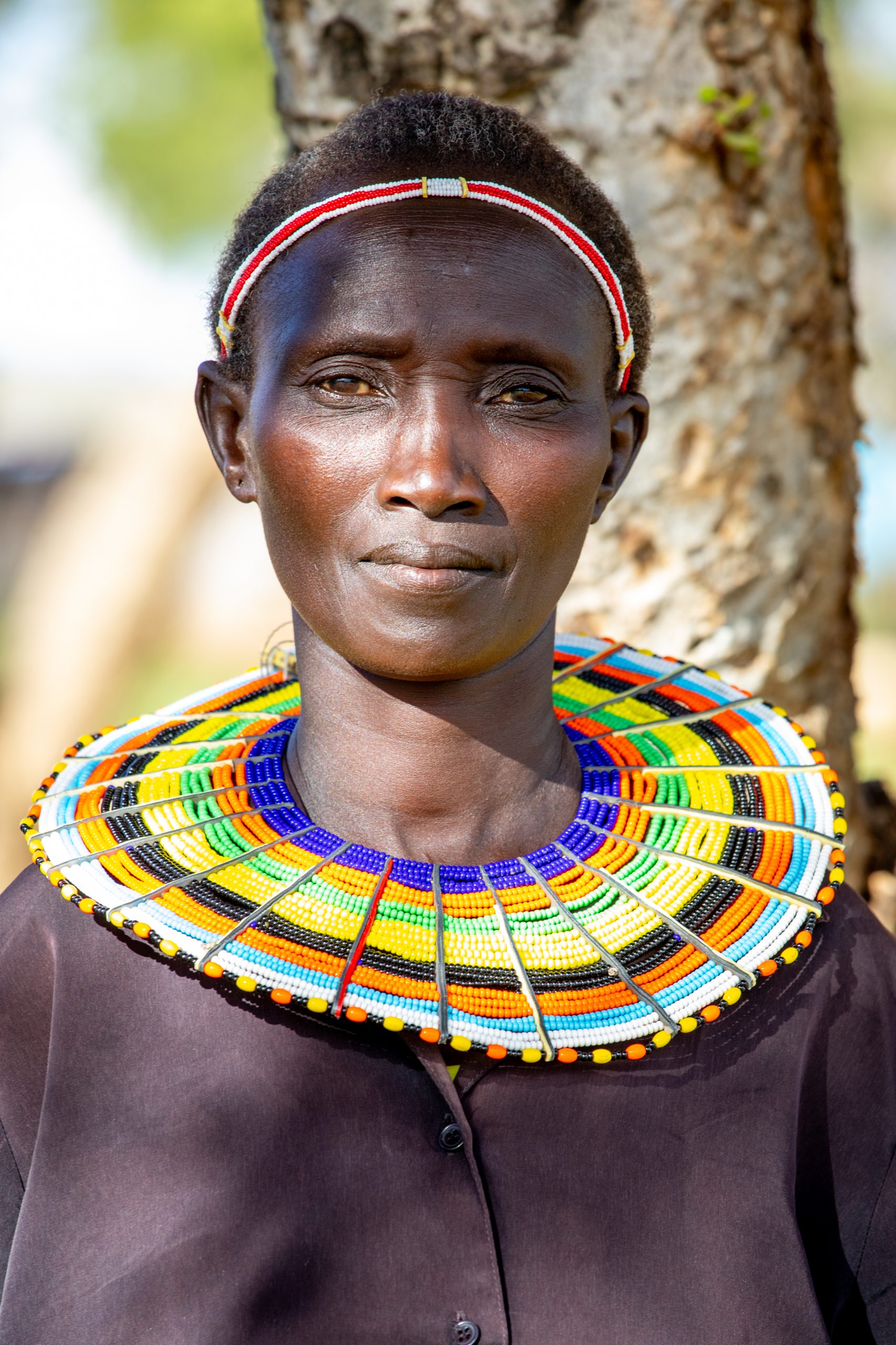
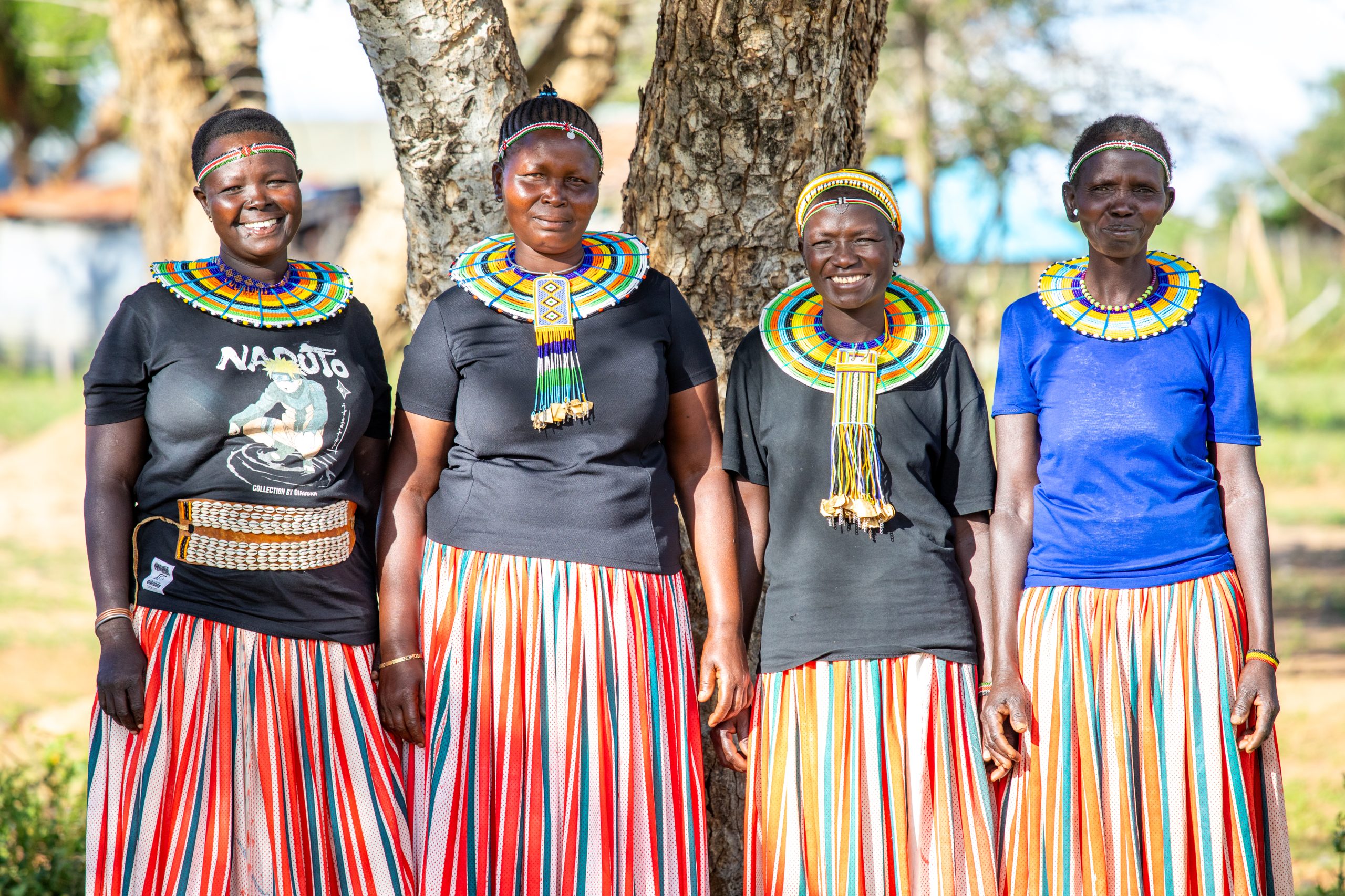
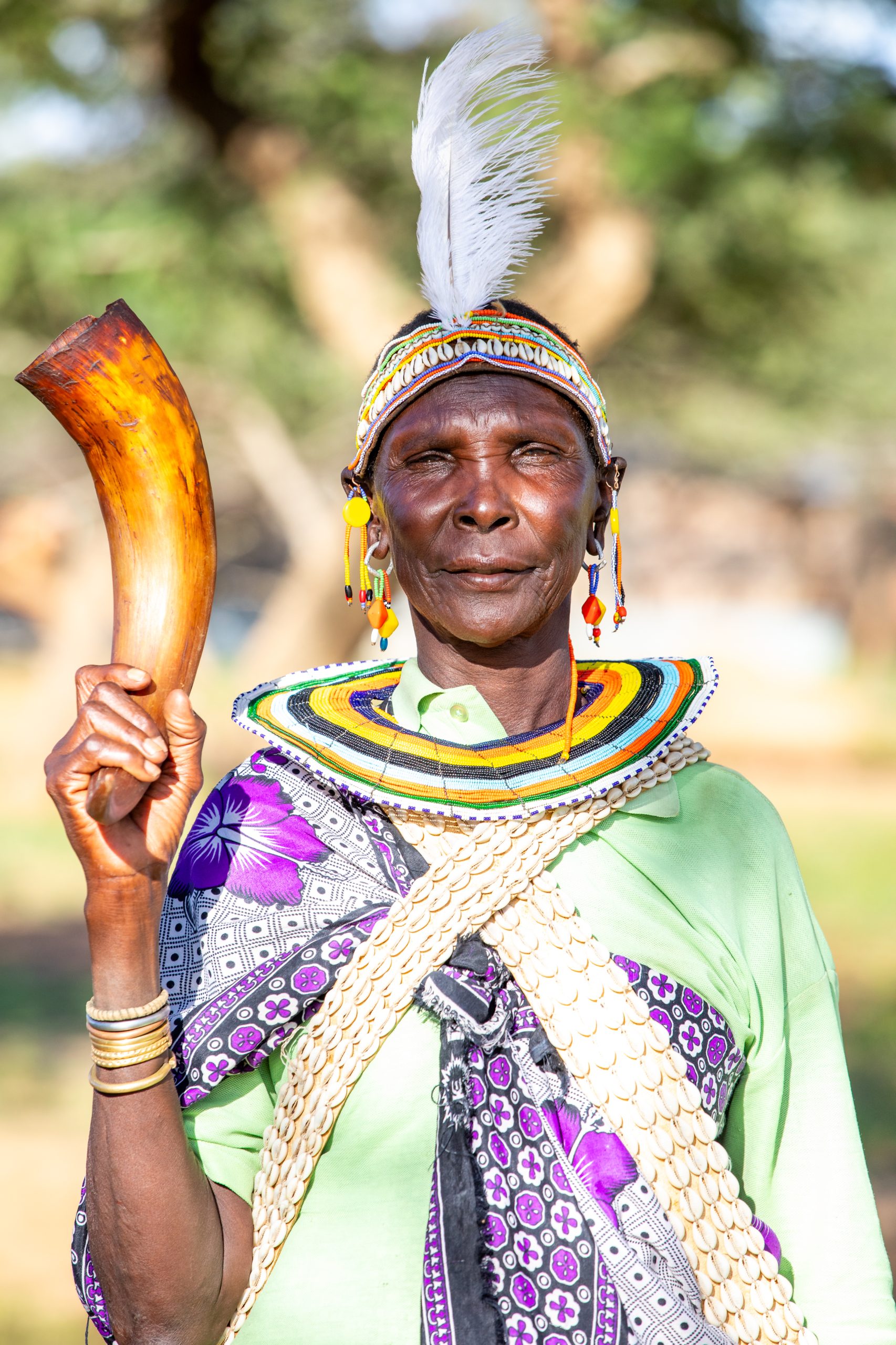
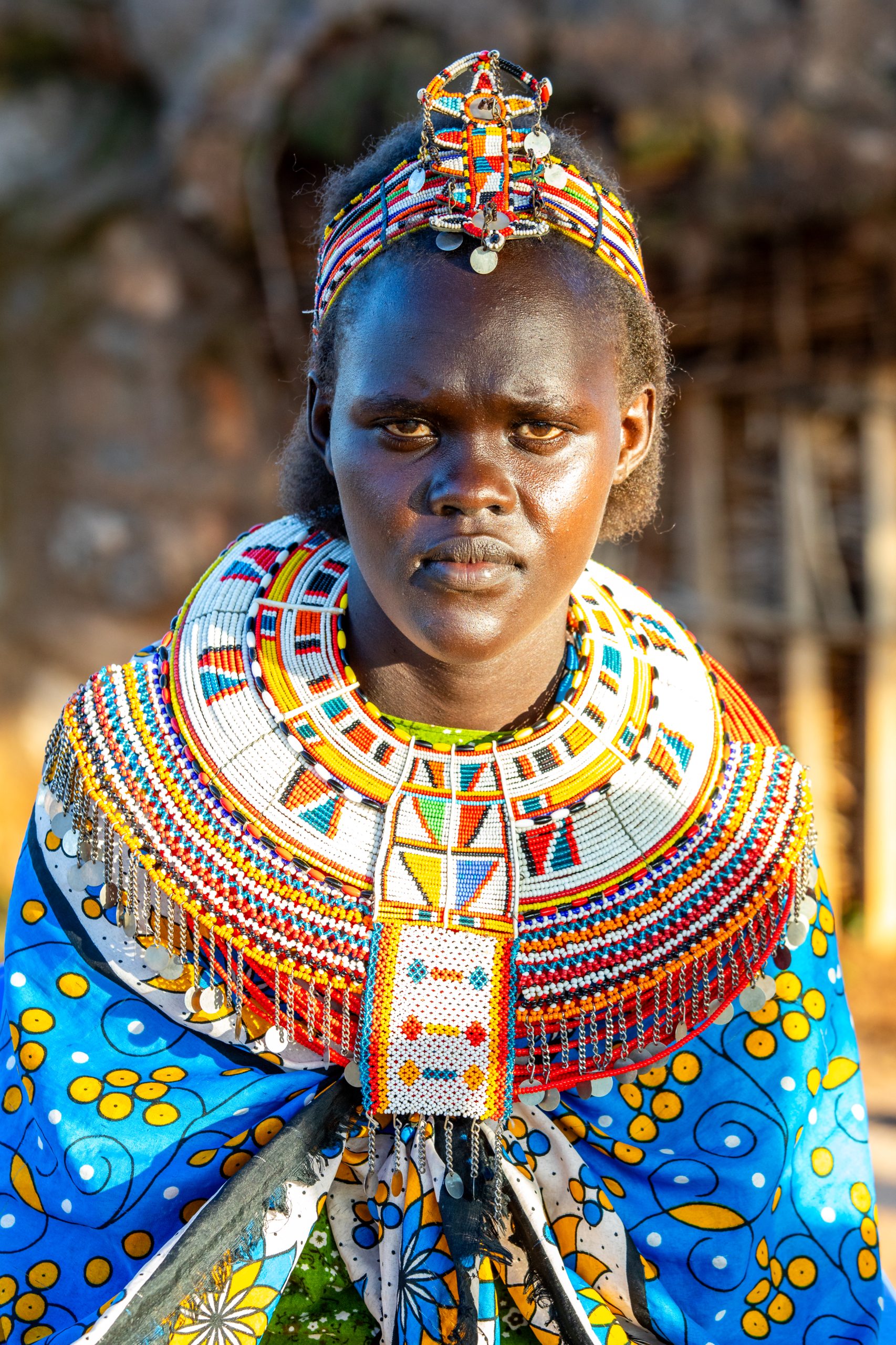
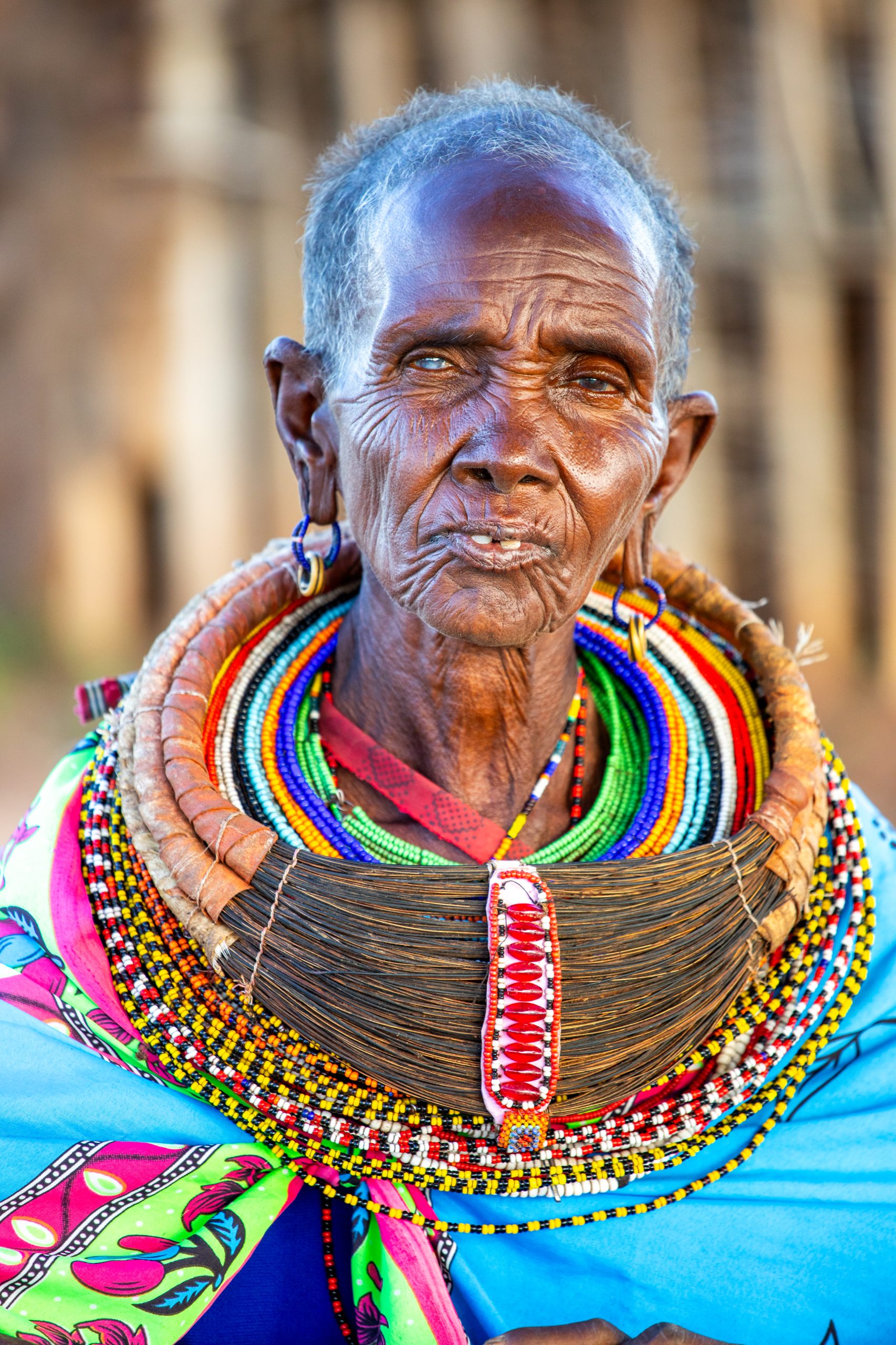
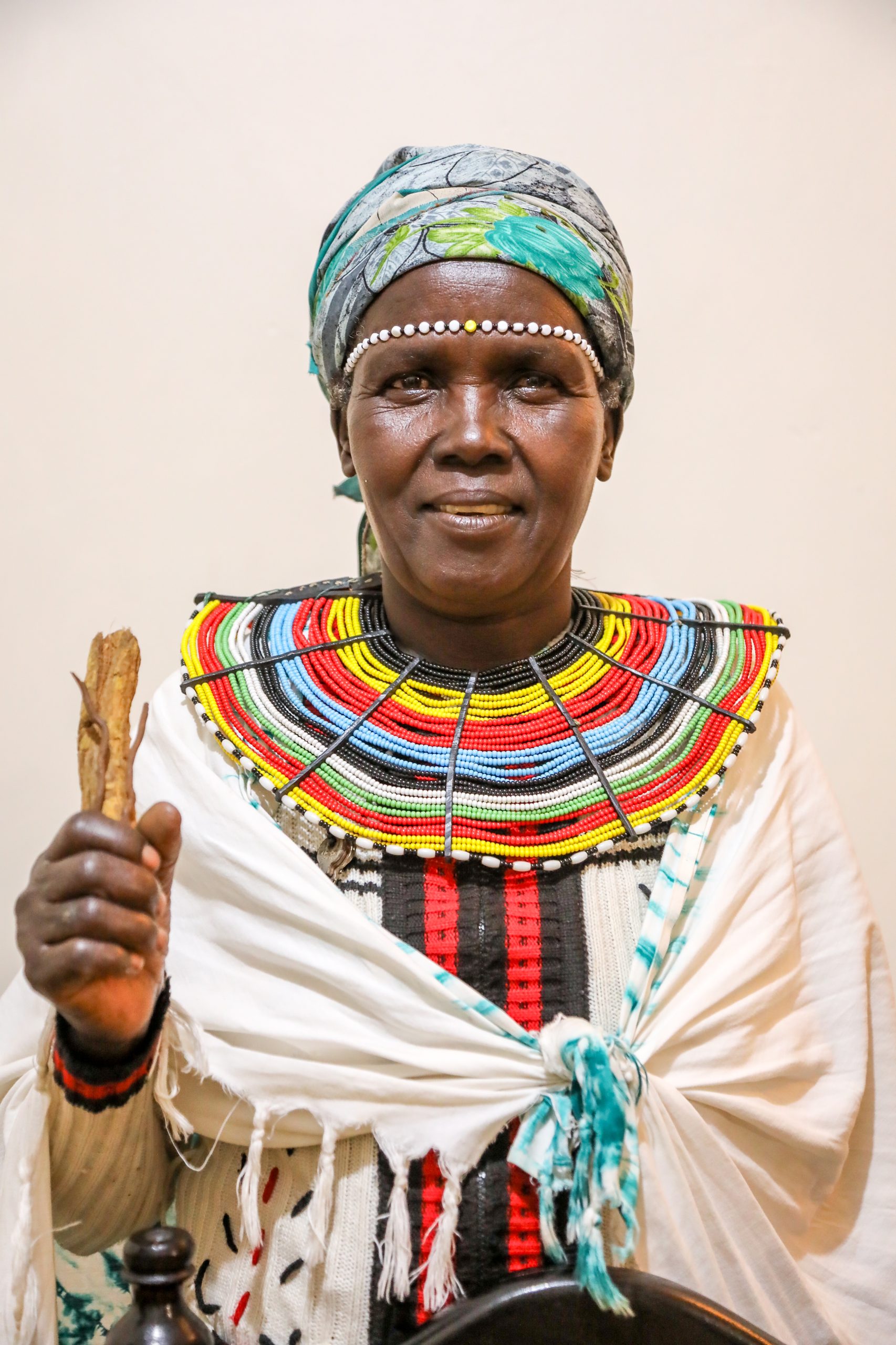
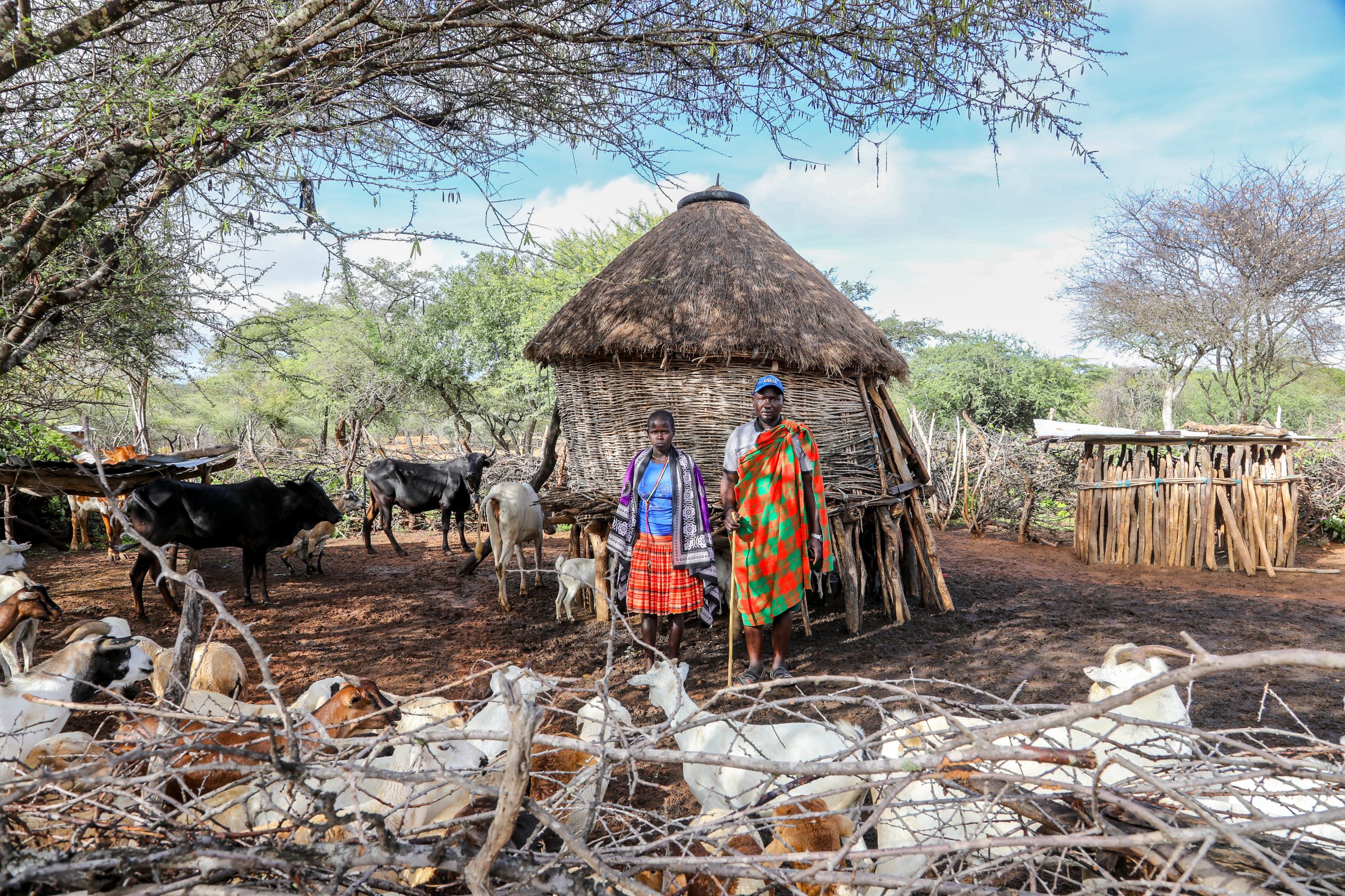
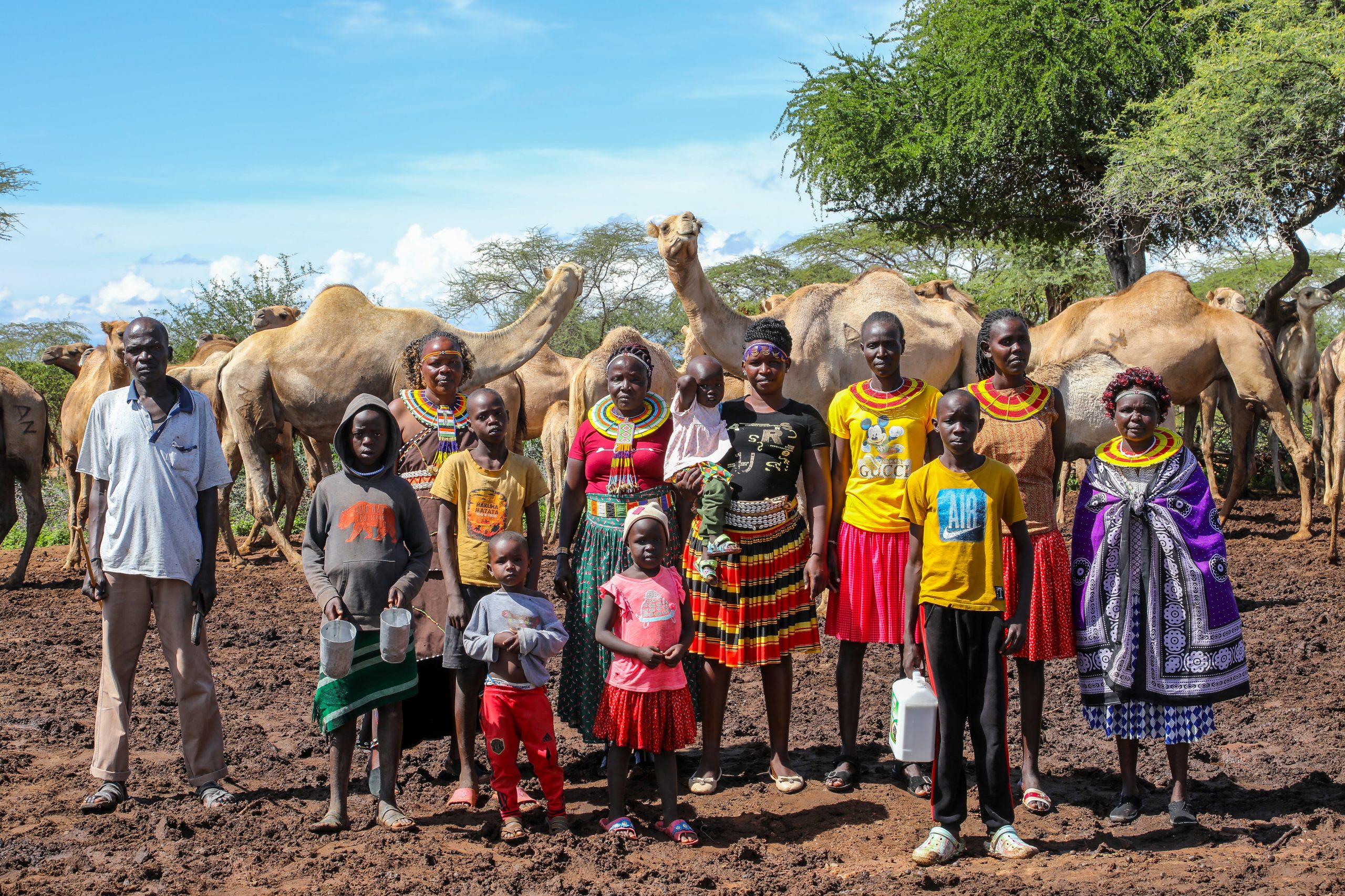
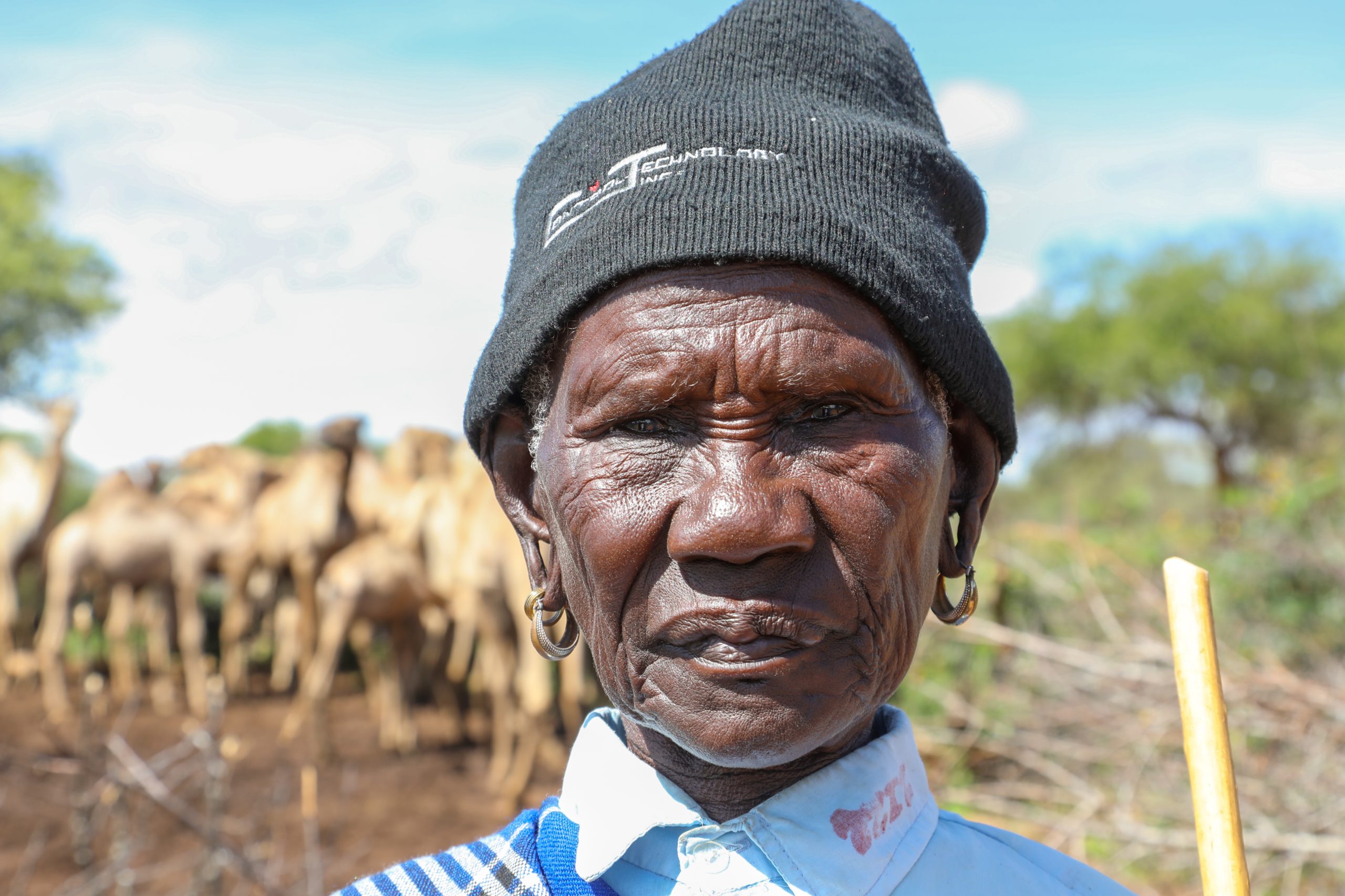
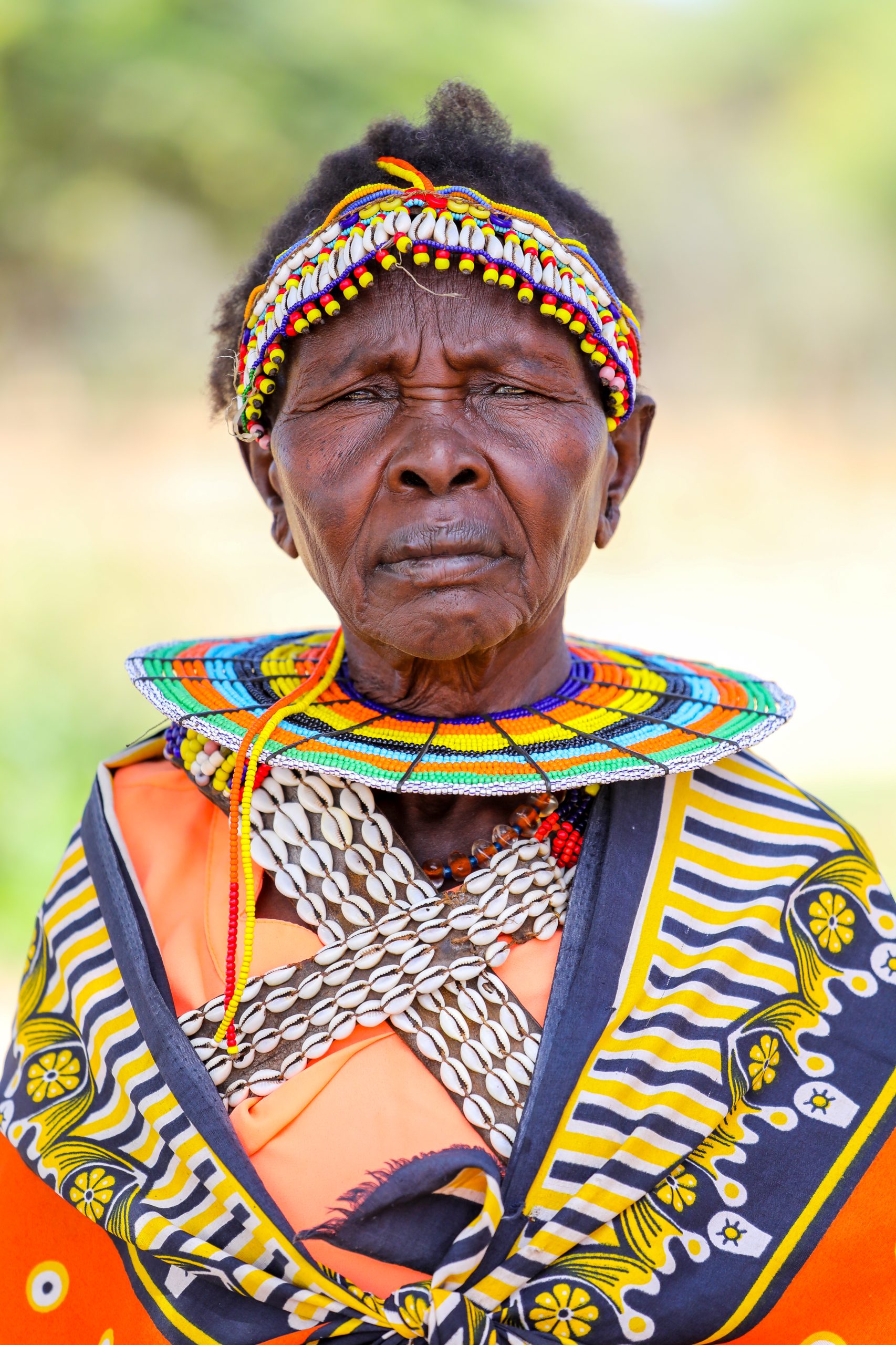
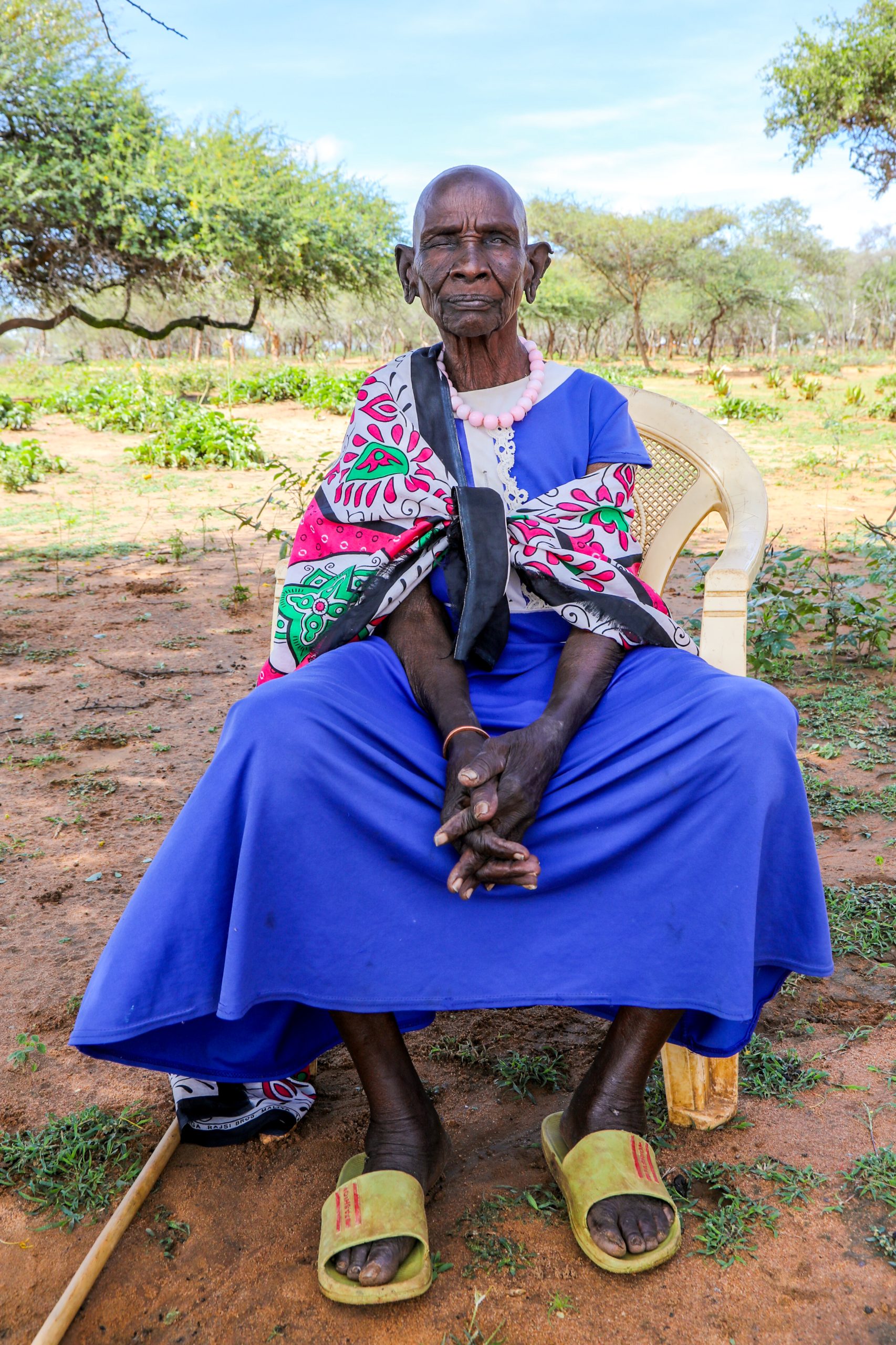
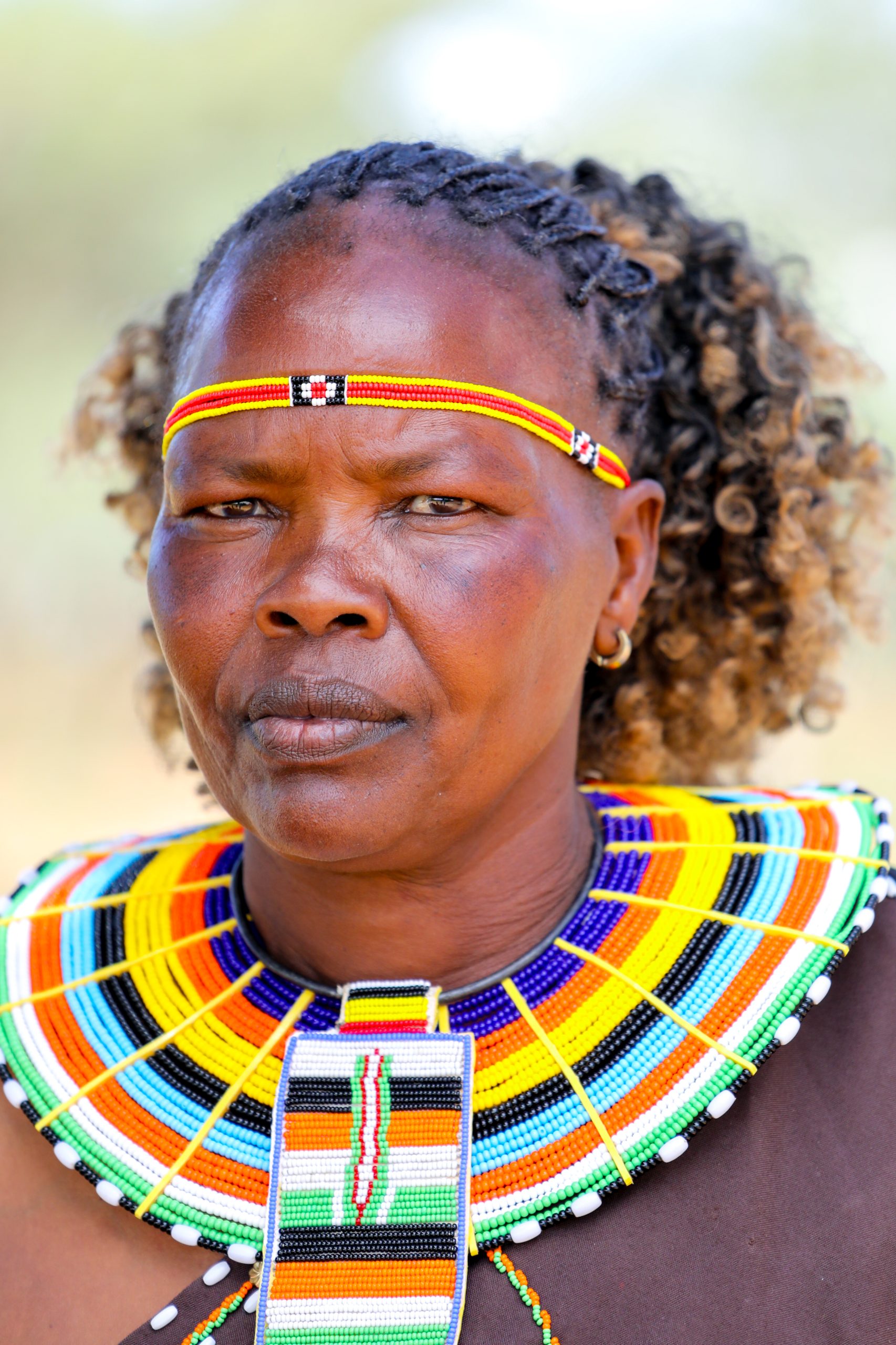
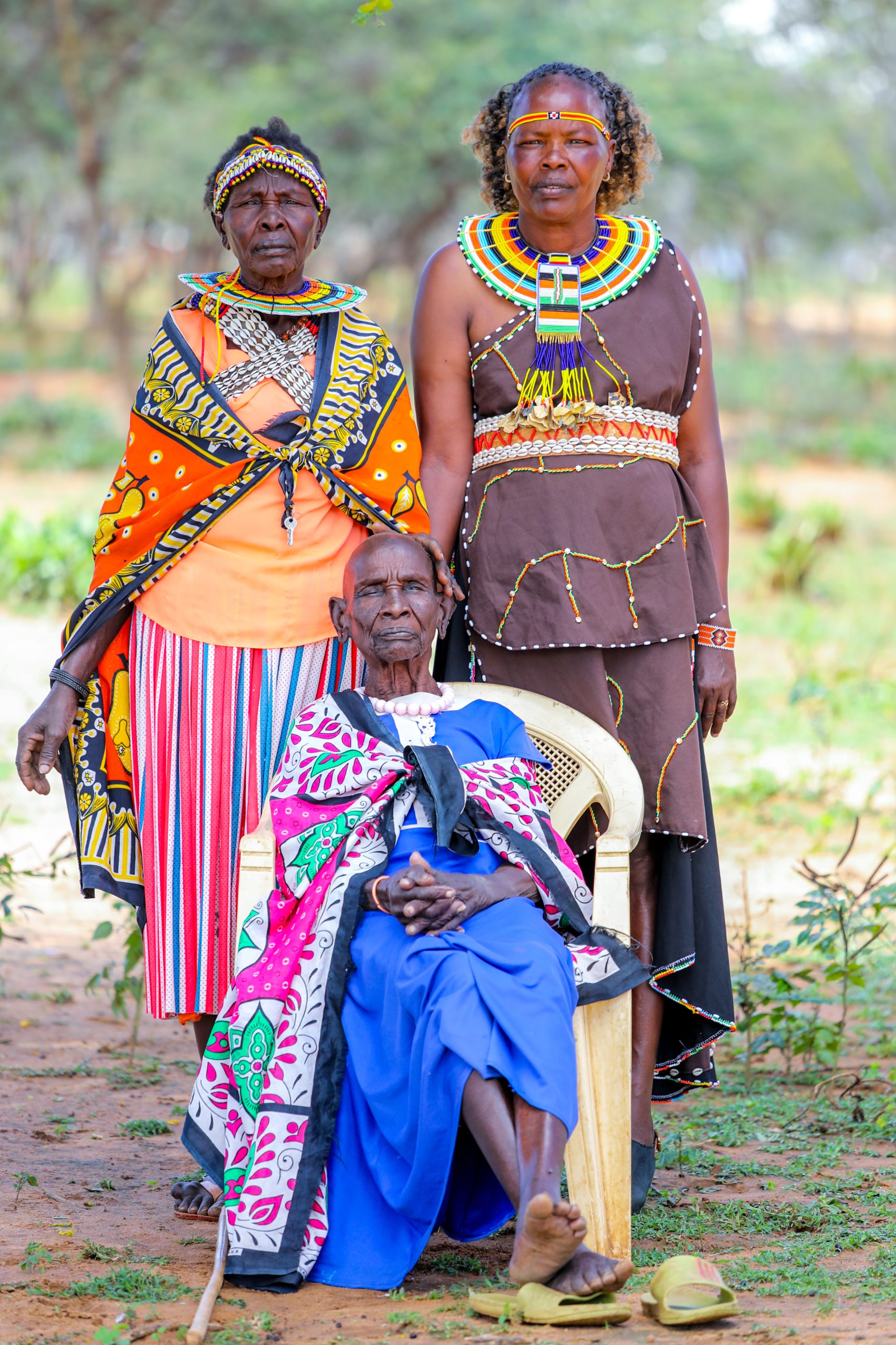
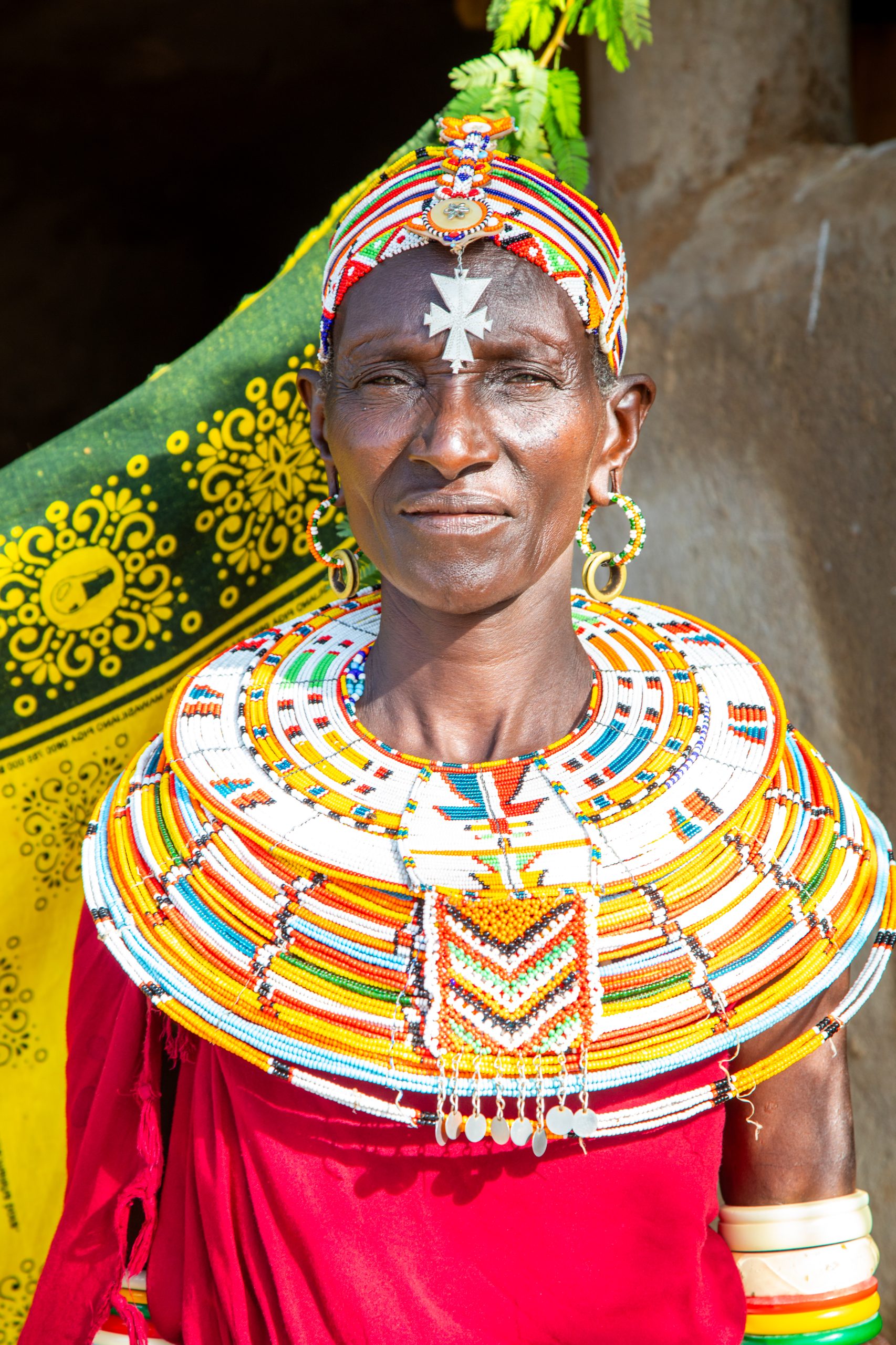
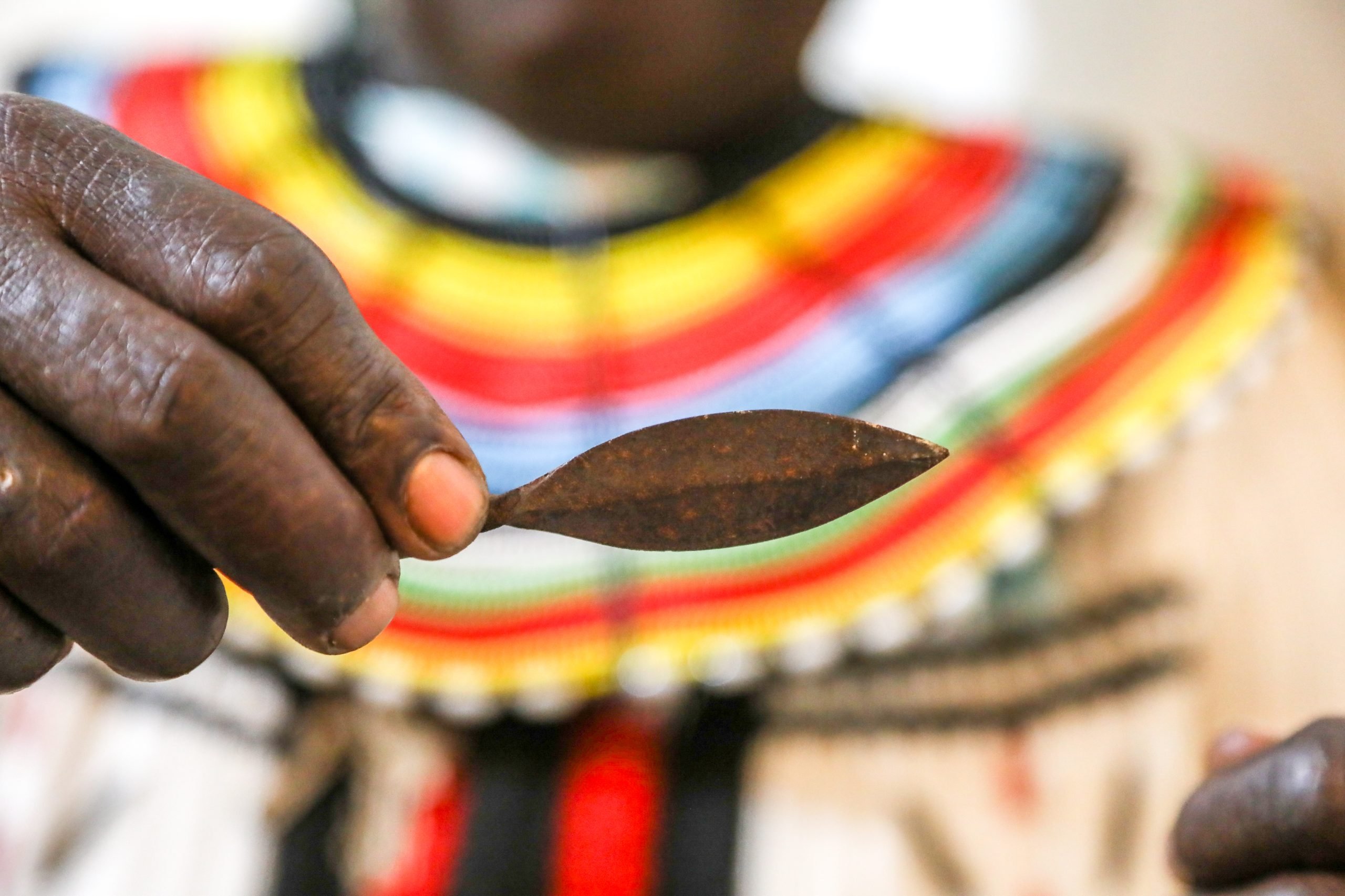
The Pokot and the Samburo
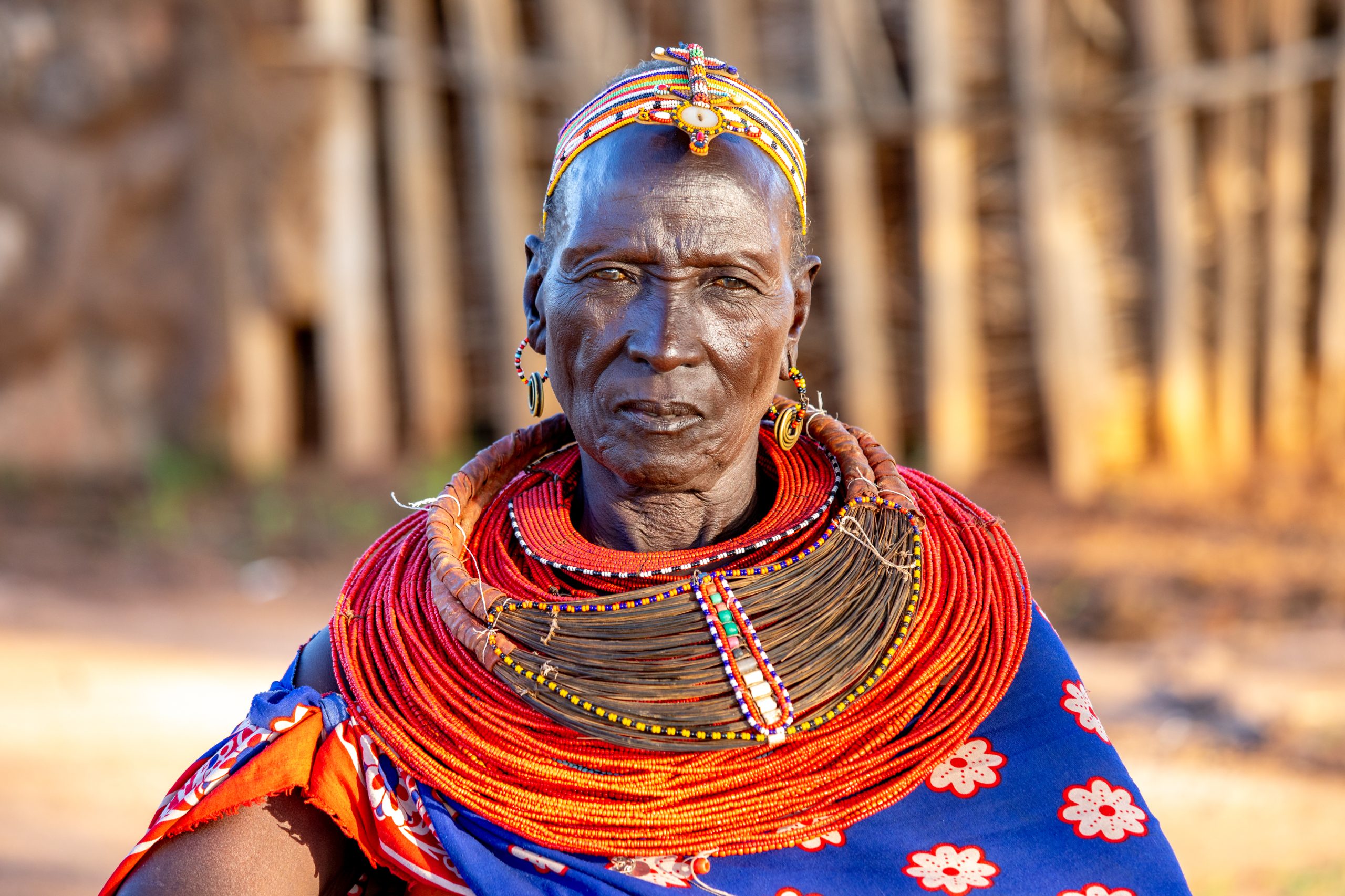
As a photographer who has interviewed and visited women in Kenya to shed light on the issue of female genital mutilation (FGM), I am deeply committed to raising awareness about this terrible, misogynistic practice.
FGM constitutes a serious violation of human rights. The World Health Organization (WHO) estimates that globally, over 230 million women and girls alive today have undergone FGM. Each year, an estimated three million girls are at risk of undergoing FGM, mainly in certain parts of Africa, the Middle East, and some Asian countries.
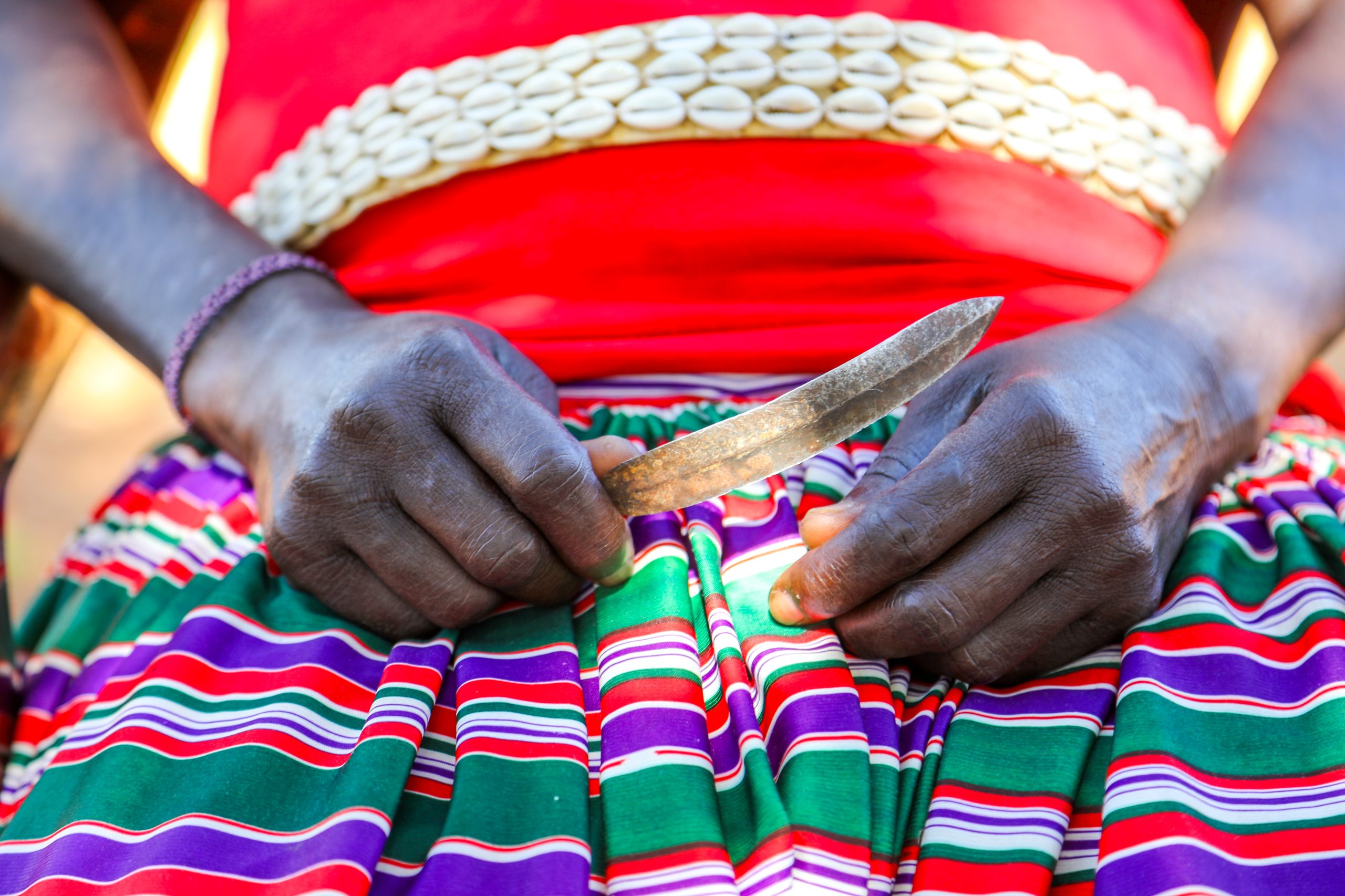
FGM is a ritual practice where the external female genitalia are partially or completely removed for cultural, social, or religious reasons. The consequences range from acute pain and infections to lifelong complications, both physical and psychological. Countless girls undergo this agonizing procedure annually and daily.
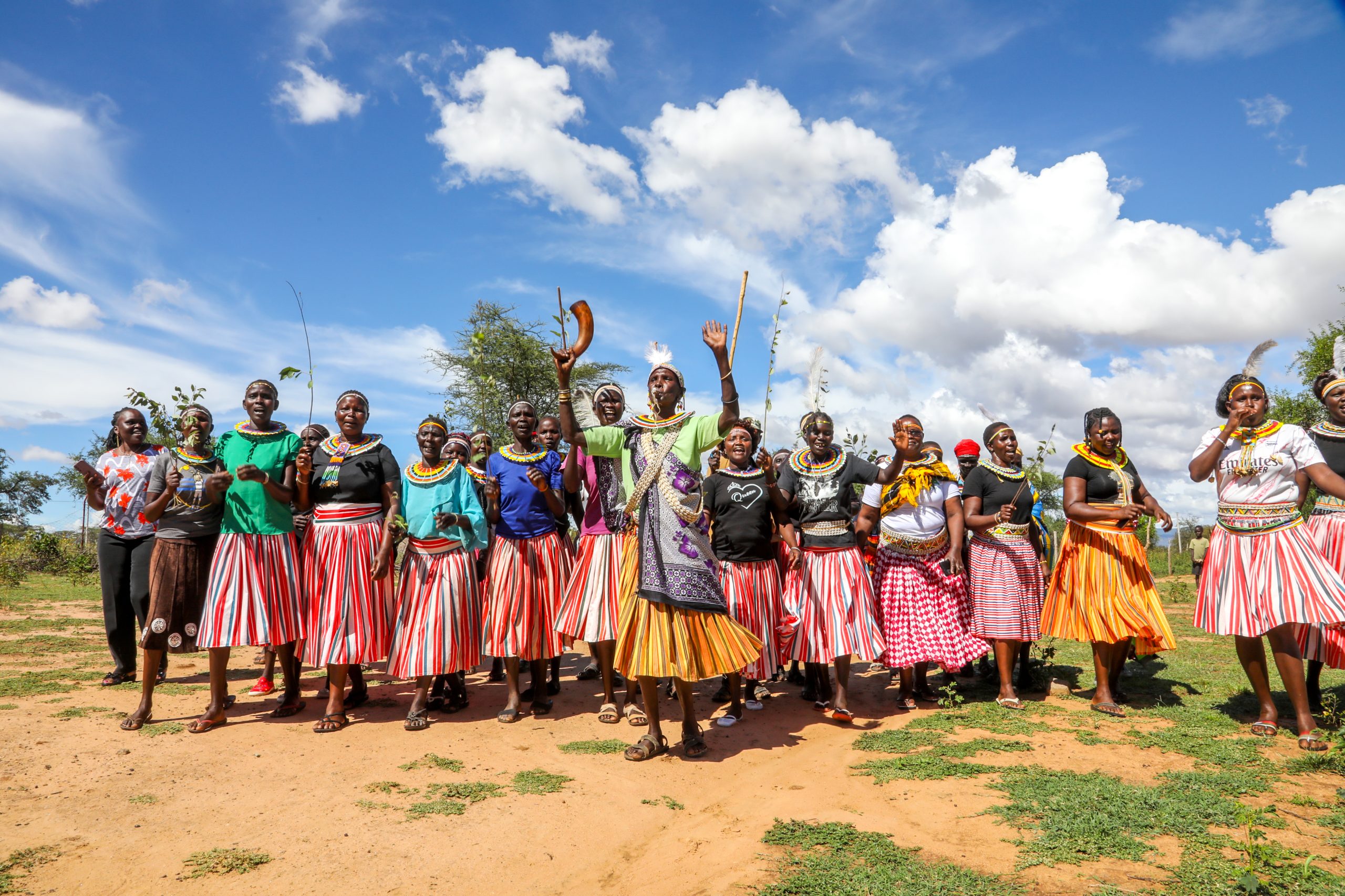
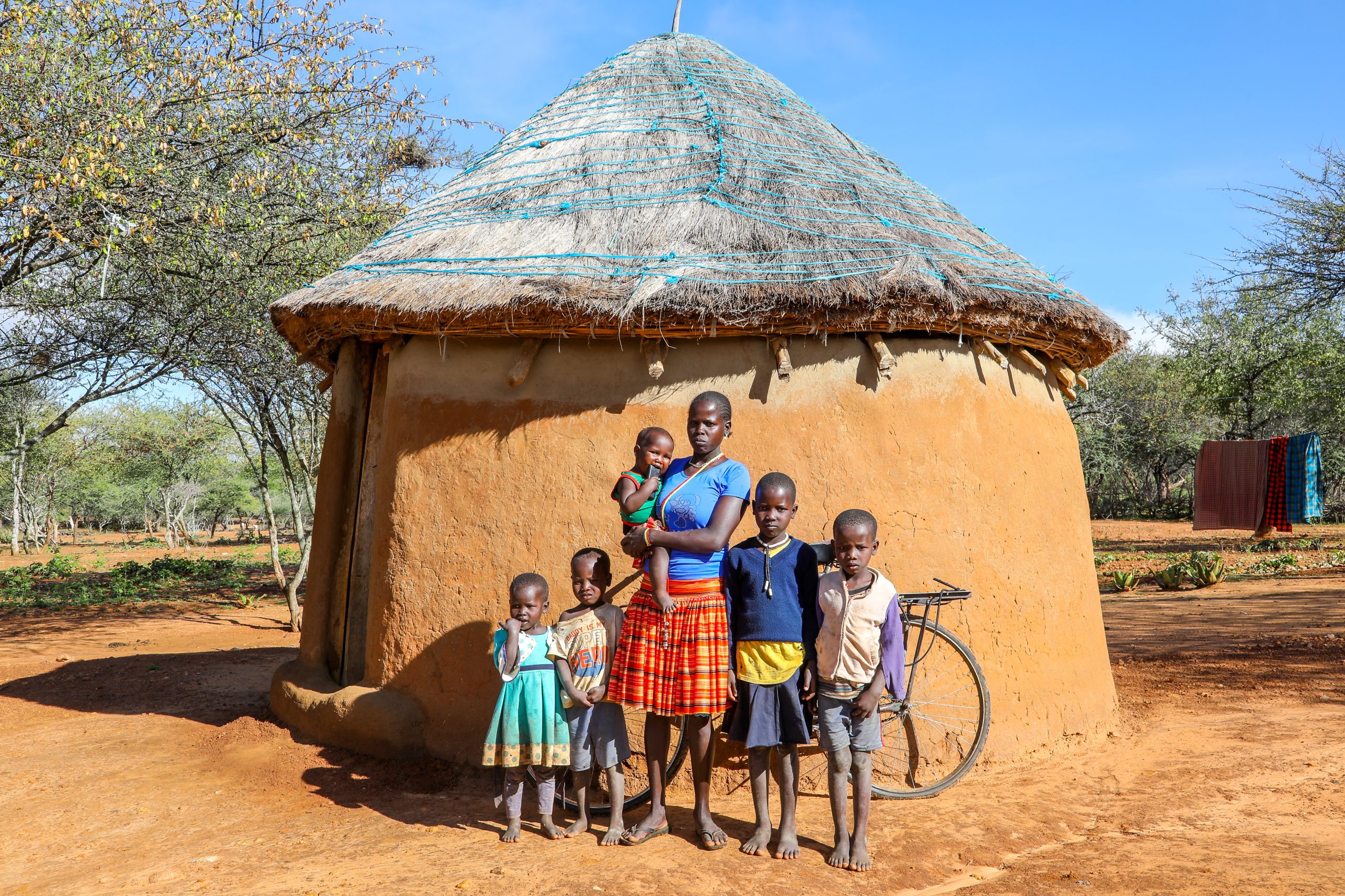
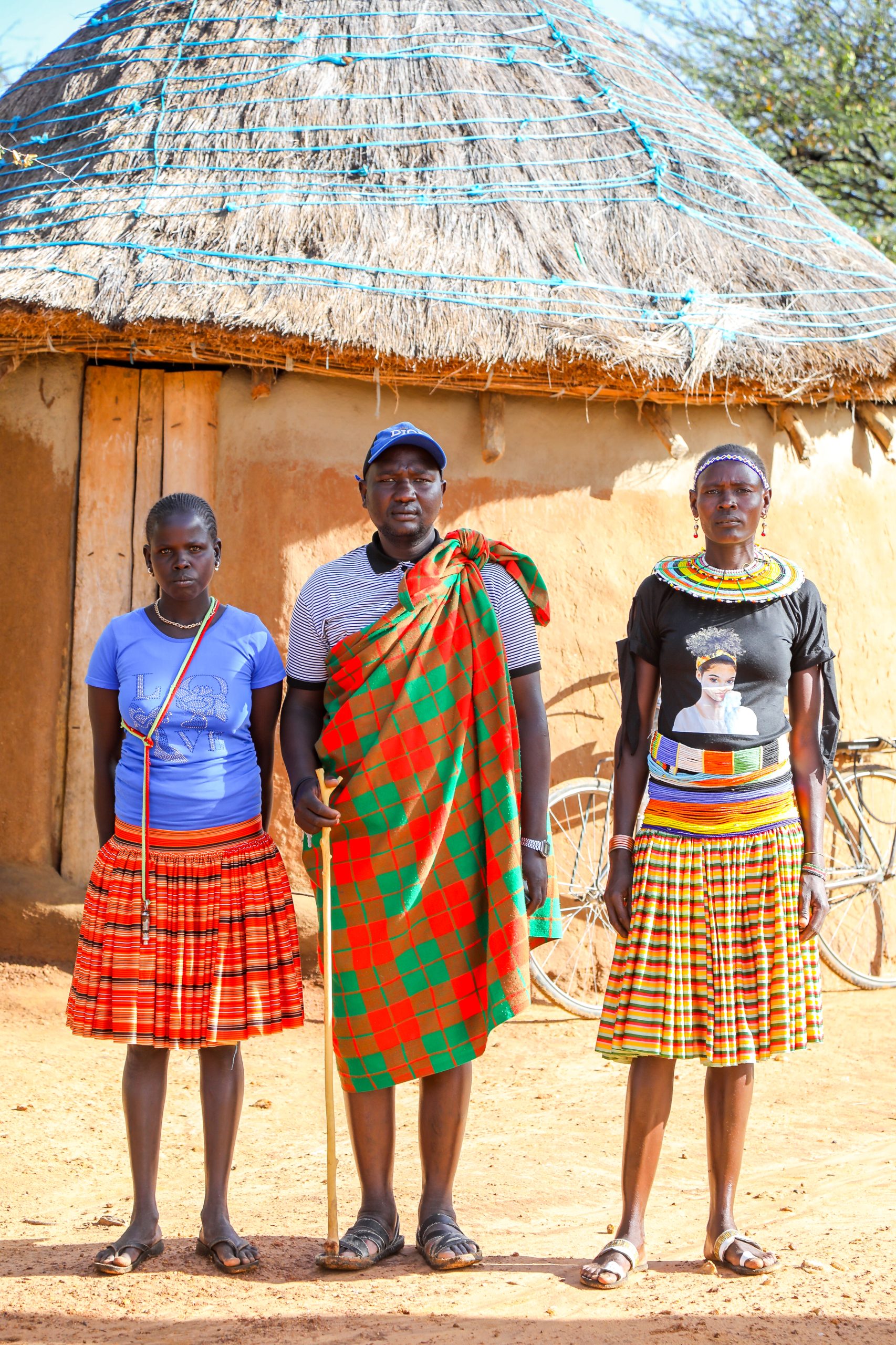
In Kenya, particularly in the regions of Pokot/West Pokot and Samburu, this practice is widespread and has serious effects on the lives of affected girls and women. In these regions, girls are often subjected to FGM at a young age and married off early. Tradition views girls as property and often forces them into marriages against their will. Young girls endure excessive childbirths, and women often lack control over their reproductive rights. Additionally, women in these communities are frequently subjected to male violence. Women are viewed as tradable commodities, valued in terms of cows or sheep. Daughters are sold, further exacerbating their vulnerability. The practice of FGM leads to lifelong, extreme physical and psychological pain, especially during forced sexual intercourse and childbirth.
It is crucial to raise awareness about this harmful practice and take action to protect the affected individuals. Collaboration with local communities is essential to change these deeply rooted, violent traditions.